Kaspi.kz’s demonstration of its Kasper AI assistant to Kazakhstan’s prime minister is more than a photo-op: it is an early look at how consumer-facing artificial intelligence can turn from a novelty into a daily utility, and that matters for a company trying to deepen its moat in one of the world’s more unusual superapp markets.
Kaspi.kz shows Kasper AI shopping assistant
What makes this important is not the chat itself, but the business model underneath it. Kasper helped compare smart rings, check iPhone compatibility and explain sizing in plain language — exactly the kind of low-friction, high-frequency shopping support that can lift conversion rates, strengthen customer loyalty and keep users inside the Kaspi ecosystem longer. For investors, that is the real prize: AI that reduces shopping friction can improve engagement without needing the kind of massive capital spending that has weighed on many big tech names.
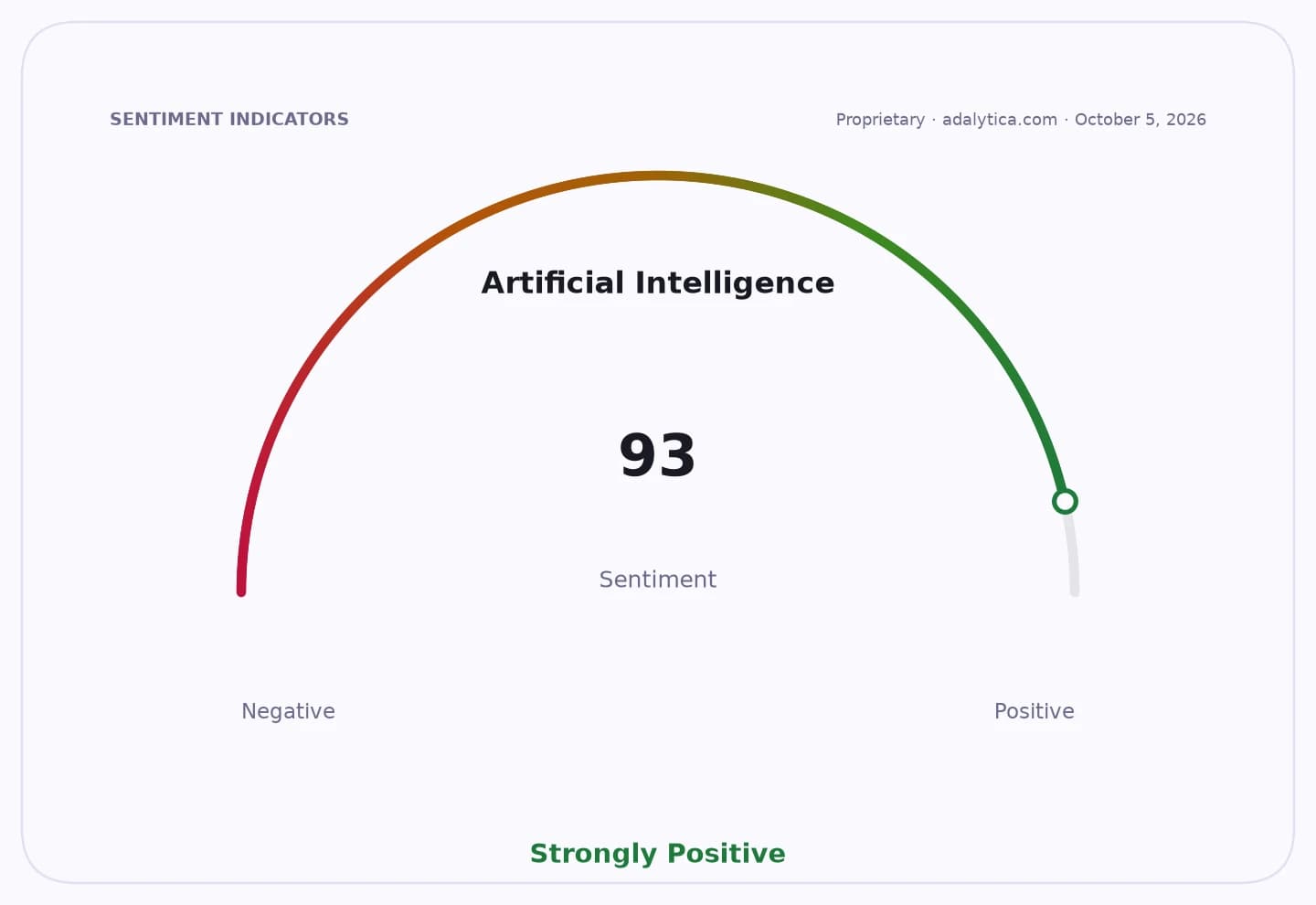
Sentiment IndicatorsⓘProprietary · adalytica.com · October 5, 2026
This is a snapshot — live sentiment, awareness and momentum for 130+ markets update continuously in the dashboard.Open AlphaPulse
Lomtadze said Kasper is a homegrown product built in Kazakhstan and can operate in Kazakh, Russian, English and Turkish. That multilingual reach matters in a region where consumers often move between languages and where practical AI tools may gain traction faster than flashy general-purpose chatbots. Kaspi said about 1 million people have already used the assistant since launch, and Lomtadze’s emphasis on repeat use is telling. In consumer internet, habit is often more valuable than hype.
The broader narrative here is that AI adoption is shifting from productivity demos to commerce. OpenAI and others are pushing agent-style assistants that work in the background, while Kaspi is showing a version tailored to shopping. Those are different businesses, but the same investor theme runs through both: the winners will be the companies that make AI useful enough to change behavior, not just impressive enough to generate headlines.
For Kaspi, that creates a potentially powerful extension of its superapp model, which already bundles payments, commerce and services into one daily destination. If Kasper helps users find products faster and with more confidence, it can reinforce the network effects that have made the platform sticky. For competitors, the challenge is obvious: generic search and marketplace browsing become less defensible when an assistant can do the comparison work for the customer.
There are still limits. AI assistants can be inconsistent, and consumer trust will depend on whether recommendations feel genuinely useful rather than promotional. But the strategic direction is clear: Kaspi is betting that personalized AI will become part of everyday shopping, not a standalone feature.
For long-term investors, that makes Kasper worth watching as a potential compounding lever rather than a one-off product demo. In a market increasingly crowded with AI promises, the companies that turn intelligence into repeated customer action are the ones most likely to create durable shareholder value.
| Entity | Gains | Losses |
|---|---|---|
| Kaspi.kz | ▲Higher engagement, stronger loyalty | ▼Plain search and browsing models |
| Customers | ▲Faster product selection | ▼Time spent comparing manually |
| Competitors | ▲Less room for differentiation | ▼Traffic and conversion share |