KT is positioning its new “Ieum” consortium project as a national AI distribution layer, a move that matters less for hype than for where the money will flow: into local model integration, sovereign infrastructure and AI services embedded in everyday consumer and public-sector channels.
KT Ieum consortium aims to build AI service layer
The telco on Monday outlined a plan to weave AI into public, education, financial and retail services through a single generic AI agent, creating one experience across apps, web and IPTV. That makes KT’s pitch economically significant because it shifts the AI battle from model training alone to the harder, more commercial question of who owns the last mile to users.
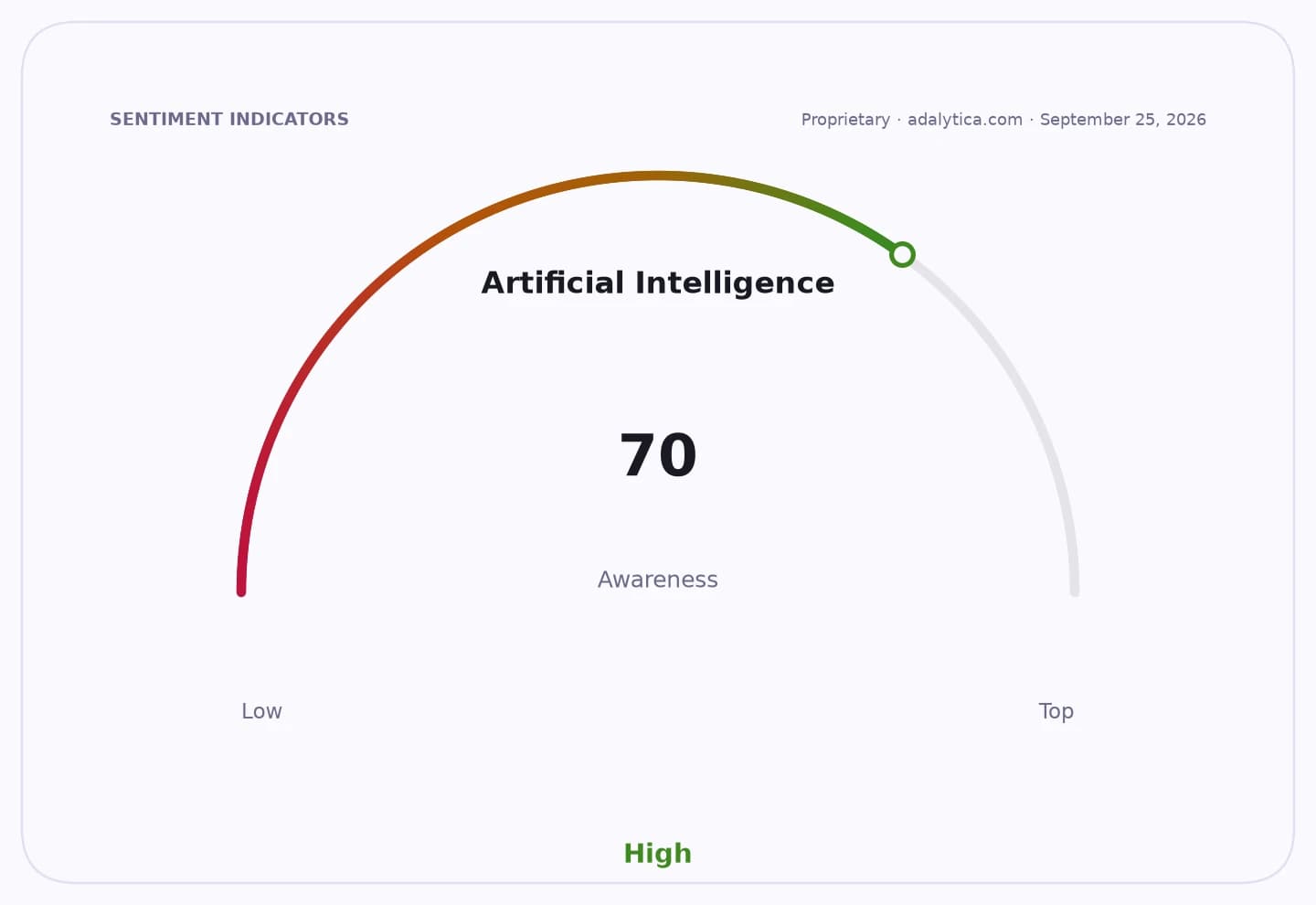
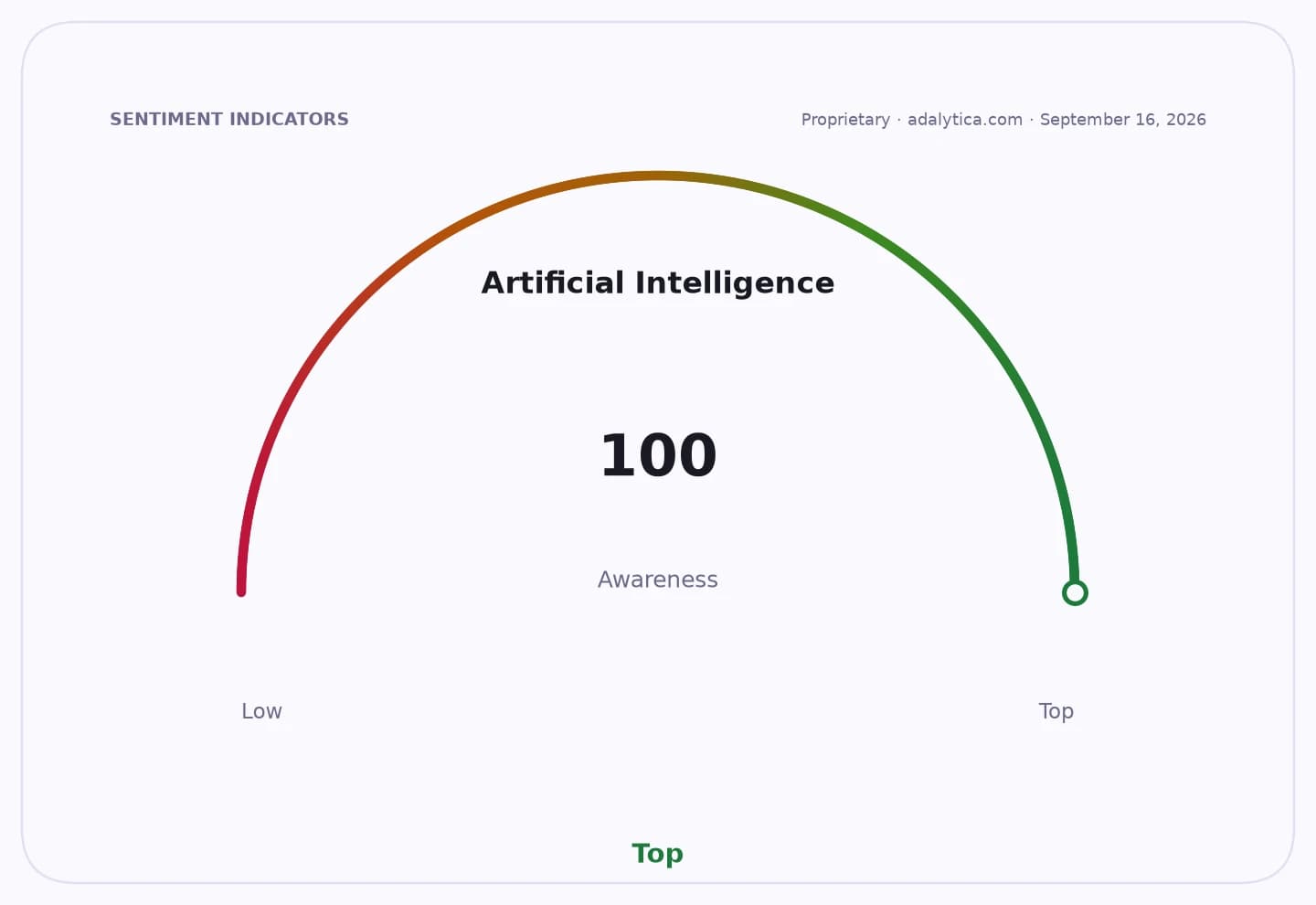
Sentiment IndicatorsⓘProprietary · adalytica.com · September 4, 2026
This is a snapshot — live sentiment, awareness and momentum for 130+ markets update continuously in the dashboard.Open AlphaPulse
KT said the consortium includes Upstage, Saltlux, Daum, Musinsa, Zigbang, EBS, Mathpresso and BC Card, among others, signaling a broad attempt to turn AI into a service layer rather than a standalone product. The company will use its “Token Factory” operating platform to run domestic models in combination, while linking in Rebellions NPU chips and infrastructure tools from Lavlab and Vessl AI.
That structure speaks to Korea’s broader industrial policy push to build an AI ecosystem less dependent on foreign cloud and model providers. If KT can make the platform work, it would create recurring demand not only for software integration but also for local inference capacity, orchestration tools and sector-specific applications. For investors, that widens the addressable market beyond telecom connectivity into enterprise AI services and public-sector contracts.
The economic case is that AI adoption is moving from headline-grabbing model releases to workflow ownership. KT’s plan to connect multiple domestic models and search-based real-time information retrieval suggests a bet that reliability, localization and compliance will matter as much as raw model size. That is especially relevant in public and financial services, where accuracy and security can determine procurement decisions.
The risk is execution. Pulling together partners with different business models, building trust around security and proving the system can deliver a better user experience than global rivals will take time. KT also has to show that its AI layer can generate meaningful revenue without simply adding cost to the network and platform stack.
For KT shareholders, the announcement is a strategic positive if it leads to higher-margin digital services and deeper customer lock-in. For competitors, it raises the stakes in Korea’s AI platform race, where telecom operators, cloud providers and model developers are all trying to control the interface between users and AI.
KT shares have been trading above their 200-day moving average, and momentum has improved in recent sessions, but the market will likely reserve judgment until beta services and commercial details emerge. The key catalyst now is whether “Ieum” becomes a procurement and usage platform with real traffic, or remains a policy-friendly demonstration of Korea’s AI ambitions.
| Entity | Gains | Losses |
|---|---|---|
| KT | ▲Platform relevance | ▼Near-term execution risk |
| Domestic AI partners | ▲Distribution and demand | ▼Dependence on KT rollout |
| Korean public-sector users | ▲Localized AI access | ▼Longer adoption timeline |
| Foreign AI/cloud rivals | ▲None | ▼Potential share loss in Korea |