Kazakhstan is trying again to turn coal into a higher-value industrial feedstock, but the real test is whether the numbers finally work. After more than a decade of memorandums, studies and road maps, the government now has a 2026-2031 plan and three large projects on the table — yet the country still has to prove that coal chemicals can compete with cheaper, more established oil-and-gas-based processing.
Kazakhstan Pushes Coal-to-Chemicals Projects
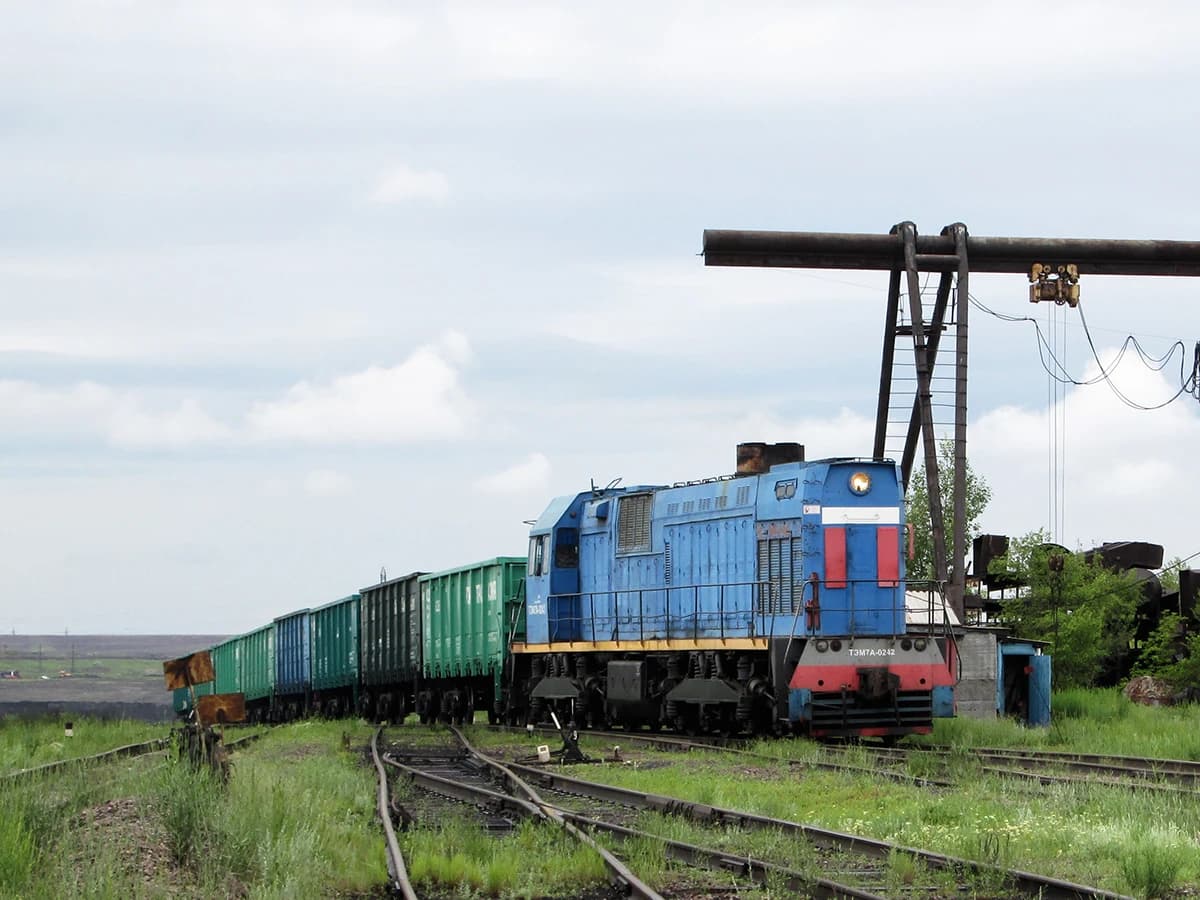
That matters because this is not just an industrial policy talking point. If Kazakhstan can build even part of a coal-to-chemicals chain, it could add jobs, deepen domestic manufacturing and squeeze more value from one of its biggest natural resources. If it cannot, the country risks repeating a familiar pattern: plenty of ambition, but no commercial-scale plants.
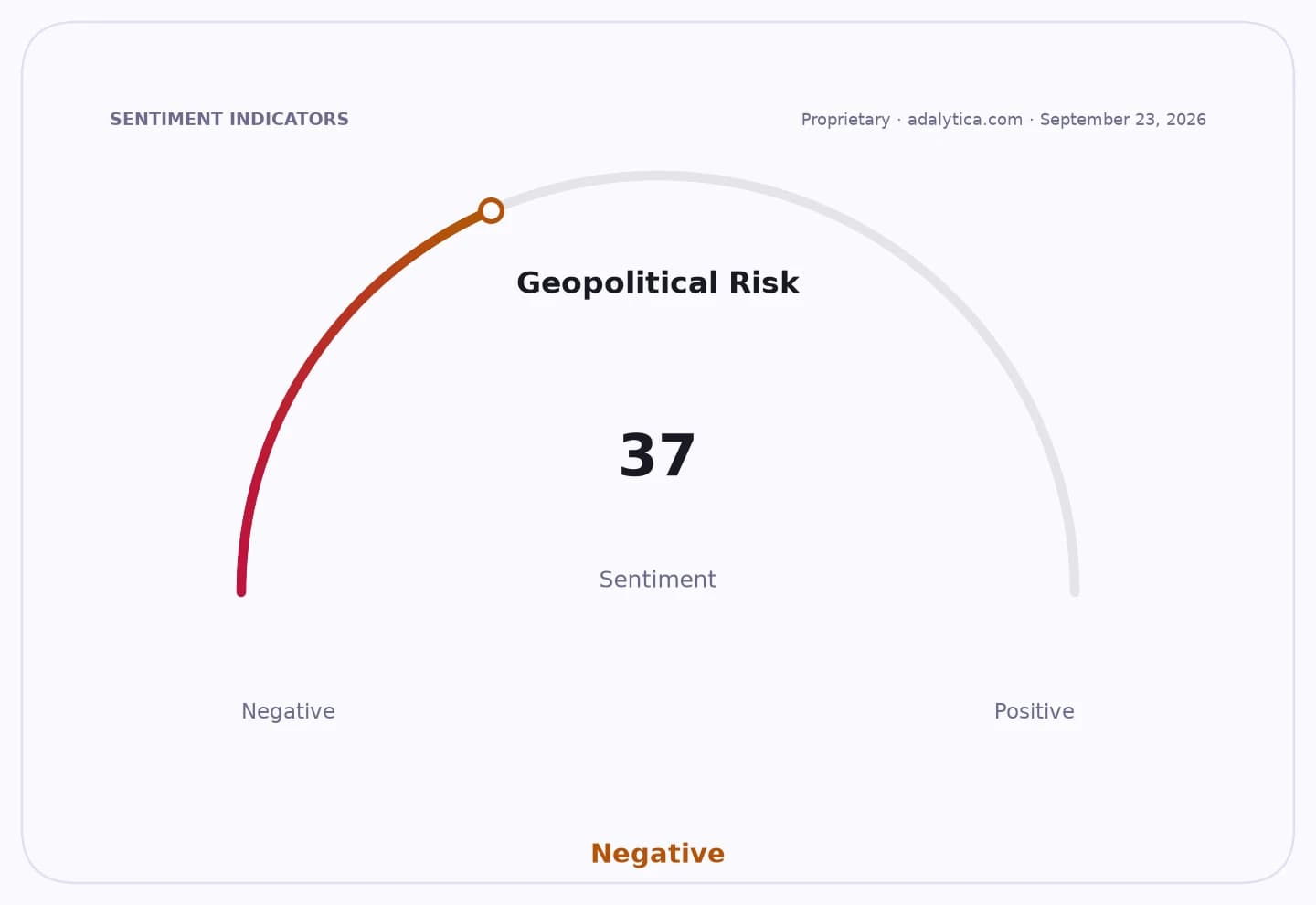
Sentiment IndicatorsⓘProprietary · adalytica.com · October 14, 2026
This is a snapshot — live sentiment, awareness and momentum for 130+ markets update continuously in the dashboard.Open AlphaPulse
The headline projects are real enough on paper. In Karaganda region, officials say a 1 million-tonne-a-year metallurgical coke plant is planned with Chinese backing, at a projected cost of 63.5 billion tenge and as many as 500 jobs. In Pavlodar, Naz Dan Group is targeting a 100,000-tonne-a-year synthetic diesel project with 63 billion tenge of investment and 1,160 jobs. Another 100,000-tonne diesel project is being readied in Karaganda, tied to anthracite development near Balkhash.
But the difference between a project list and an investable sector is huge. Coal-chemical plants are capital-intensive and technologically complex, and Kazakhstan already has domestic oil and gas that feed its chemical industry. That means coal has to beat not only imported competition, but also a homegrown alternative that is more familiar to lenders, builders and buyers.
That competitive hurdle is why previous efforts stalled. Back in 2016, industry specialists were already talking about coal as a source of more than 130 chemical intermediates and thousands of end products. In 2021, a regional memorandum and an institute outpost in Ekibastuz were supposed to help build small and medium-sized plants. None of that produced the scale the sector needs. The new road map may be more structured, but road maps do not create margins.
Investors should focus on three questions. First, whether the projects secure financing and start actual construction, not just licensing or land work. Second, whether the technology can produce fuel or chemicals at a cost competitive with oil-based substitutes. Third, whether Kazakhstan can assemble enough demand — at home or abroad — to justify the capital outlay over a multi-year buildout.
That last point is critical. Coal chemicals are often promoted as a way to reduce import dependence, especially in countries without hydrocarbon resources. Kazakhstan is different. It already has oil and gas. So the economic case for coal-based processing has to be stronger, not weaker, than in those markets. An industry study cited in the reporting said building a coal-chemical complex can cost 2.5 times more than a comparable petrochemical plant. That is the kind of gap that can stop a project before it starts.
For long-term investors, the story is less about a quick trade in coal prices than about whether Kazakhstan is edging toward a new industrial value chain. If the country can convert one or two of these plans into operating assets, it could open a niche in coke, synthetic fuels and fertilizers over the next decade. If not, coal will remain what it has mostly been: a resource with theoretical upside and limited follow-through. Worth watching, but still very much a prove-it story.
| Entity | Gains | Losses |
|---|---|---|
| Kazakhstan government | ▲industrial diversification | ▼policy credibility if projects stall |
| Project developers | ▲potential licenses and funding | ▼capital if economics disappoint |
| Oil and gas-based chemical producers | ▲relative advantage | ▼none if coal stays uneconomic |
| Investors in coal chemicals | ▲long-term upside if plants launch | ▼risk of delays and cost overruns |