Kazakhstan’s office market is shifting in a way investors should not ignore: businesses are giving up larger spaces and moving into smaller, cheaper offices even as rents keep rising. That combination matters because it shows demand is still strong, but tenants are becoming far more selective about how much space they can afford, a change that could reshape returns across commercial property over the next few years.
Kazakhstan Office Rents Rise as Tenants Shrink
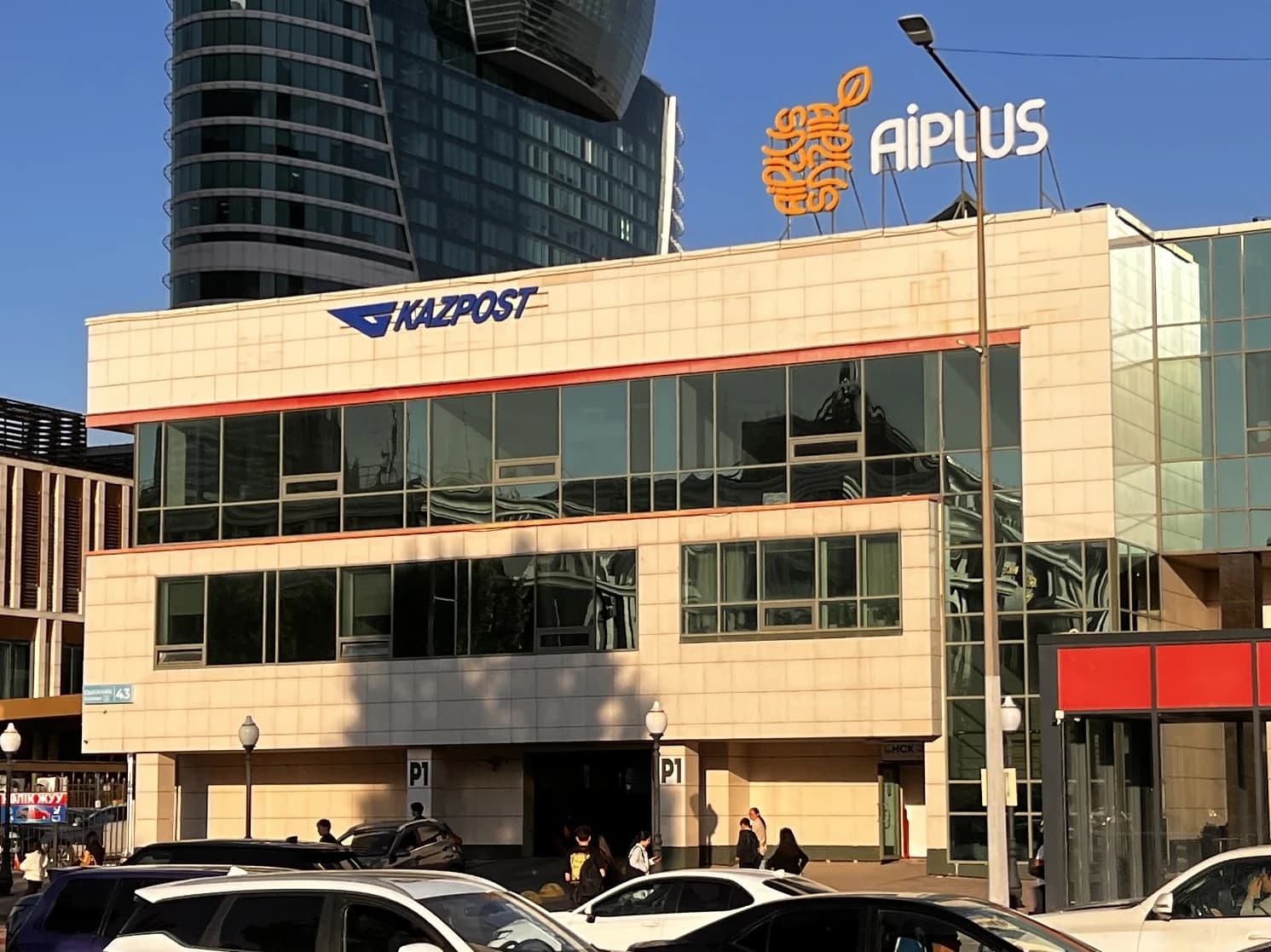
In the country’s biggest cities, office rents are still climbing at a moderate but steady pace. Average rates in Astana now run about 12,000 to 13,000 tenge per square meter, while Almaty commands 18,000 to 19,000 tenge, according to market expert Lev Tetin. He expects another 6% to 7% increase in 2026, followed by a further 5% to 6% rise in 2027, a sign that landlords are still holding pricing power despite a more cautious tenant base.
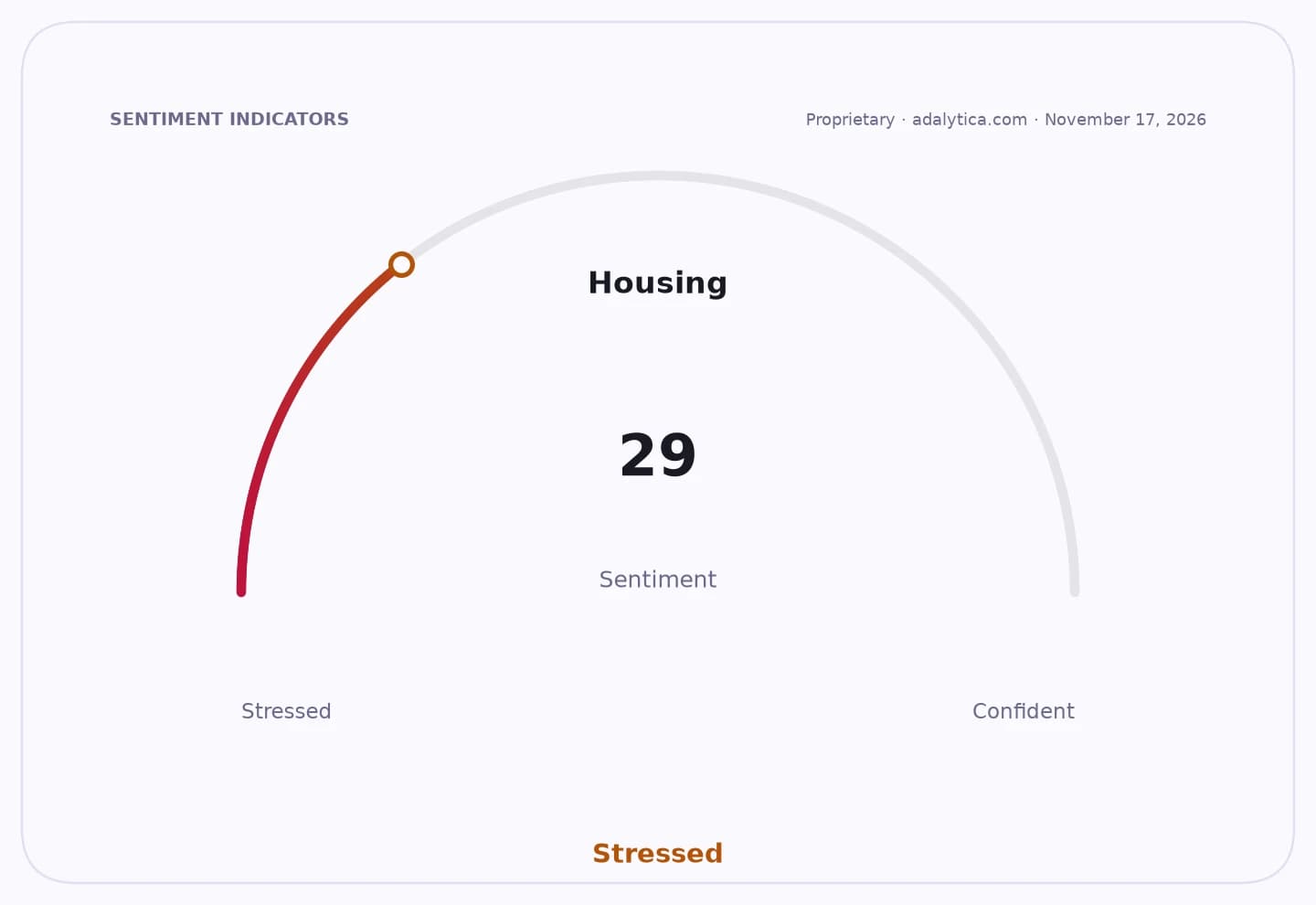
Sentiment Indicators
That pricing power is backed by tight supply in quality buildings. Occupancy in class A and B offices is running at 94% to 96%, while class C space is occupied at 82% to 85%. In other words, the market has already moved past the post-pandemic vacancy hangover and is back near pre-pandemic utilization levels. For property owners, that is a healthy backdrop. For investors, it suggests office income remains resilient even if the type of space in demand is changing.
The bigger story is that companies no longer want the same footprint they used to. Where 100 to 120 square meters once looked standard, the most sought-after offices are now 80 to 100 square meters, while serviced offices of just 10 to 20 square meters are gaining ground. The shift reflects a broader effort by small and medium-sized businesses to trim fixed costs and use remote work more efficiently. A 20-square-meter office at 15,000 tenge per square meter costs about 300,000 tenge a month, far less than the 500,000 to 600,000 tenge that a larger quality office can cost.
That change has real implications for developers and landlords. Instead of building oversized office towers, the market is likely to favor smaller business centers of 10,000 to 15,000 square meters that can fill faster and generate returns more quickly. Kazakhstan is also seeing more redevelopments, as owners convert older buildings into office space rather than build on scarce land in central districts. That kind of repurposing is often where the best long-term value emerges, especially in cities where business activity is concentrated.
For investors, the appeal is obvious. Office property in Kazakhstan is now offering estimated returns of 10% to 12% annually in tenge, versus 6% to 8% for housing, with a shorter payback period of about nine to 10 years. Lease terms of three to five years also provide more predictable cash flow than residential rentals. Some owners are even selling business centers office by office, opening the market to smaller investors who want exposure to commercial real estate without buying an entire building.
There are risks, of course. A market that is tight today can still become more fragmented if too many owners chase the same serviced-office model. And while demand for class A space remains strong, the economics of older, lower-quality properties are clearly weaker. But for long-term investors, the message is straightforward: Kazakhstan’s office market is not disappearing, it is downsizing and adapting. That kind of structural shift can be very profitable for owners who position themselves correctly and very painful for those still betting on the old large-office model. Worth watching for anyone looking at commercial real estate in emerging markets.
| Entity | Gains | Losses |
|---|---|---|
| Owners of class A/B offices | ▲Higher occupancy, firmer rents | ▼ |
| Small and medium businesses | ▲Lower overhead, flexible layouts | ▼ |
| Developers of smaller business centers | ▲Faster leasing, steadier returns | ▼ |
| Landlords of large legacy offices | ▲ | ▼Lower demand for big floorplates |