Kazakhstan homeowners trying to sell an apartment with an outstanding mortgage face the risk that a deal can unravel long before the money arrives, leaving them exposed to price changes, lost time and in some cases a penalty on the deposit.
Kazakhstan Sellers Face Mortgage Sale Delays
The core problem is not demand from buyers, but the structure of the transaction. When a bank is involved, the seller is dependent on a chain of approvals that can break at several points: the buyer may fail to secure a loan, the bank may value the apartment below the asking price, and final disbursement can take as long as two weeks. In a market where prices and the tenge can move quickly, that delay can turn a seemingly firm sale into a weaker one.
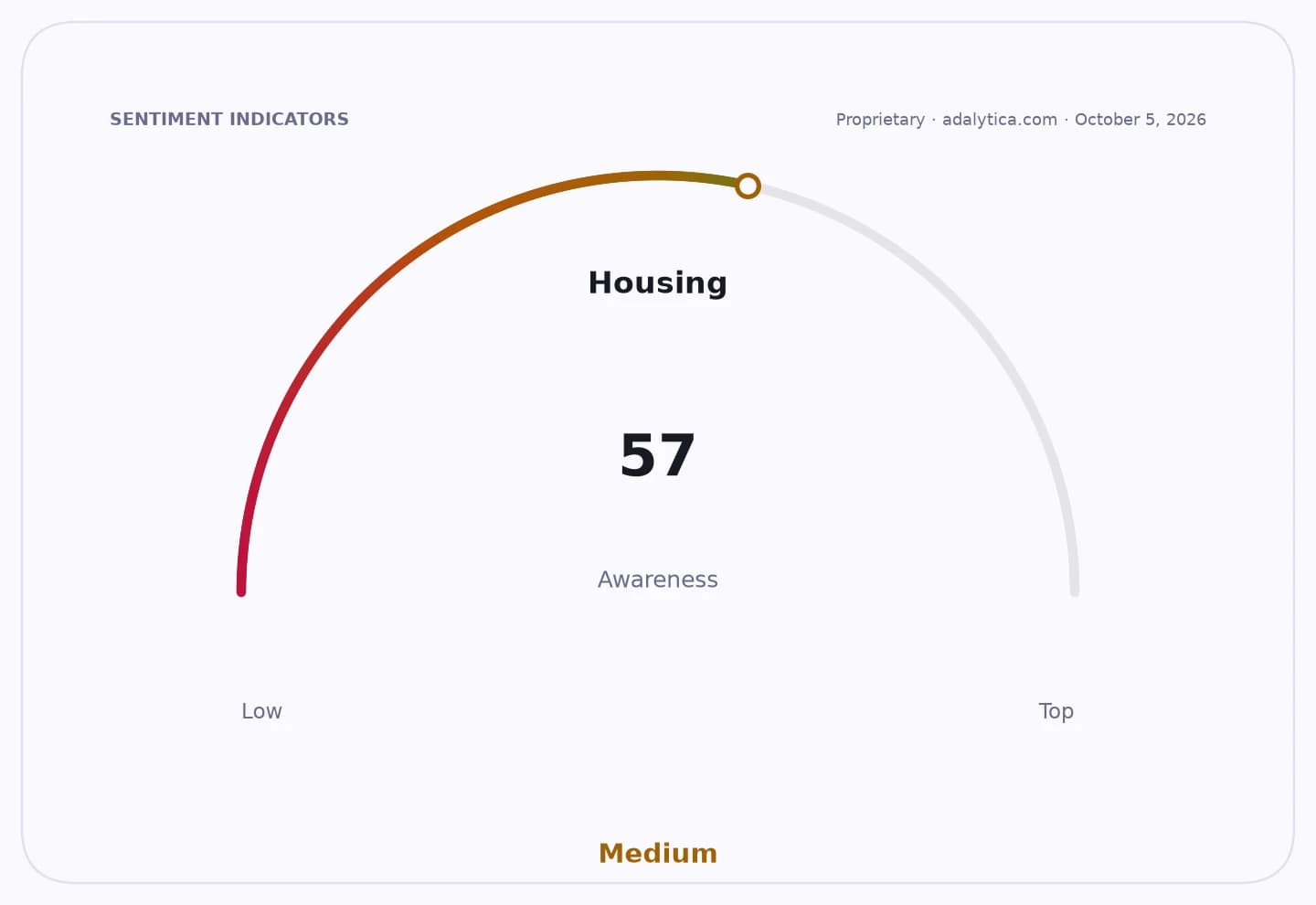
Sentiment IndicatorsⓘProprietary · adalytica.com · October 5, 2026
This is a snapshot — live sentiment, awareness and momentum for 130+ markets update continuously in the dashboard.Open AlphaPulse
For sellers, the first risk is that the buyer has not yet been approved for financing. If the bank later rejects the loan because of credit history, existing debts, insufficient income or the building’s age, the sale can fall apart after the parties have already spent time on negotiations and paperwork. The seller may recover a deposit, but the wider cost can be far higher: a missed purchase opportunity on another property and a fresh round of uncertainty in a thin market.
The second pressure point is valuation. Banks commonly assess mortgaged collateral conservatively, and if the appraisal comes in below the agreed price, the buyer may seek a discount or fail to bridge the gap with cash. That shifts bargaining power late in the process and gives the buyer room to reopen terms. For sellers who are themselves buying another home, the risk is asymmetric: a delayed or reduced sale can disrupt the next purchase and expose them to a refund obligation.
Timing is the third and most expensive hazard. According to the market backdrop cited in the source material, apartment sales in Kazakhstan remain sluggish even as construction activity stays elevated, and rental income often no longer covers mortgage payments. That makes holding costs harder to absorb while a deal is pending. The longer the process drags on, the more likely the seller is to face a change in market pricing, especially since local property values are closely tied to currency movements and mortgage conditions.
That matters economically because housing transactions are a channel through which credit, consumer balance sheets and price expectations interact. If sellers become wary of mortgage-backed deals, they may favor cash buyers or ask for higher prices to compensate for the risk. That can reduce liquidity in the secondary market and widen the gap between advertised prices and achievable prices, especially in a market already described as unstable.
For investors, the implications are broader than one-off transaction risk. Banks benefit from mortgage origination, but they also set the pace of the deal through underwriting and collateral valuation. Buyers gain access to leverage, yet sellers bear the operational and timing burden. In a market where IYR, a U.S. real estate ETF, has fallen back below both its 50-day and 200-day moving averages and where technical readings such as RSI have weakened sharply, the message is consistent across geographies: higher financing friction tends to weigh on housing-market liquidity and sentiment.
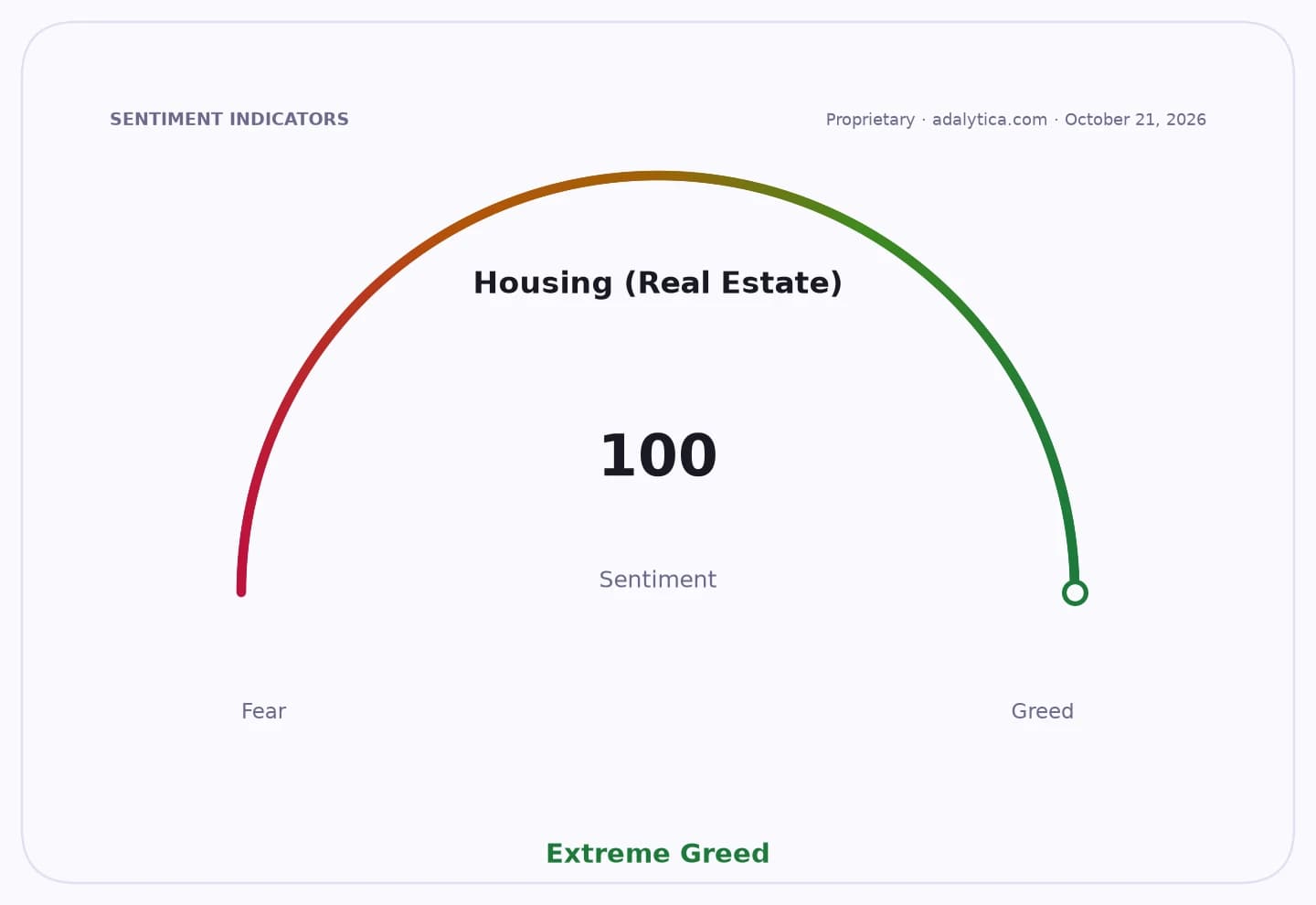
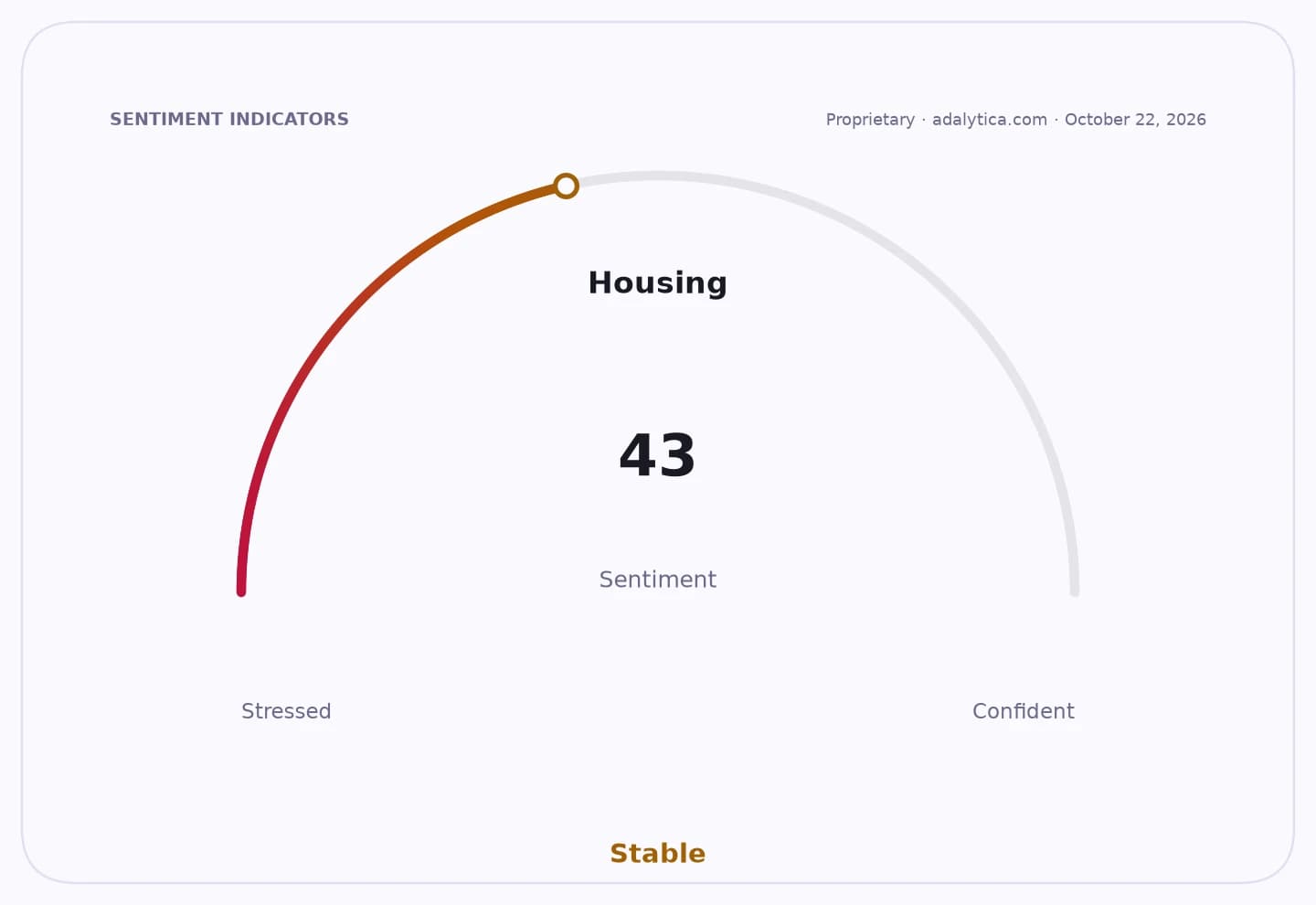
Adalytica’s housing-and-rent inflation sentiment gauge also points to a crowded and uneasy backdrop, with the latest snapshot showing “Greed” and a sharp one-day jump in sentiment. That kind of whipsaw usually reflects a market trying to price in conflicting signals — sticky housing costs, slower sales and financing stress — rather than a clean trend.
For Kazakhstan sellers, the practical takeaway is that a mortgage-backed sale is not just a price negotiation but a timing and credit-risk exercise. Unless the buyer is already approved and the bank’s valuation is close to the asking price, the seller may be better off waiting for cash, demanding a larger deposit or building a margin of safety into the sale price. The likely result in coming months is a more selective market, where financed purchases remain possible but carry more risk for the side with the least control: the seller.
| Entity | Gains | Losses |
|---|---|---|
| Cash buyers | ▲Faster closings | ▼Less leverage on price |
| Mortgage buyers | ▲Access to financing | ▼Stricter bank scrutiny |
| Sellers of mortgaged apartments | ▲Potential access to more buyers | ▼Delays, appraisal gaps, deposit risk |
| Banks | ▲More secured lending volume | ▼Higher process friction risk |