A property-law warning from Turkey underscores a costly mistake for buyers: paying off a mortgaged home before the bank’s lien is formally removed can leave them with little more than a claim in court if the seller defaults, a creditor moves in or the transaction collapses.
Turkey mortgage lien warning for home buyers
The issue matters because in a strained housing market, timing and settlement mechanics can be as important as the price. When borrowers and buyers are under pressure to close quickly, they may accept promises that “the debt will be cleared” and hand over cash to the seller or an agent. But if the lien is not discharged and the title transfer is not completed at the same time, the buyer can end up funding a property that is still legally encumbered — and facing a protracted fight to recover the money.
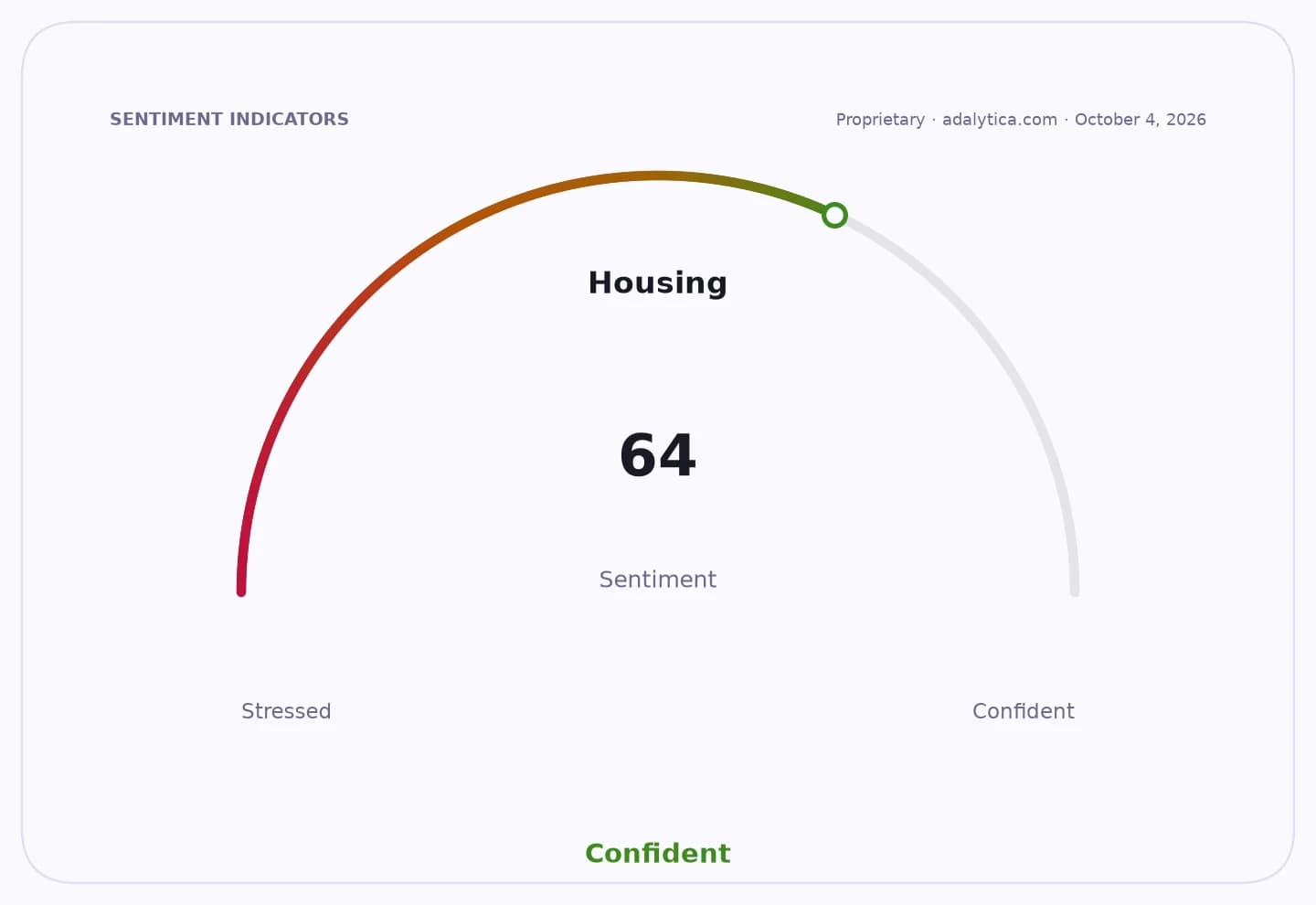
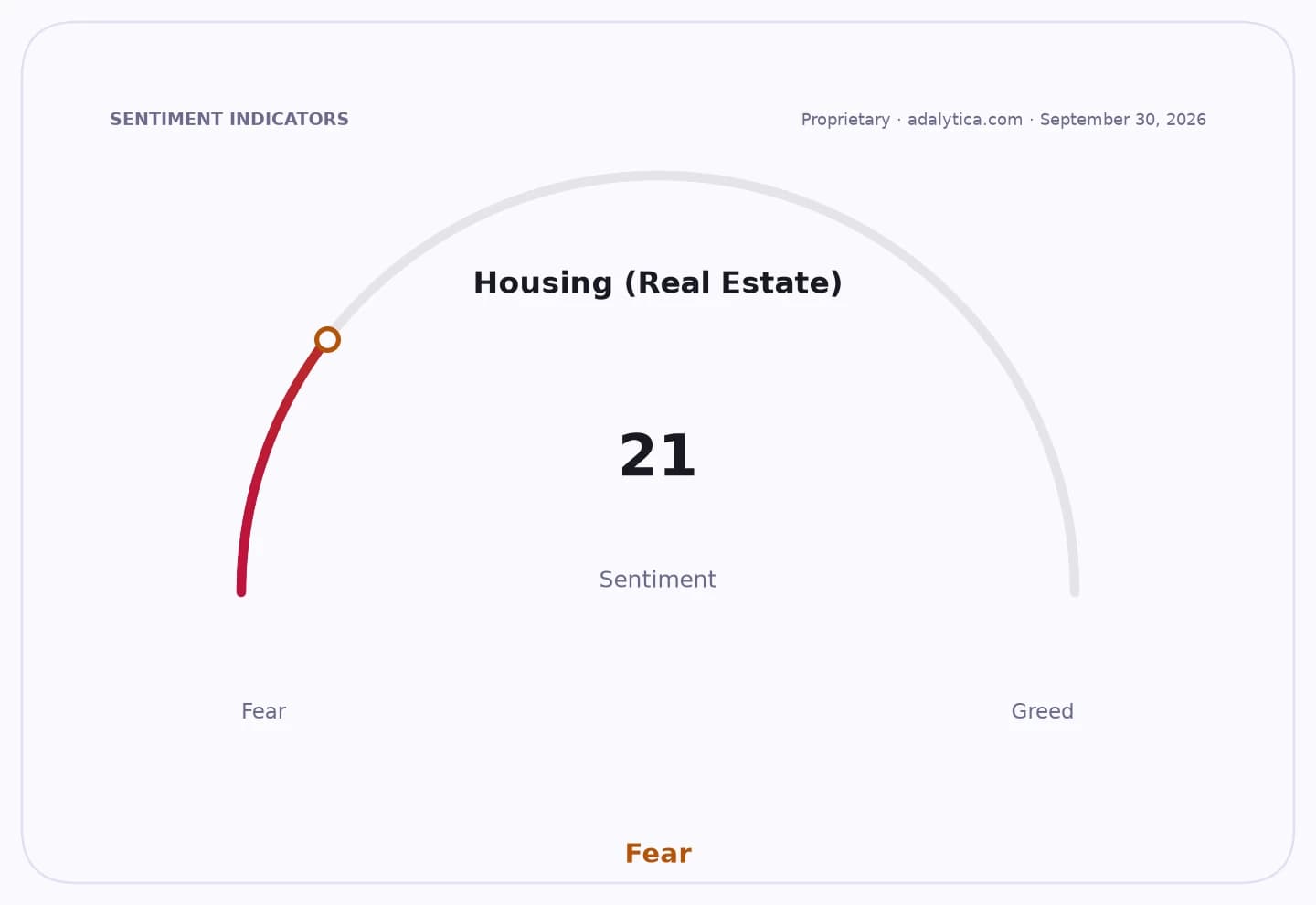
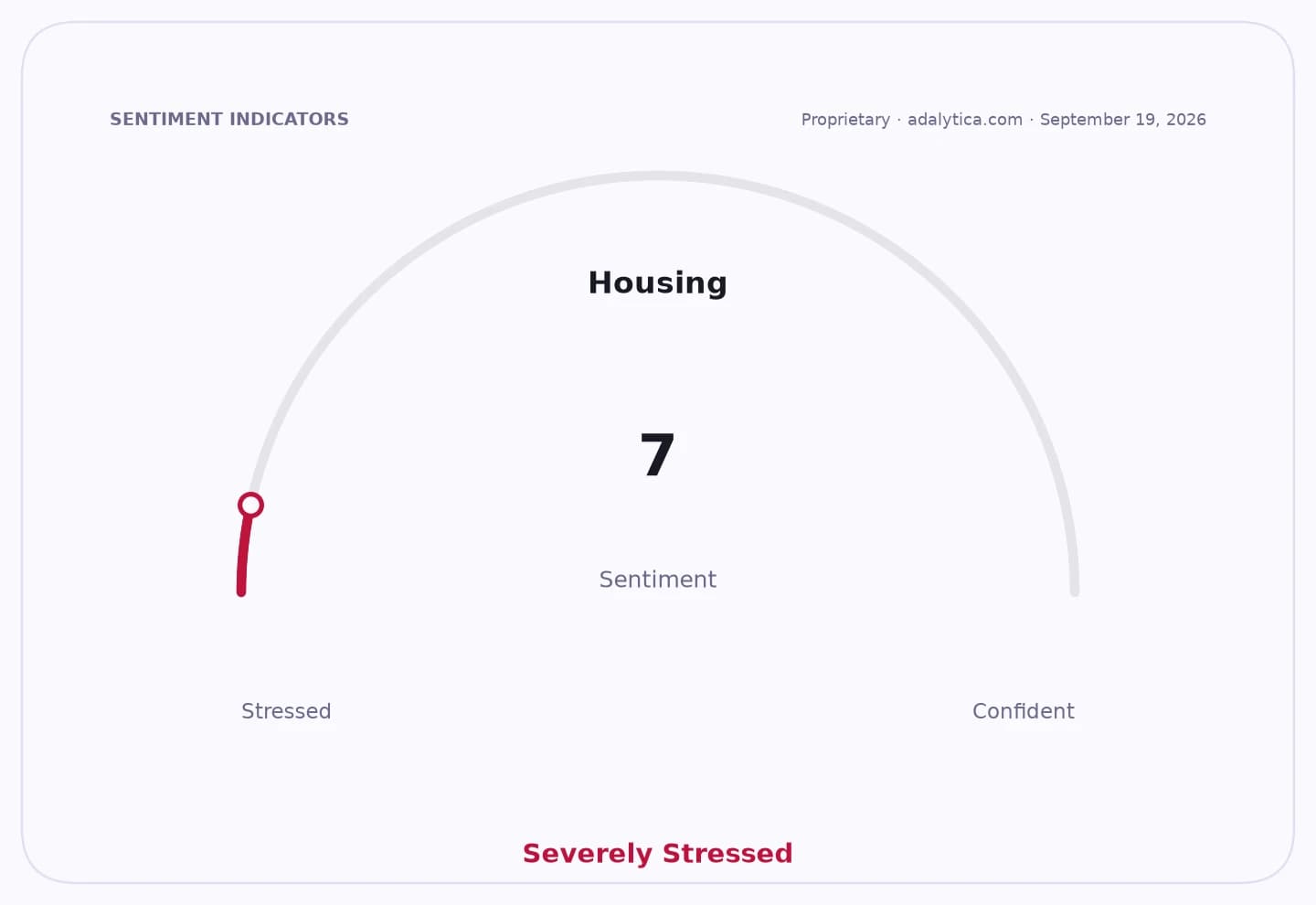
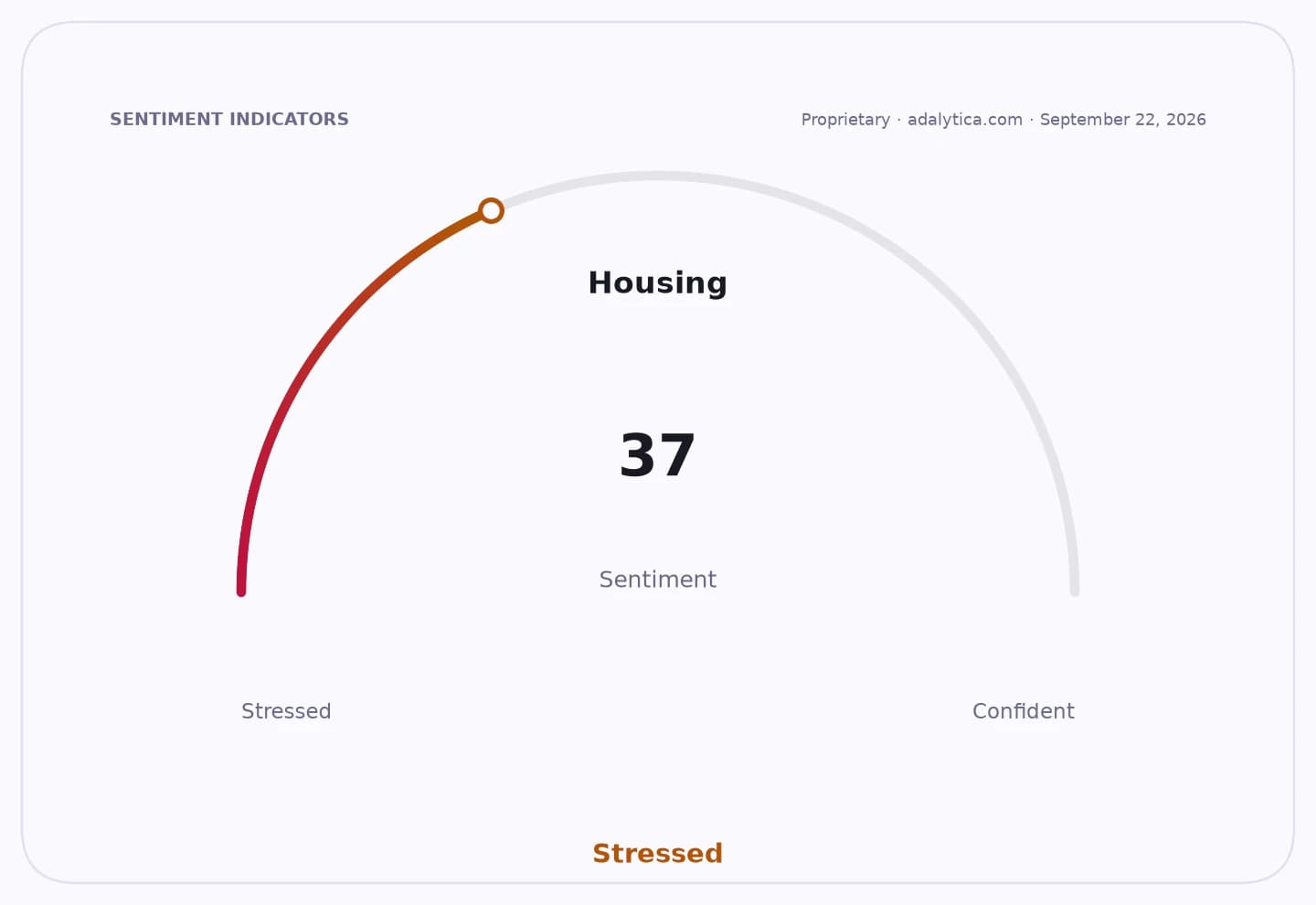
Sentiment IndicatorsⓘProprietary · adalytica.com · October 4, 2026
This is a snapshot — live sentiment, awareness and momentum for 130+ markets update continuously in the dashboard.Open AlphaPulse
Murat Tezcan, a real-estate lawyer cited in Türkiye, said many disputes follow the same pattern: the buyer pays up front after being told the mortgage will be closed, only for the seller to back out or for enforcement action to emerge later. In that case, the buyer’s remedy may be a lawsuit that can take years, with no guarantee of a fast recovery.
Tezcan also warned that bank mortgages are often structured as “limit mortgages,” meaning they may secure other obligations beyond the home loan itself, including credit-card or business debt owed by the seller to the same bank. That means repaying the apparent mortgage balance may still not be enough to force the bank to release the lien.
The practical fix is straightforward but often ignored: obtain the bank’s written payoff amount, pay the bank directly rather than the seller or broker, and complete the lien release and title transfer on the same day if possible. Turkey’s safe-payment system, Tezcan said, can also help by keeping funds blocked until the title passes to the buyer. Assumption of debt is only valid with the bank’s approval; private side agreements do not bind the lender and do not remove the mortgage from the property.
For home buyers, the lesson is that a mortgaged property is not simply a financing issue but a legal-risk issue. For banks and brokers, the warning raises the stakes on transaction discipline and disclosure. For the broader housing market, it is another sign that affordability stress and transactional haste can create hidden losses even when prices are not moving violently.
That risk matters most when credit is tight and buyers are stretched. In those conditions, any shortcut in settlement can turn into a balance-sheet problem for households, a legal headache for lenders and a reputation issue for the intermediaries involved.
| Entity | Gains | Losses |
|---|---|---|
| Buyers using safe-payment systems | ▲Payment protection | ▼Settlement risk |
| Banks holding liens | ▲Stronger control | ▼Faster closings |
| Sellers seeking upfront cash | ▲Quicker transactions | ▼Liability if deal fails |
| Brokers/agents relying on shortcuts | ▲Fewer disputes if compliant | ▼Legal exposure if misled |