Turkey is preparing to tighten its online housing market rules by limiting each property sale to a single authorised real estate agent, a move that could reshape how homes are marketed, priced and transacted across the country.
Turkey limits property sales to one authorised agent
The planned change builds on the government’s Electronic Advertisement Verification System, or EİDS, which has already made seller identity checks mandatory for rental listings and, from Feb. 15, for homes for sale. Under the next phase, property owners will still need to authorise agents through e-Devlet, but the new authorization contract will also be uploaded to the system, and listings will be removed as soon as that mandate is cancelled.
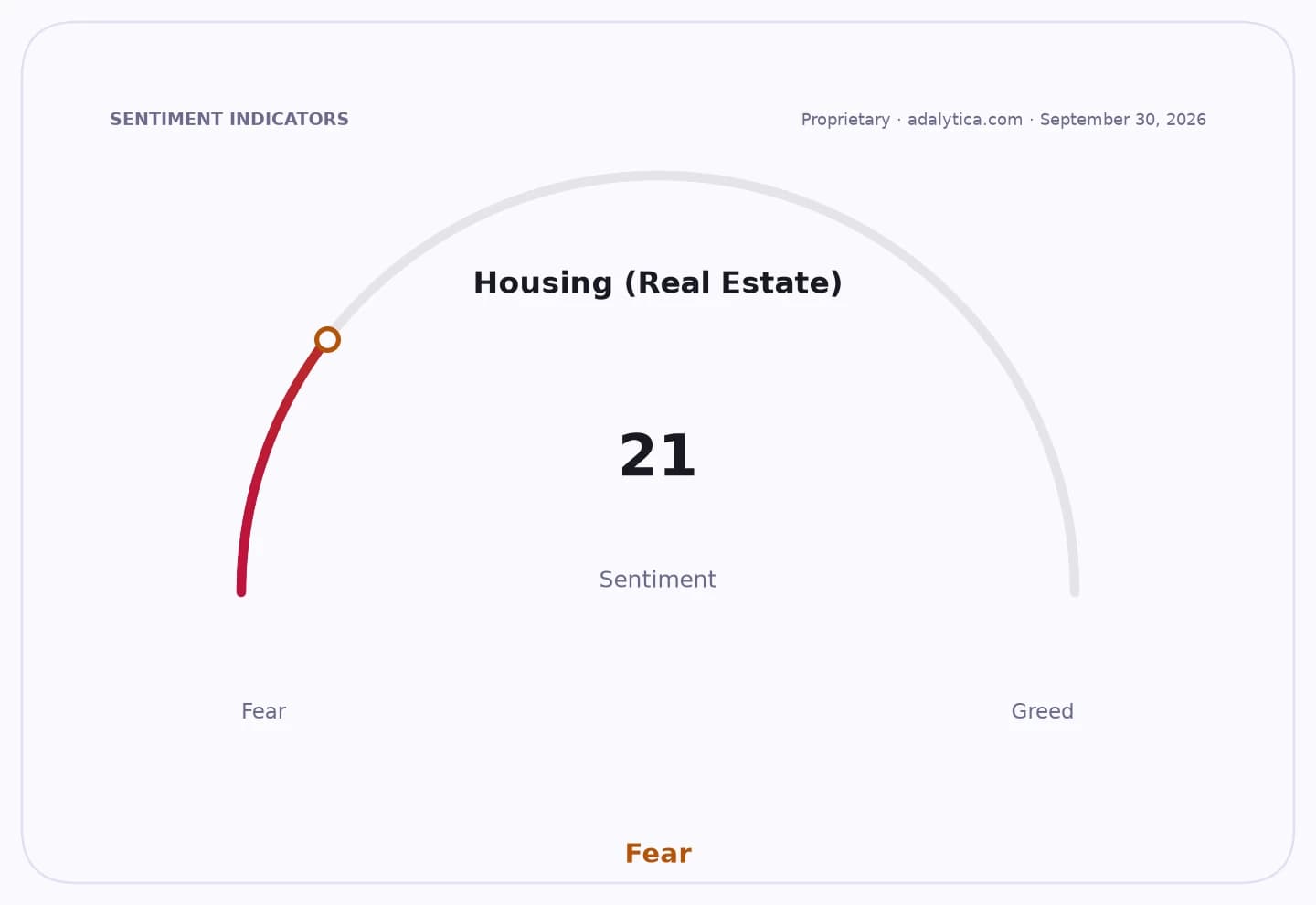
Sentiment IndicatorsⓘProprietary · adalytica.com · September 30, 2026
This is a snapshot — live sentiment, awareness and momentum for 130+ markets update continuously in the dashboard.Open AlphaPulse
The most economically important part of the reform is not administrative paperwork but the restriction of multiple representation. Today, a home can be handed to more than one agent; under the new rules, only one broker would be allowed to market and sell it. That should reduce duplicate listings, make pricing more transparent and limit the kind of speculative price escalation that has long distorted Türkiye’s residential market. It also strengthens the state’s ability to trace which agent controls a listing and whether a property is being marketed by its true owner or close relatives.
For consumers, the change could mean fewer fake or stale listings and less confusion over who actually has the right to sell a property. For agents, it raises the stakes: the single authorised broker would gain exclusivity, but everyone else could lose access to inventory. That may squeeze smaller brokers while rewarding firms with stronger owner relationships, broader digital reach and better compliance systems.
The timing matters because the market is already weak. U.S.-style mortgage-rate pressure has been weighing on housing activity globally, and Turkey’s own housing and rent data point to a fragile backdrop rather than a booming one. A stricter listing regime is unlikely to revive transaction volumes on its own, but it could improve market functioning by reducing friction and information asymmetry at a time when buyers and sellers are already cautious.
Investors in listed property platforms, broker networks and housing-related services will be watching whether the rules curb supply of online listings or simply shift transactions toward compliant intermediaries. The government is also preparing changes to secure payments in property deals, which would further formalise the sales process if implemented. The broader message is clear: Turkey is moving to bring more of its residential market under digital supervision, and that could permanently change who captures value in home sales.
| Entity | Gains | Losses |
|---|---|---|
| Homebuyers | ▲Cleaner listings | ▼Fewer choices |
| Single authorised agents | ▲Exclusive mandate | ▼Rival brokers |
| Government regulators | ▲More transparency | ▼Less informal activity |
| Smaller brokerages | ▲Niche compliance upside | ▼Lost inventory access |