A court in Kazakhstan’s Zhambyl region has approved a settlement in a more than 50 million-tenge dispute over credit used to buy tractors and trailer equipment, underscoring how even small agricultural borrowers are being pushed into restructuring mode when repayment schedules slip.
Kazakhstan court approves tractor loan settlement
The case matters because it shows how farm machinery financing, often arranged through secured loans and guarantees, can quickly turn into a broader liquidity problem when harvest cash flow or operating income falls short. In this instance, two credit agreements signed in April and July 2024 totaled 52.9 million tenge and were used to purchase two tractors and attached equipment. When the borrower missed deadlines on principal and interest, the creditor sought joint recovery of 48.8 million tenge in principal, 1.5 million tenge in interest and 148,000 tenge in penalties, or more than 50.4 million tenge in total.
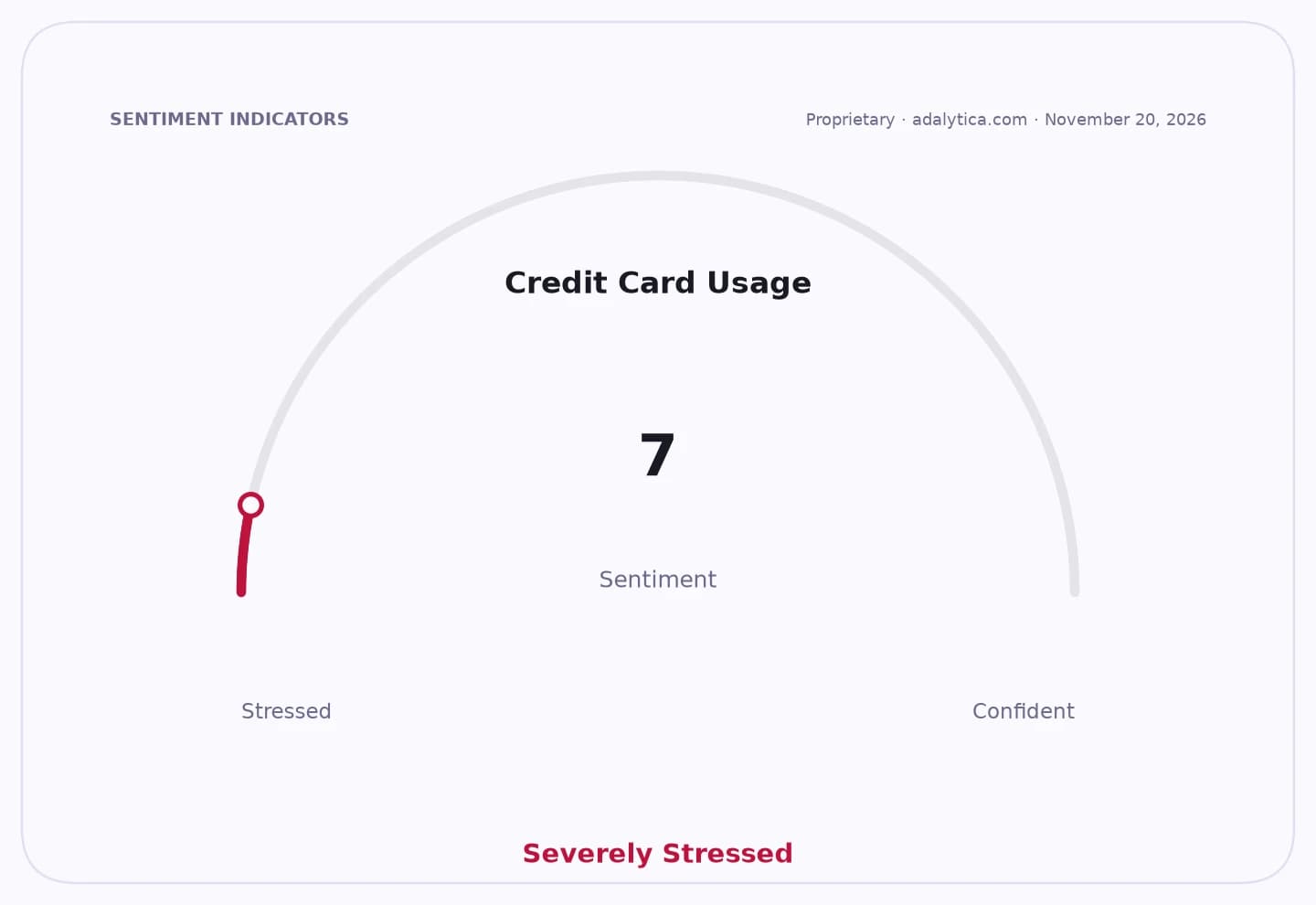
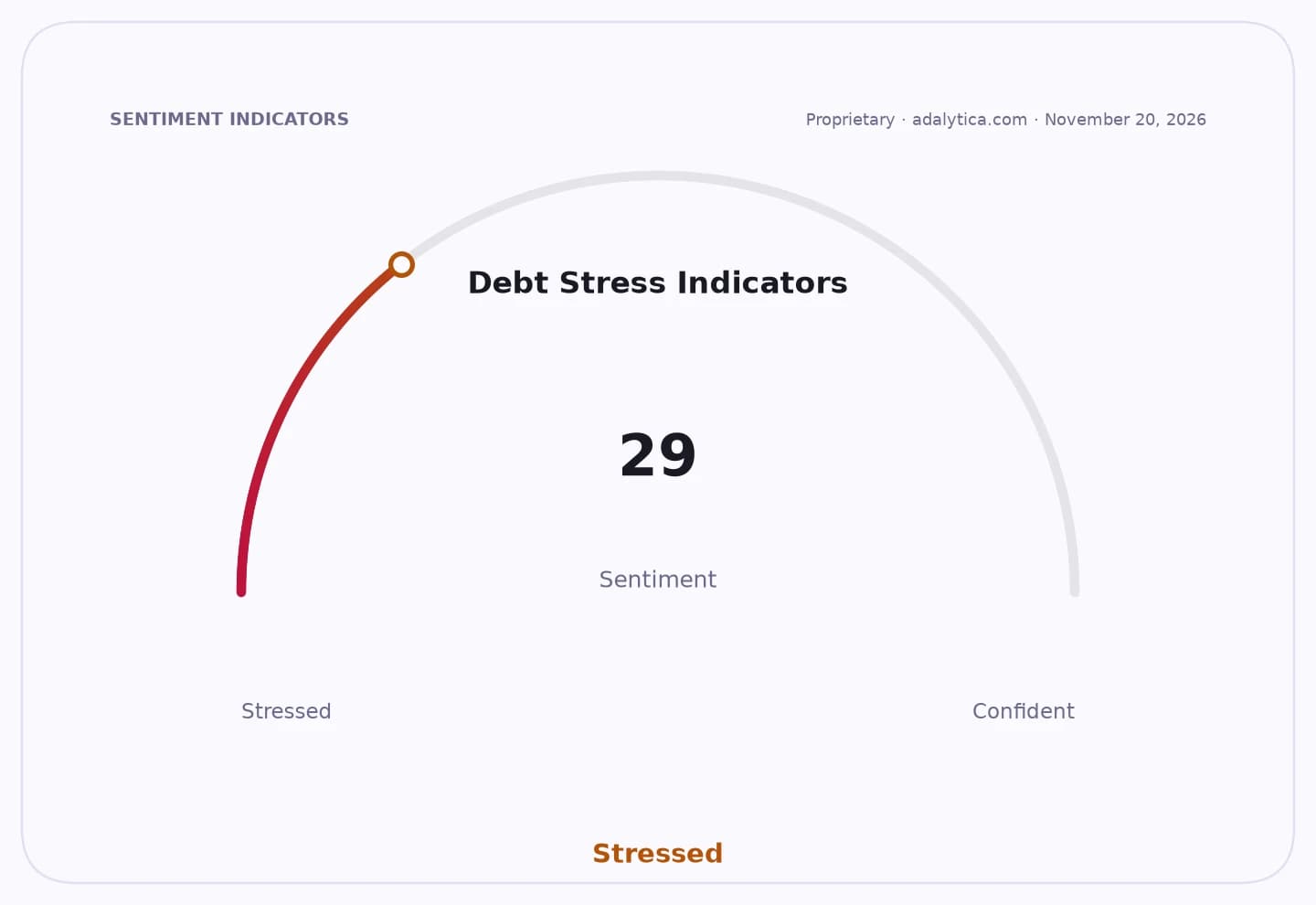
Sentiment Indicators
Instead of forcing a full enforcement process, the parties agreed to settle after the court applied conciliation procedures. The defendants had already paid 6.8 million tenge and committed to continue repaying under the original loan schedule. The agreement also preserved the lender’s leverage: if payments are missed again, the borrowers must pay penalties and may have to repay the loan early, along with accrued interest.
For lenders, the settlement reduces near-term legal costs and improves the odds of recovery versus a drawn-out enforcement case. For borrowers, it buys time and keeps the tractors in productive use, which is critical in a sector where equipment access directly affects planting and harvesting capacity. The fact that the dispute was resolved through a court-approved compromise rather than seizure suggests both sides saw value in preserving operating continuity.
The broader backdrop is a tightening credit environment for indebted borrowers, especially in agriculture where cash flows can be seasonal and collateral is often highly specific. Debt-stress indicators tracked by Adalytica show extreme fear in household debt sentiment, reinforcing the idea that repayment pressure is building across lower-margin borrowers. At the same time, global machinery suppliers and financiers remain exposed to farm credit quality, with dealer and farm financing still an important channel for equipment sales.
For investors, the key takeaway is that credit performance in the agricultural machinery ecosystem is becoming more important than unit sales alone. Restructurings and settlements can stabilize collections, but they also signal that end-demand is being financed more heavily and may be vulnerable if farm incomes weaken further. The next catalyst to watch is whether this remains an isolated regional dispute or becomes part of a wider pattern of repayment strain among agricultural borrowers.
| Entity | Gains | Losses |
|---|---|---|
| Creditor | ▲Higher recovery odds | ▼Faster enforcement leverage |
| Borrower cooperative | ▲Keeps tractors operating | ▼Ongoing debt burden |
| Zhambyl court | ▲Case resolved without trial | ▼None materially |
| Farm machinery lenders | ▲Preserved collateral value | ▼Higher credit-risk exposure |