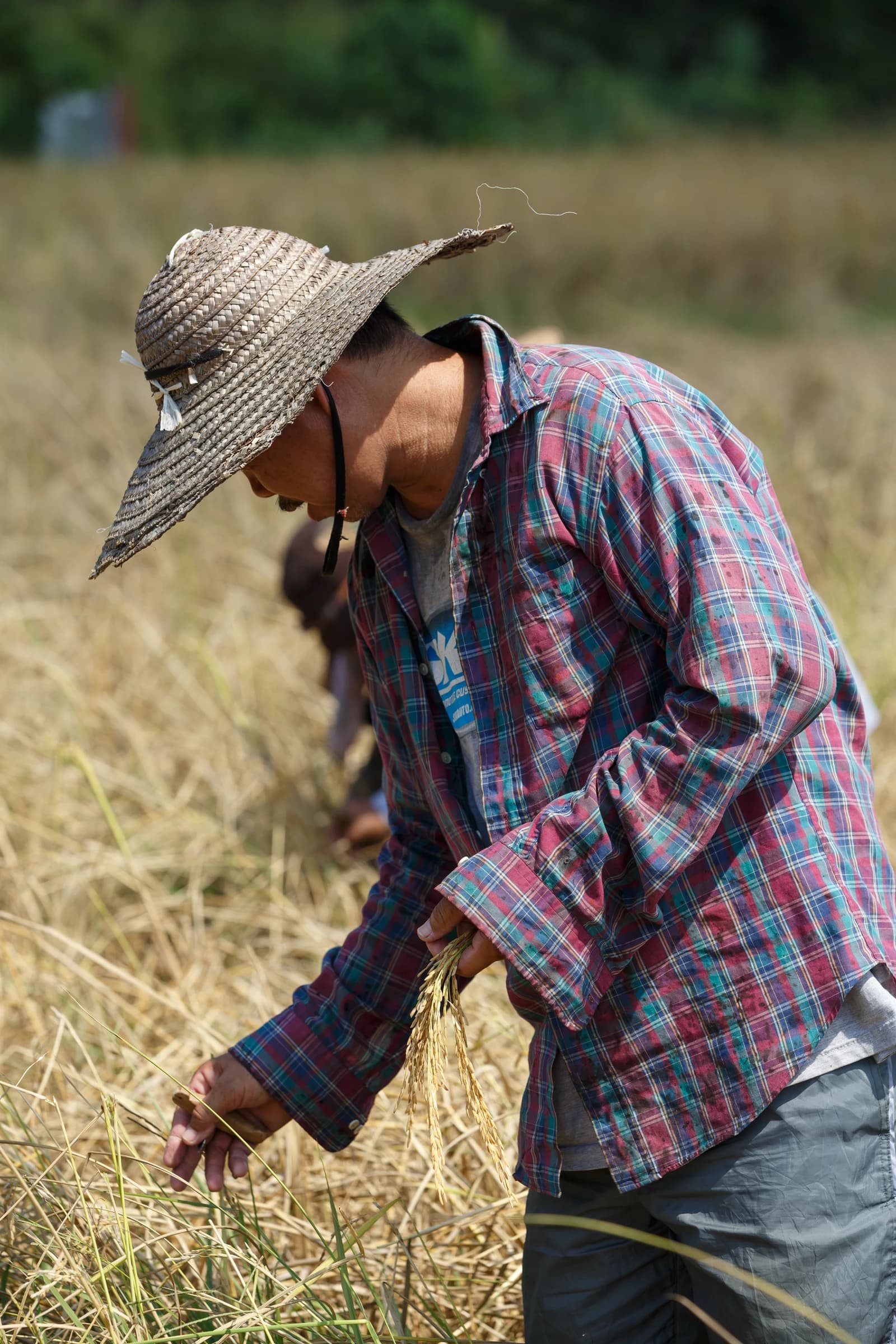
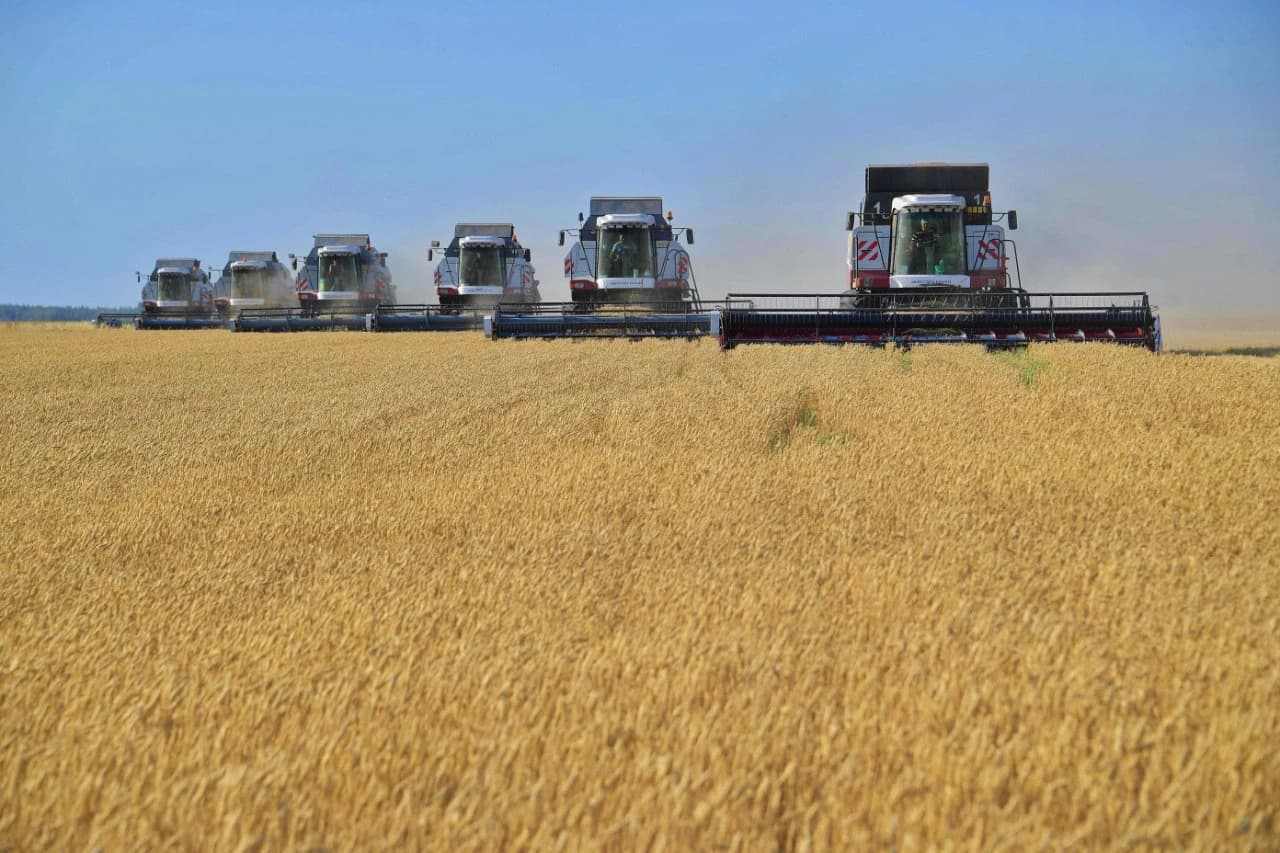
Rice harvesting has begun in Kazakhstan’s Kyzylorda region, but the bigger economic story is the government’s effort to protect a water-intensive crop in one of the country’s driest agricultural areas by expanding water-saving technologies and upgrading research capacity.
Kazakhstan boosts water-saving rice farming in Kyzylorda
The harvest launch comes as authorities try to balance production with rising pressure on water resources, a constraint that matters for food supply, farm incomes and regional land use. Kyzylorda remains Kazakhstan’s key rice belt, with 70,000 hectares planted to rice this year out of 193,700 hectares under crops in the region, but policymakers are increasingly steering farmers toward less water-hungry alternatives.
That shift is already visible in the numbers. Water-saving technologies were expanded to 14,200 hectares in 2026 from 8,100 hectares a year earlier, while laser leveling of rice paddies is also being rolled out to improve water distribution and yields. At the same time, the area planted to grain corn, a less water-intensive crop, jumped to 11,000 hectares from 2,000 hectares.
The state is backing the transition with funding for science. Of the 16.8 billion tenge allocated for agricultural research in 2026, 4.1 billion tenge was earmarked for the Kazakh Scientific Research Institute of Rice Growing, which officials want to turn into a national competence center for rice and water-saving technologies. That suggests the government sees productivity gains and lower water use not as separate goals but as the same policy imperative.
For investors and agricultural producers, the message is that Kazakhstan is trying to preserve rice output without locking in higher water costs or environmental strain. A successful roll-out of efficiency technologies could support farm margins, stabilize regional production and reduce vulnerability to drought. The bear case is that adoption may remain uneven and that water scarcity will continue to force a gradual reduction in rice acreage, limiting output growth even if yields improve.
The next test will be whether the technology push translates into better harvest economics this season and whether Kyzylorda’s rice sector can maintain competitiveness as the country diversifies cropping patterns.
| Entity | Gains | Losses |
|---|---|---|
| Kyzylorda rice farmers | ▲Better water efficiency | ▼Pressure to cut acreage |
| Kazakh rice institute | ▲More funding and relevance | ▼Must deliver practical results |
| Kazakhstan food system | ▲More resilient production | ▼Higher adaptation costs |
| Water-intensive crops | ▲Supported by technology | ▼Squeezed by diversification |