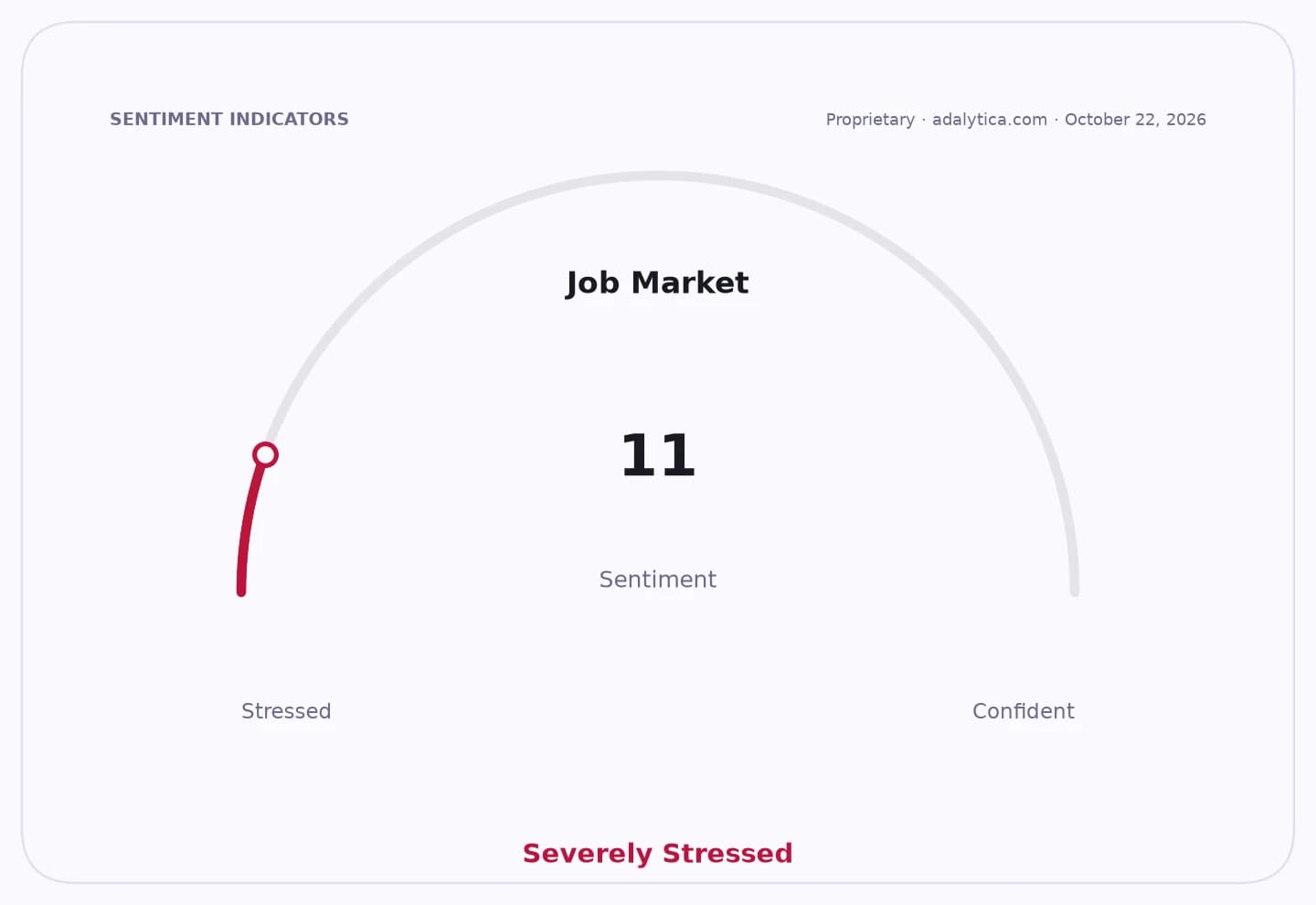
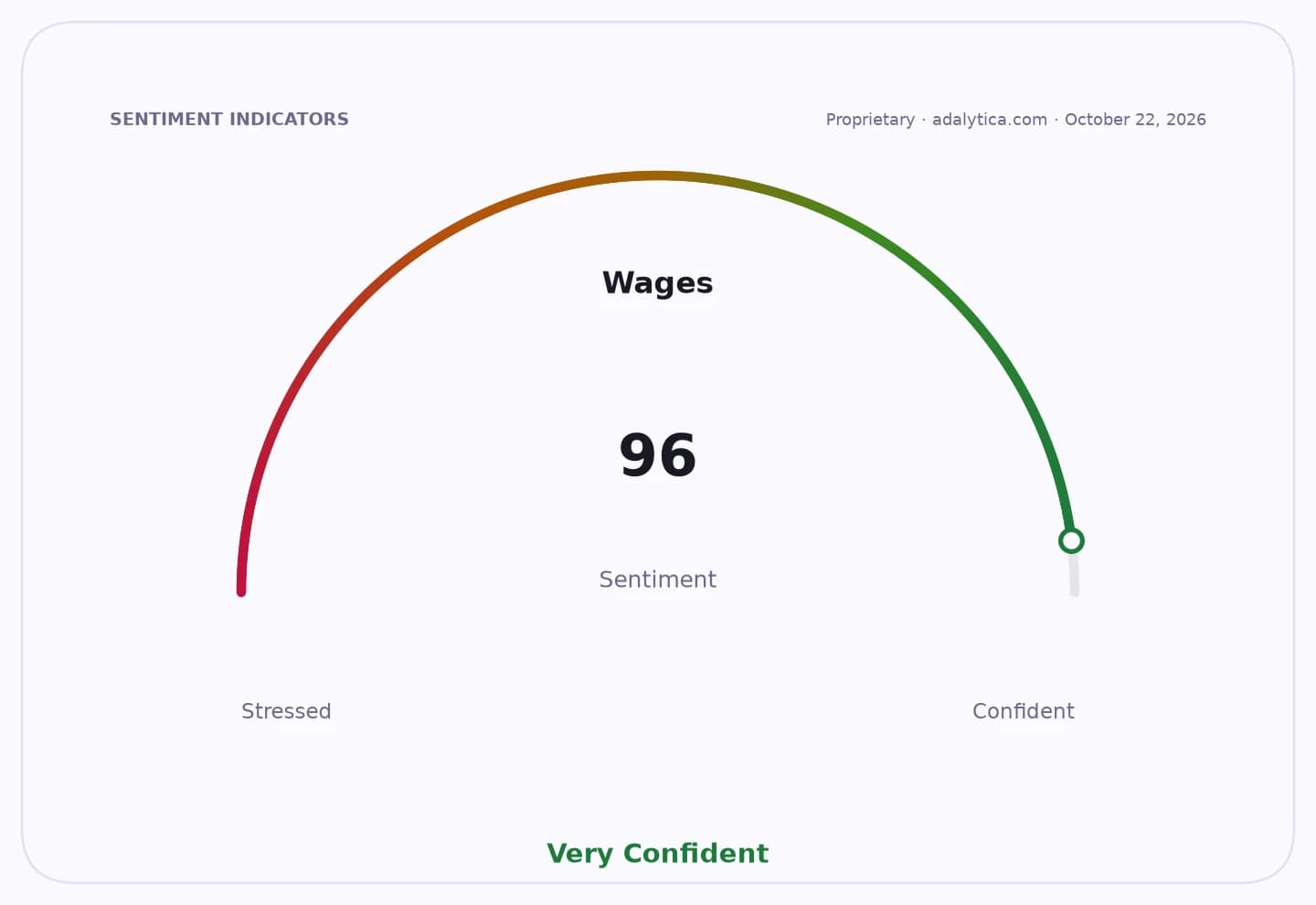
KDDI’s move to publish deliberately sketchy job definitions for about 150 hires underscores how Japanese employers are trying to win younger workers in a labor market that is tighter, more mobile and less tolerant of traditional career tracks.
KDDI Uses Flexible Job Descriptions to Hire

The telecoms group’s so-called “picture book” approach — a softer, less prescriptive description of roles — matters because it speaks to a broader battle for talent, especially among Gen Z candidates who increasingly value flexibility, skills and career optionality over lifetime loyalty to one company. For corporates, that can mean higher hiring success and lower early attrition. For investors, it is a sign that human capital strategy is becoming a more material part of competitiveness in sectors facing slow growth and rising wage pressure.

The story is not just about recruitment style. Japanese companies have been under pressure to modernize personnel systems as labor shortages deepen and younger workers resist rigid job ladders. A looser job definition can widen the candidate pool, attract applicants from outside traditional pipelines and help companies identify people with adaptable capabilities rather than narrow credentials. That is particularly relevant for groups like KDDI, where digital transformation, customer service and new business development all depend on workers who can move across functions.
The approach also reflects a shift in how employers are trying to present careers to a generation that often practices “career cushioning” — keeping options open rather than committing early to one firm. The appeal of clearer growth paths, skills development and entrepreneurial exposure has become part of the recruitment pitch. The risk for employers is that more flexible hiring models can still fail if pay, training and internal mobility do not match the promise.
For KDDI, the initiative may help refresh its employer brand and support longer-term workforce renewal. For the wider market, it is another sign that competition for talent in Japan is increasingly being fought on culture and mobility as much as on compensation. The companies that adapt fastest are likely to have an edge in productivity and innovation; those that do not may find hiring costs rising and retention weakening.
| Entity | Gains | Losses |
|---|---|---|
| KDDI | ▲Wider talent pool | ▼Rigid recruiters |
| Young jobseekers | ▲More flexible career entry | ▼Traditional job ladders |
| Japanese employers | ▲Better hiring appeal | ▼Companies slow to adapt |
| Investors | ▲Stronger labor strategy visibility | ▼Firms facing retention risk |