Former LINE Yahoo chairman Kenta Kavanabe is betting that artificial intelligence can take over much of the work he used to do himself, turning his personal break from one of Japan’s biggest internet groups into a real-time experiment in how companies and workers adjust to generative AI.
Kenta Kavanabe tests AI work shifts in Japan
Artificial Intelligence
Kavanabe, 51, quit as chairman of LINE Yahoo in June and is now traveling Japan in a used camper van, meeting people and rethinking how business should be done when “employees” can include AI. His new project is less a startup in the traditional sense than a test case for corporate Japan: assign routine tasks to machines, keep humans on the work that requires judgment, and see what changes.
Sentiment Indicators
That message has immediate relevance for investors because it speaks to the next phase of AI spending: not just building models, but reorganizing labor, management and productivity around them. Kavanabe is telling small teams, including a pro basketball club in Kagoshima, to hand one task after another to AI and then decide whether the work really needs a person at all.
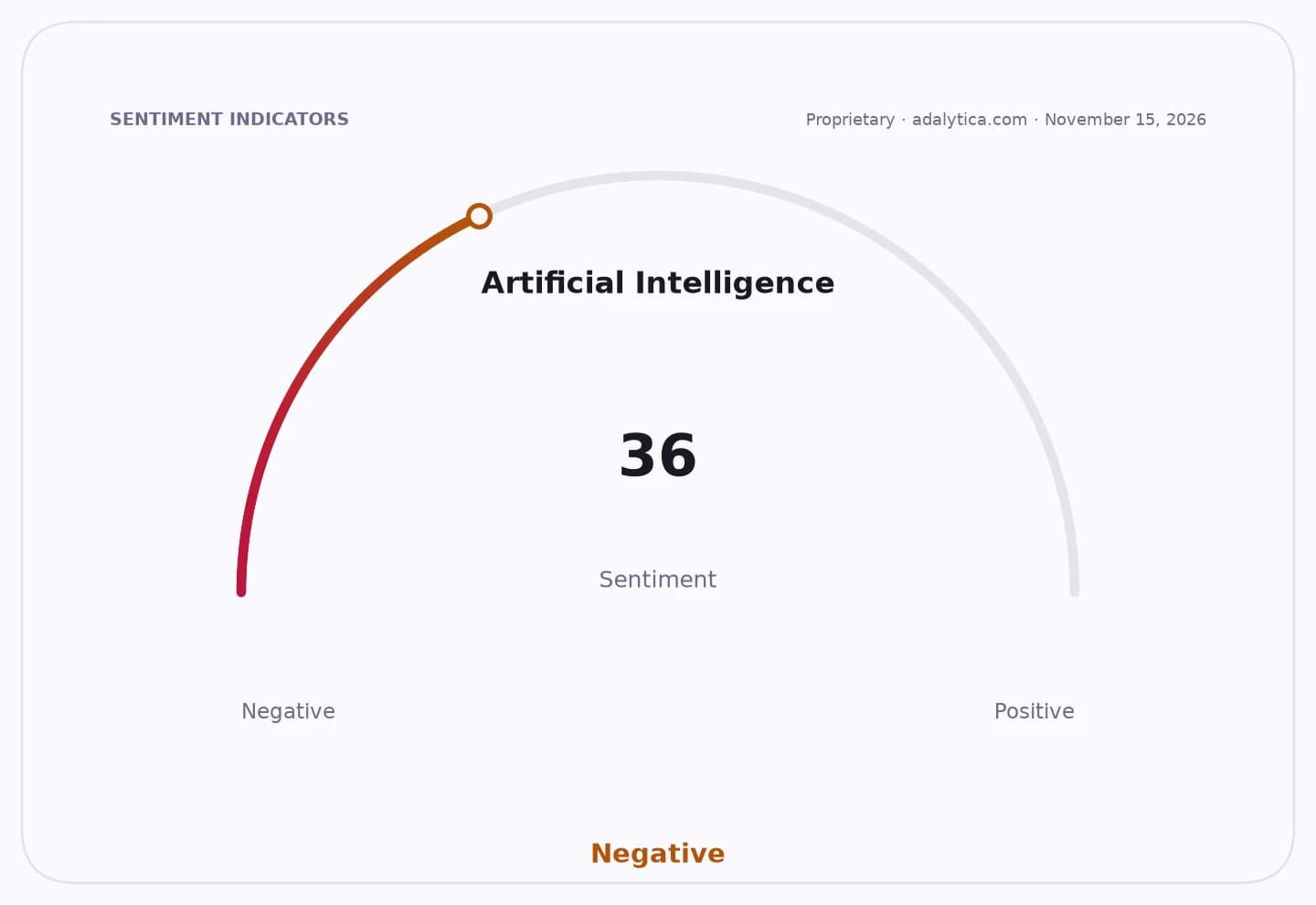
The pitch lands as companies from software to industrials are under pressure to prove that AI can do more than generate enthusiasm. In markets, the theme has been centered on beneficiaries such as Microsoft and Nvidia, while the broader AI trade has become more volatile as investors weigh spending, margins and whether adoption is translating into cash flow.
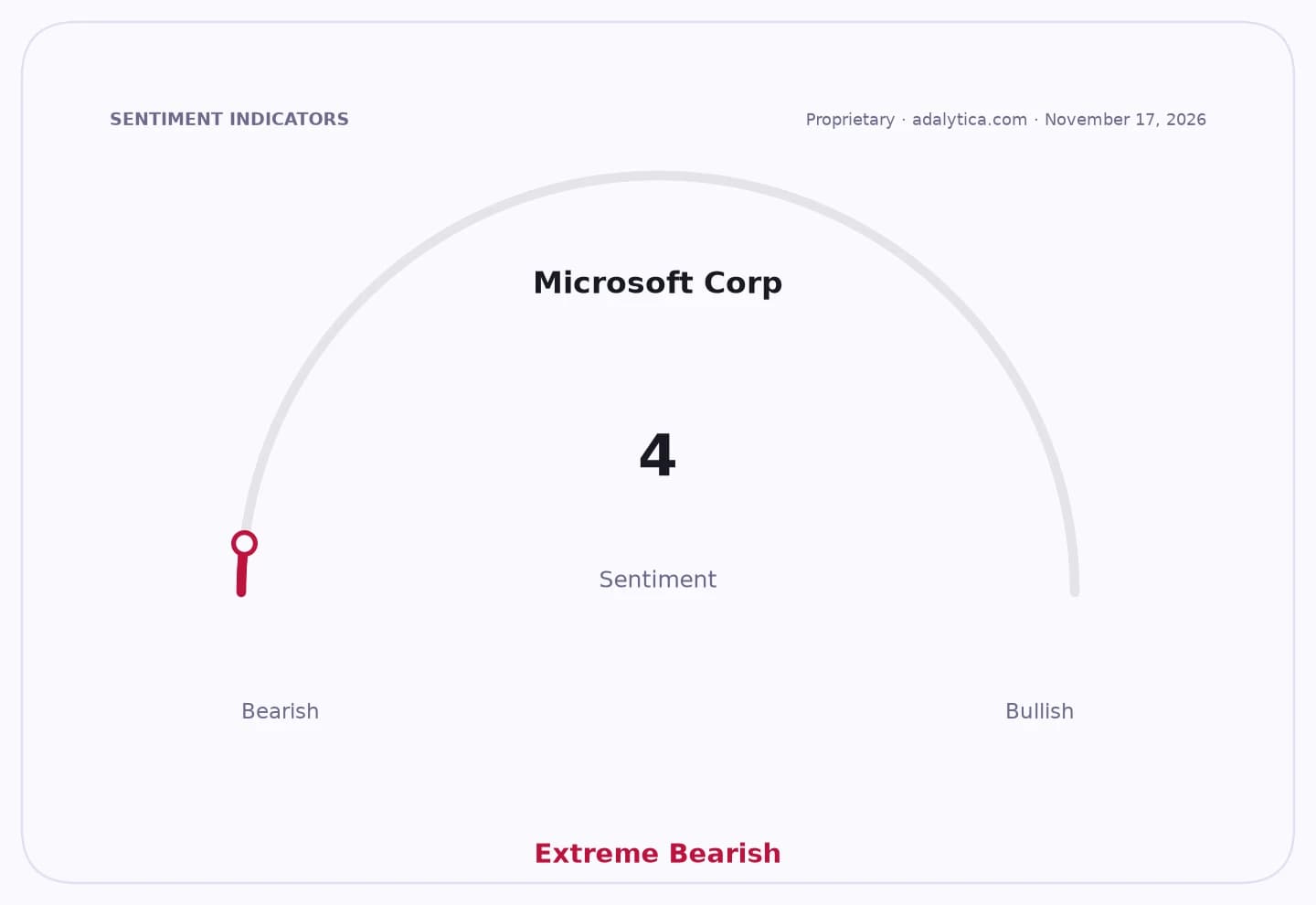
Microsoft shares were last at $496.13, below a 50-day moving average of $518.63, with a 25.7 RSI reading and a negative MACD, while Nvidia closed at $155.38, also below its 50-day average of $204.95 and with an RSI of 34.4. Those technical indicators point to a pullback in two of the market’s flagship AI names even as interest in automation remains intense.
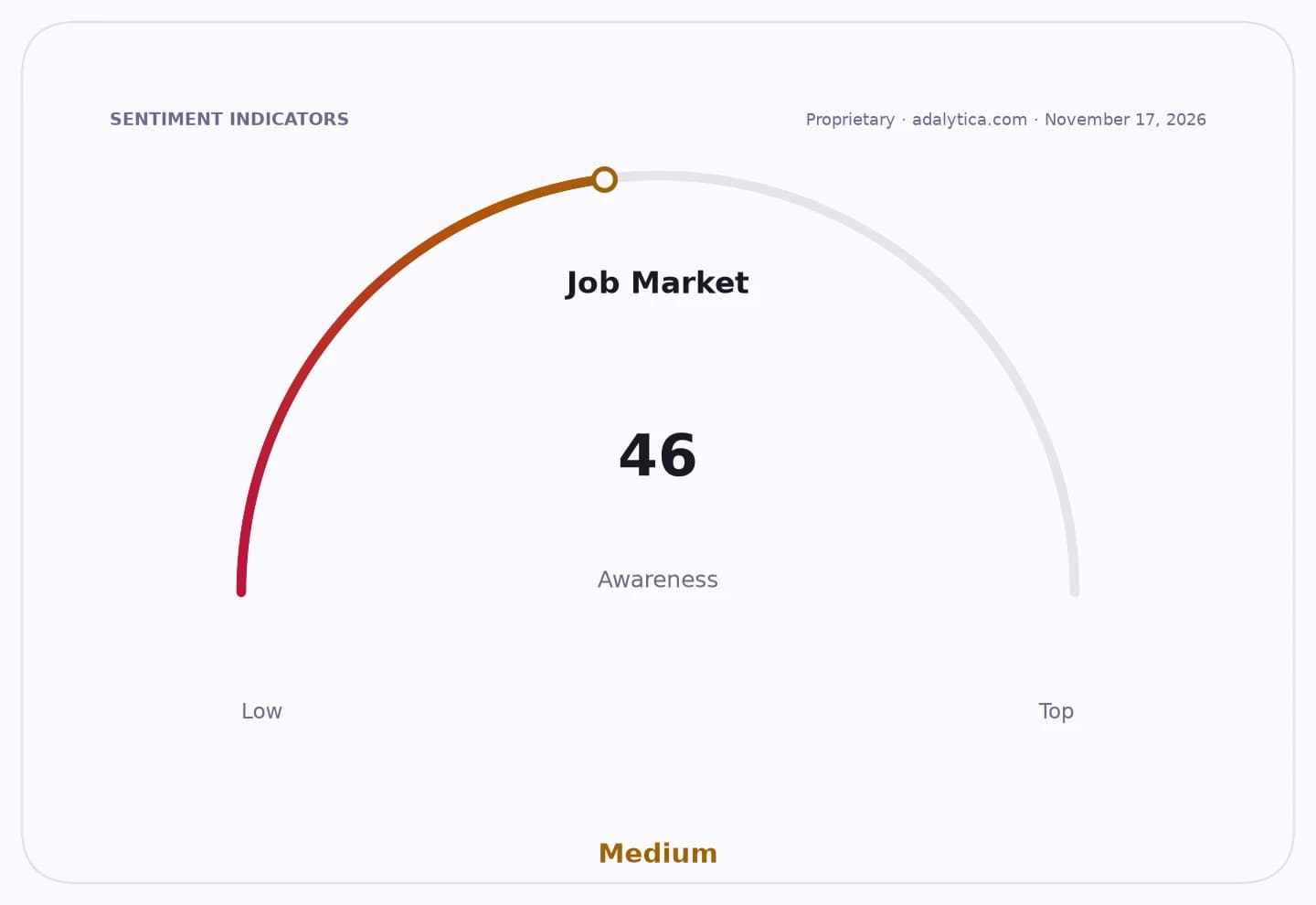
The story also captures a larger shift in Japan, where companies are wrestling with labor shortages, aging demographics and the need to do more with fewer people. For management teams, Kavanabe’s argument is that AI should not simply accelerate existing workflows, but force a rethink of which tasks are actually worth doing in the first place.
For investors, the next catalyst is whether that philosophy shows up in measurable productivity gains, lower operating costs or faster product development at companies that adopt it. The risk is that AI remains a slogan unless businesses can translate experimentation into earnings before the market cools further on the sector.
| Entity | Gains | Losses |
|---|---|---|
| AI adopters | ▲Lower labor burden | ▼Upfront retraining costs |
| Human workers | ▲More focus on judgment tasks | ▼Routine work shifts to machines |
| Microsoft and Nvidia bulls | ▲Long-term AI demand story | ▼Near-term valuation pressure |
| Traditional workflows | ▲Faster automation | ▼Legacy processes |