Kimberly Guilfoyle, the former U.S. ambassador to Greece, has become a central target in a widening House Democratic probe into whether Trump administration officials used public office for private gain, with lawmakers demanding she preserve records tied to alleged “pay-to-play” dealings and potential access-selling worth as much as $1 million.
House probe targets Kimberly Guilfoyle records

The inquiry matters because it is no longer framed as a narrow ethics complaint. It has broadened into a politically charged investigation of how money, access and government influence may have overlapped across the Trump orbit, including allegations involving family members, former aides and senior officials. For investors, the significance is less about Guilfoyle herself than about the risk that the probe further entrenches policy uncertainty, complicates relations with foreign counterparties and keeps Washington’s attention on corruption and conflict-of-interest questions rather than on economic policy.
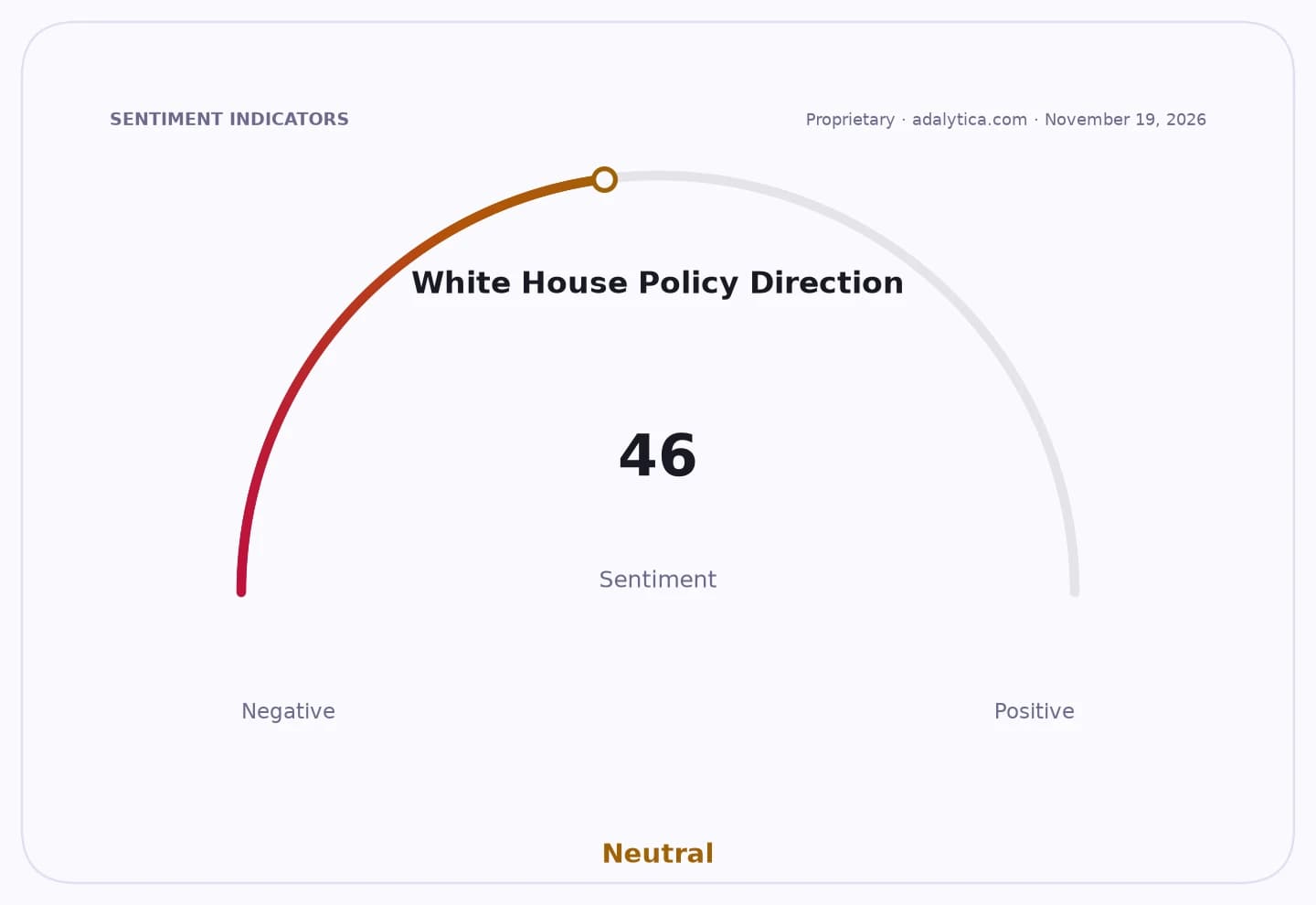
Sentiment Indicators
Representative Robert Garcia, a California Democrat on the House Oversight Committee, sent preservation letters to 12 people tied to the Trump administration, including Guilfoyle, asking them to retain documents and communications relevant to the allegations. In Guilfoyle’s case, Democrats cited reports that she allegedly sought $100,000 from a Republican donor in exchange for access to senior Trump officials, with the arrangement potentially rising to $1 million in additional payments, according to the claims described in the letter.
The allegations extend beyond a single transaction. Democrats are also pointing to reports of Guilfoyle’s relationships with wealthy Greek businessmen, claims that they financed her travel, and allegations that she worked with a lobbyist and tried to intervene with Balkan governments in support of projects for a particular company. The inclusion of producer Drew Lynch, and references to figures including former IRS commissioner Billy Long, FBI Director Kash Patel and FBI general counsel Sam Reimer, suggests lawmakers are tracing a broader network of introductions, lobbying and influence-peddling rather than a standalone misconduct case.
The preservation request is itself an important legal and political step. It signals that Democrats may be laying groundwork for subpoenas, depositions or future enforcement referrals, and that they want to lock down evidence before it disappears. Even if the allegations never result in charges, the process can be costly for the people involved, distracting for the administration and damaging for anyone still active in politics, lobbying or fundraising.
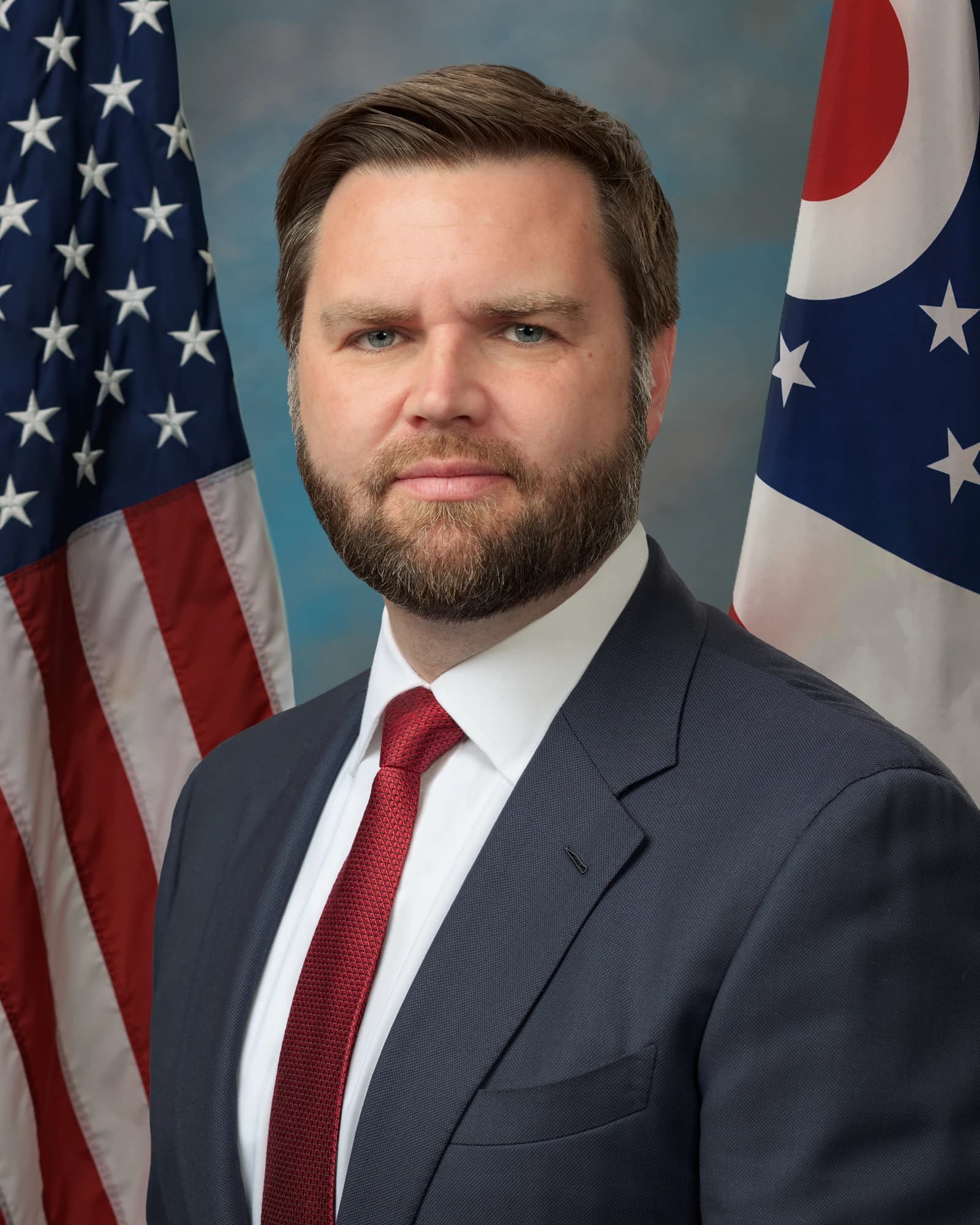
The broader 12-letter sweep shows how Democrats are using the Oversight Committee to stitch together a narrative of systemic self-dealing. The package ranges from Donald Trump Jr. and Eric Trump to Jared Kushner, Stephen Miller, Kristi Noem, J.D. Vance, Attorney General Todd Blanche and others, with some letters focused on family businesses, others on immigration enforcement, and others on the handling of Jeffrey Epstein-related files. That breadth increases the chances of prolonged political damage even if the factual record remains contested.
For markets, the immediate impact is limited, but the story reinforces a wider theme: Washington remains vulnerable to governance risk. In periods when investors are already sensitive to fiscal strain, regulatory unpredictability and geopolitical volatility, ethics investigations around a former ambassador and Trump allies add another layer of institutional uncertainty. That is especially relevant when the allegations touch Greece and the Balkans, where U.S. diplomacy, investment interests and regional political influence often overlap.
The next catalyst is whether the committee escalates from document demands to formal subpoenas or public hearings. If that happens, the episode could become part of a larger legal and political drag on the Trump network, keeping pressure on Republican figures and ensuring that questions over private enrichment, foreign relationships and government access stay at the center of Washington’s agenda.
| Entity | Gains | Losses |
|---|---|---|
| House Democrats | ▲Oversight leverage | ▼Risk of partisan backlash |
| Kimberly Guilfoyle | ▲None | ▼Legal and reputational pressure |
| Trump network allies | ▲Little near-term benefit | ▼Renewed scrutiny and subpoenas |
| Investors in policy-sensitive assets | ▲Clarity if probe stays contained | ▼Higher governance and political risk |