Marco Rubio’s public backing of J.D. Vance to succeed Donald Trump, while ruling out his own presidential bid, is an early signal that the Republican succession fight is already moving from speculation to positioning — and markets will care because the next White House can shape tariffs, regulation, defense spending and the dollar.
Rubio Backs Vance as Trump Succession Talk Heats Up
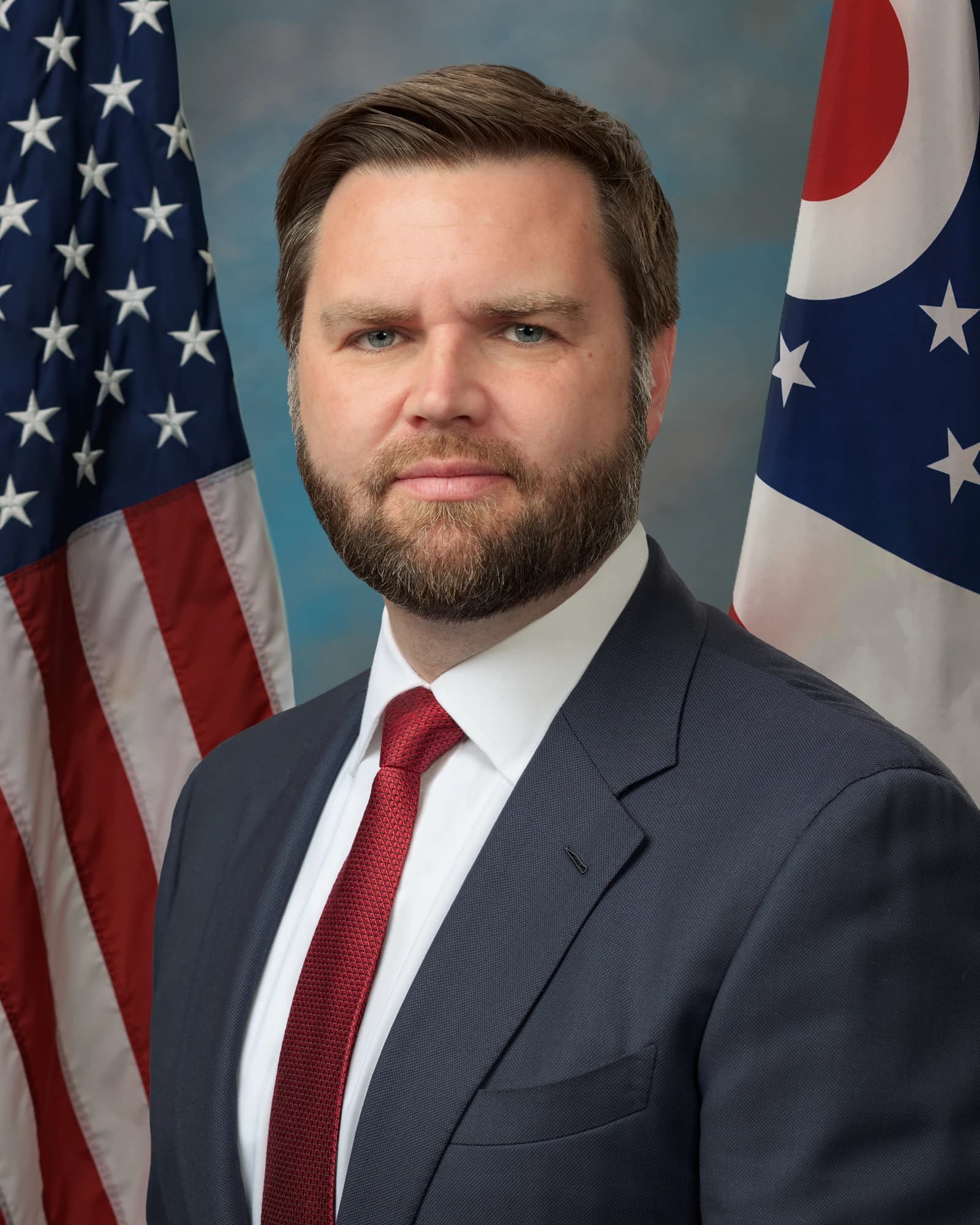
That matters economically because a Vance-friendly policy line would likely preserve the core Trump agenda: tougher trade barriers, more aggressive industrial policy, tighter immigration and a more transactional foreign policy. For investors, that is not abstract politics. It changes the odds on higher defense budgets, more domestic manufacturing support, stickier inflation from tariffs and a continued tilt toward U.S.-centric capital spending.
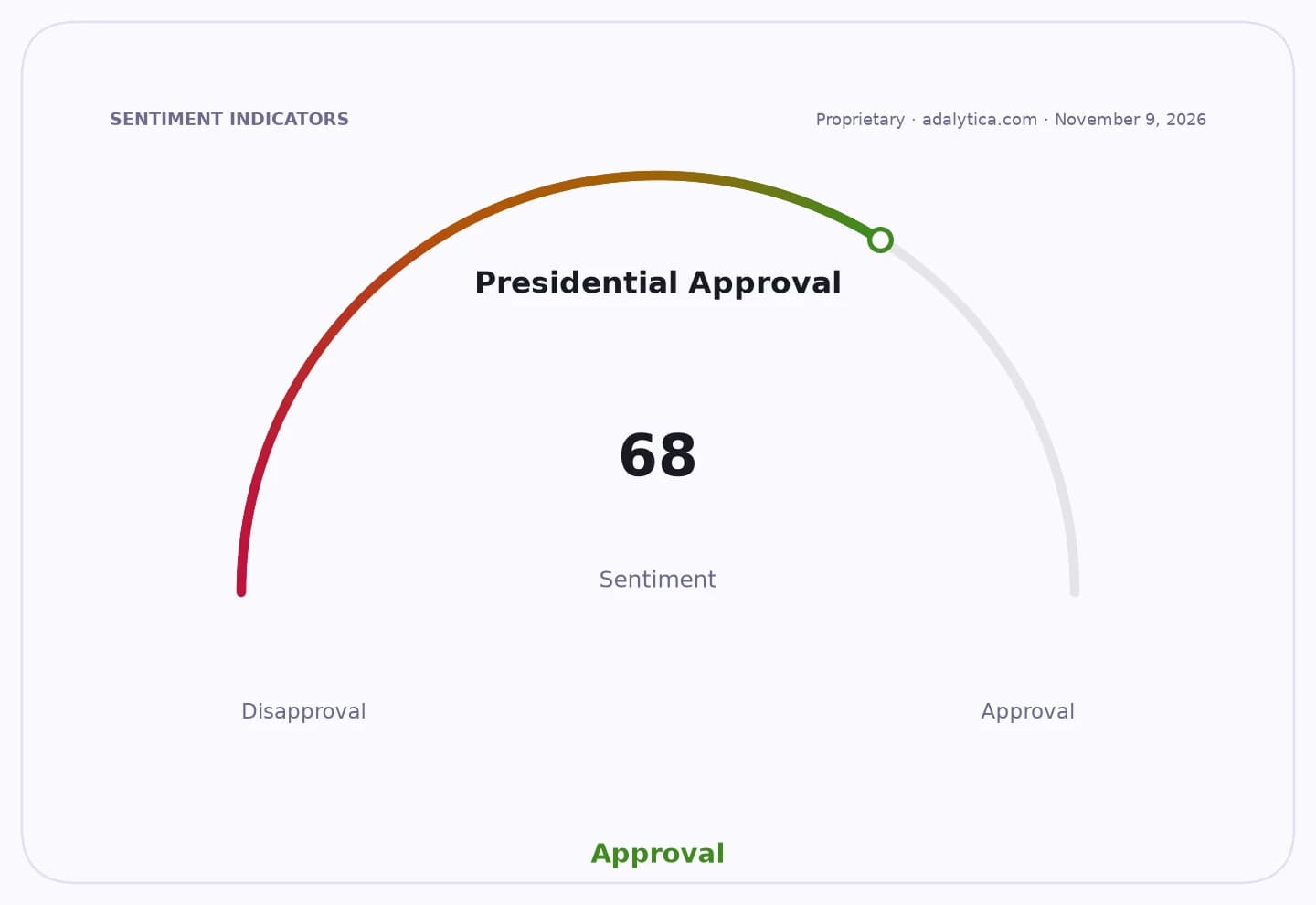
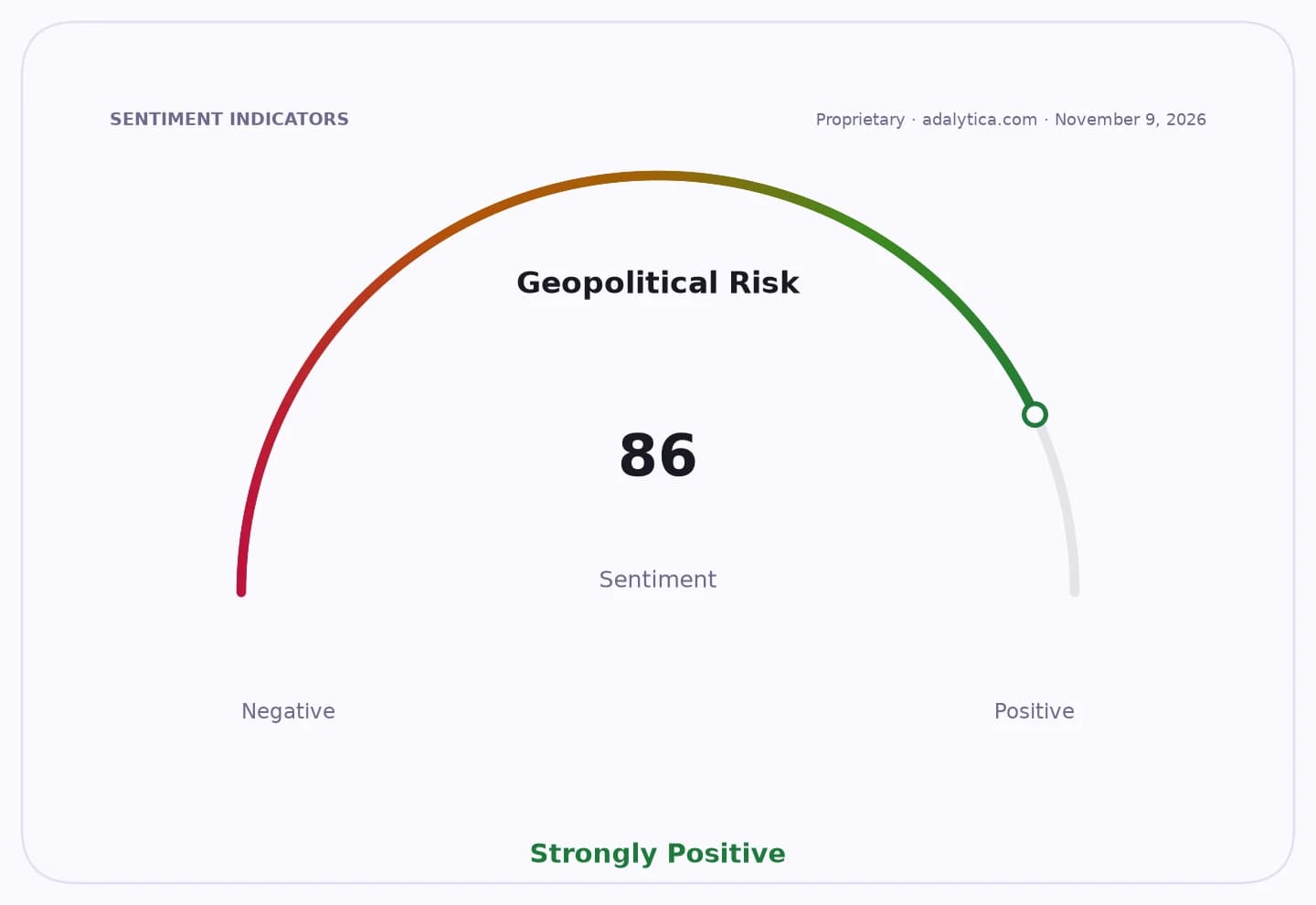
Sentiment Indicators
The market is already trading as if Washington is entering a more volatile policy phase. The S&P 500 has pulled back from its highs, with SPY closing at 746.72 after briefly topping 766.81 earlier in the month, while its 50-day moving average sits near 764.49, a sign of a market still digesting policy risk rather than embracing a clean growth narrative. Technical indicators show SPY’s RSI at 39.0 and a negative MACD, both consistent with a consolidation phase rather than a risk-on breakout.
Bond markets are sending the same message. TLT has been volatile and remains below its 200-day moving average near 83.12, closing at 80.89, which suggests investors are still unsure whether the next policy regime will lean more inflationary or growth supportive. A return of tariff-heavy politics would keep pressure on long-duration assets and support sectors tied to pricing power, hard assets and domestic infrastructure.
The biggest investable implication is that the market may underestimate how quickly a Rubio-Vance alignment can harden expectations around 2028 succession and, in turn, around 2026 and 2027 policy posture. That favors defense contractors, border security names, domestic industrials, energy producers and companies tied to reshoring and supply-chain localization. It is less friendly to import-heavy retailers, multinationals exposed to tariff pass-through, and long-duration software and growth stocks if rates stay sticky.
Adalytica’s U.S. White House Policy Direction Sentiment is already at 75, labeled “Greed,” with awareness at 100, indicating investors are highly attuned to the policy narrative. Global Stability Sentiment, by contrast, has fallen sharply to 57, with “Extreme Fear” awareness, underscoring how geopolitical uncertainty and domestic political transition can amplify volatility across risk assets.
My view is simple: this is not just a personnel story. It is the opening move in a new policy arc, and the market is still pricing it too casually. If Rubio is openly clearing the field for Vance, investors should treat that as a cue to lean into the beneficiaries of a more nationalist, pro-industrial, pro-defense Washington while staying cautious on firms most exposed to tariffs, inflation and policy whiplash. The highest-conviction setup is to own the toll roads of the next political cycle — defense, energy, infrastructure and reshoring — before consensus fully catches up.
| Entity | Gains | Losses |
|---|---|---|
| Defense contractors | ▲Higher Pentagon spending | ▼Budget uncertainty eases less |
| Domestic industrials | ▲Reshoring tailwinds | ▼Import competition |
| Energy producers | ▲Pro-fossil policy bias | ▼Clean-tech relative support |
| Import-heavy multinationals | ▲Pricing power elsewhere | ▼Tariff and margin pressure |