Robert Kiyosaki is back with the same old investing lesson that made him famous, but this time the focus is not on gold, silver or Bitcoin — it is on the mindset he says creates wealth in the first place.
Kiyosaki Says Wealth Comes From Cash-Flow Assets
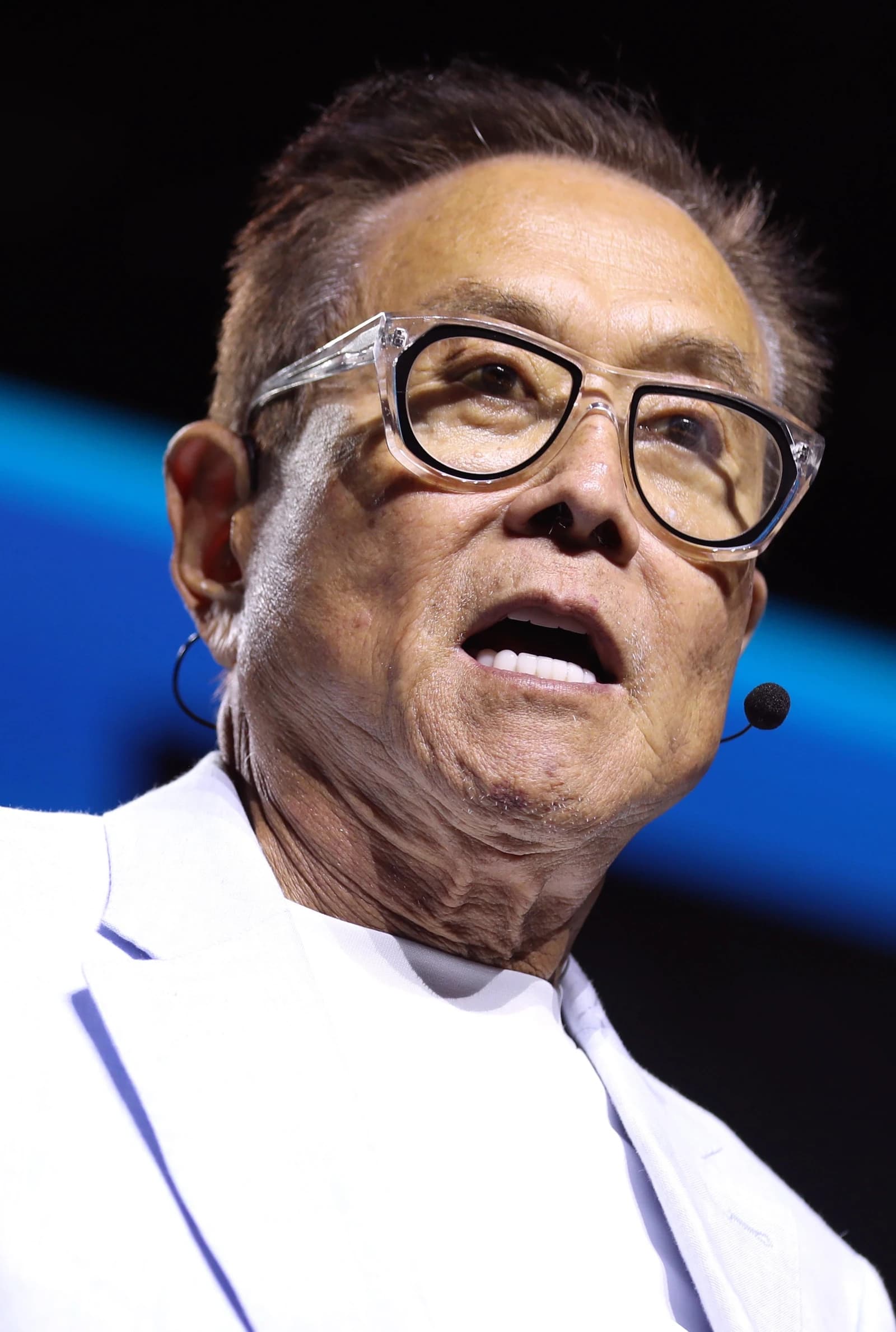
That matters because Kiyosaki has long used precious metals and crypto as his shorthand for protecting purchasing power, yet his latest message shifts the conversation to something more basic: how investors think about income, taxes and control over assets. In his latest post on X, the “Rich Dad Poor Dad” author said phrases like “I can’t afford it” and “I’ll try” can become liabilities, while “your best assets are free” because words shape behavior before any investment does.
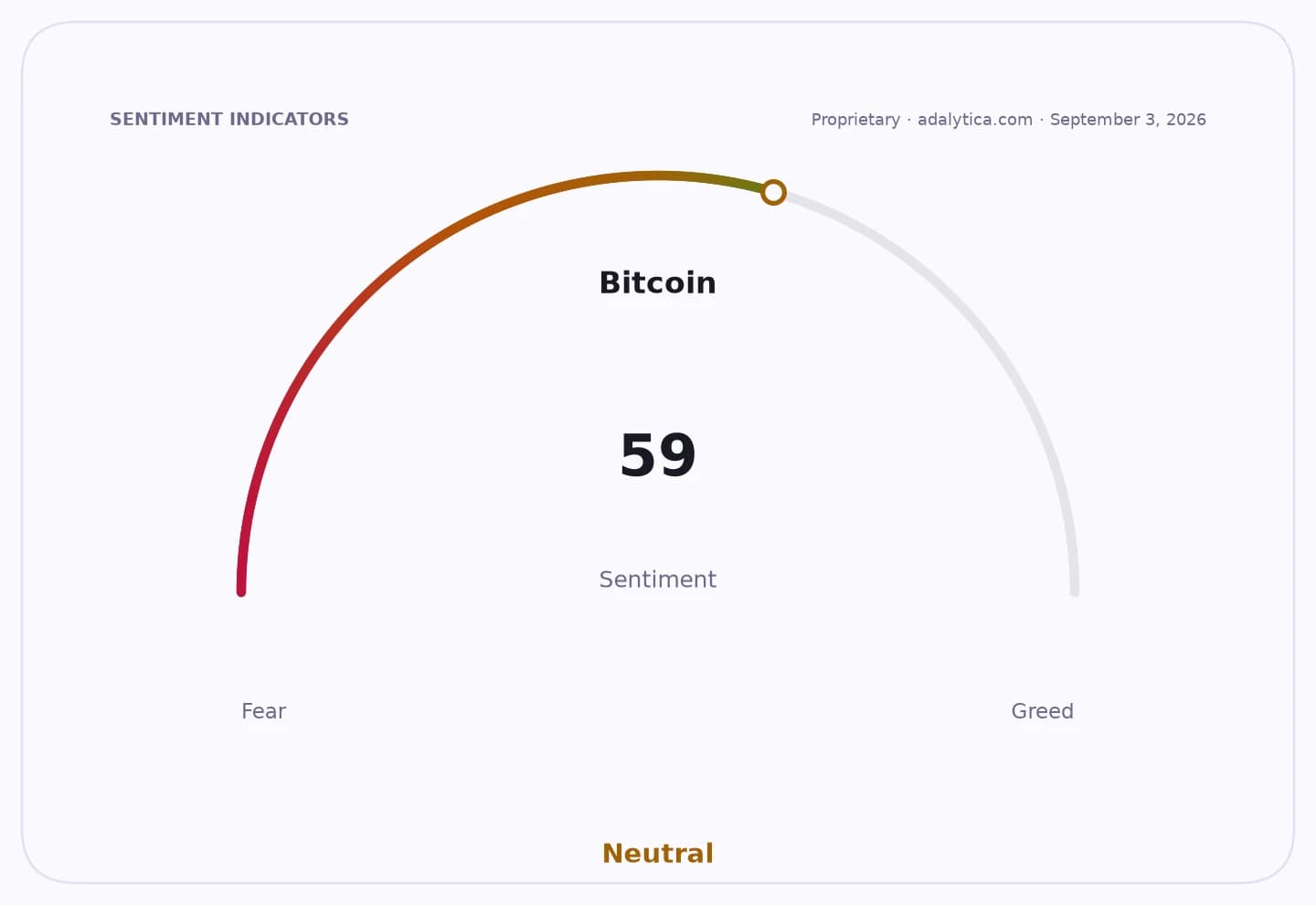
Sentiment IndicatorsⓘProprietary · adalytica.com · October 2, 2026
This is a snapshot — live sentiment, awareness and momentum for 130+ markets update continuously in the dashboard.Open AlphaPulse
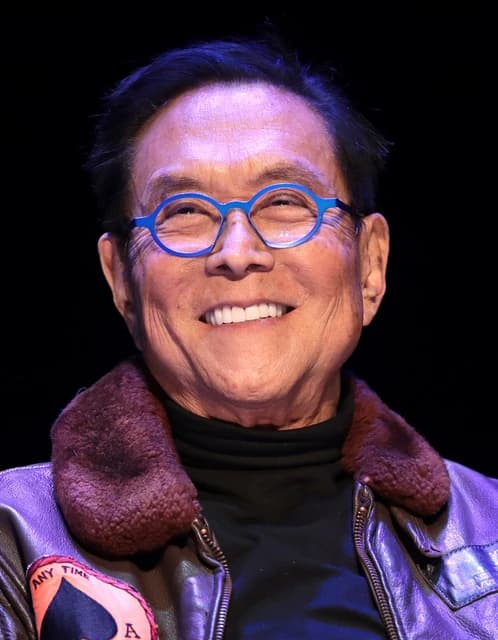
For long-term investors, that framing is useful even if you do not follow Kiyosaki’s more provocative views. The economic truth underneath his post is that wealth is built less by chasing headlines than by owning assets that throw off cash, compound over time and keep more of what they earn. That is why he contrasted job income, portfolio income and passive income, arguing that passive income is the most favorable because it is less tied to labor and, in many cases, more tax-efficient.
The bigger story here is that Kiyosaki is leaning harder into the philosophy that real wealth comes from owning businesses, property and cash-generating assets rather than trading time for a paycheck. He cited Warren Buffett’s old line about paying a lower tax rate than his secretary, though Buffett’s point was really about the tax code’s treatment of wages versus capital, not a celebration of loopholes. That distinction matters. It is one reason wealthy investors often favor structures that let assets work for them instead of the other way around.
Kiyosaki’s broader playbook has been consistent for years: own hard assets, borrow against them, and let time do the heavy lifting. That explains why he has repeatedly championed Bitcoin, Ethereum, gold and silver, and why he has talked up buying businesses that generate cash flow. He has also promoted real estate, a classic passive-income engine, even as his own claims about the size of that portfolio have been questioned.
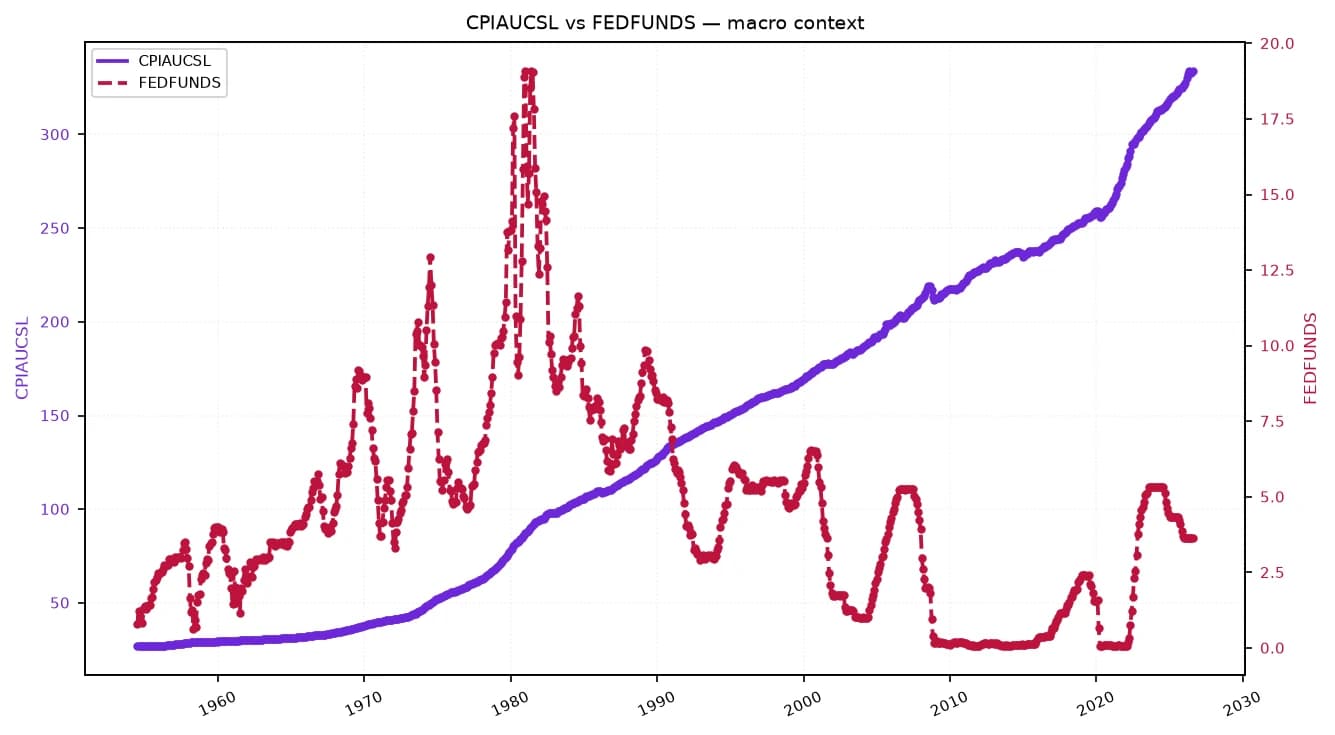
For investors, the point is not whether every Kiyosaki claim holds up. It is that his message reflects a durable truth about wealth creation in an inflation-prone world: wages are fragile, while productive assets can compound. With U.S. yields still elevated, inflation still above the Federal Reserve’s 2% target, and markets increasingly sensitive to the cost of capital, owning income-producing assets matters more than ever. Gold and Bitcoin may protect purchasing power, but over a full cycle, the real engine of wealth is the stream of cash those assets or businesses can generate.
That is why this latest post should be read less as a comment on metal prices or crypto and more as a reminder to investors to think in decades, not days. If you want financial independence, the lesson is not simply to buy the next hot asset. It is to build a portfolio of durable cash flows, tax-aware structures and assets you can hold through volatility. That remains one of the most reliable paths to wealth, and it is still worth taking seriously.
| Entity | Gains | Losses |
|---|---|---|
| Long-term asset owners | ▲Compounding cash flows | ▼Wage-only earners |
| Real estate and business investors | ▲Passive income potential | ▼Taxed labor income |
| Bitcoin, gold and silver holders | ▲Inflation hedge appeal | ▼Cash savers |
| Banks and lenders | ▲Interest income on collateralized debt | ▼Borrowers with weak balance sheets |