Bill Gross says his best investment ever was buying master limited partnership pipeline stocks, a trade that has gained appeal as higher oil prices and elevated bond yields push income investors toward energy infrastructure and away from traditional fixed income.
MLP Pipeline Stocks Beat Treasuries, Gross Says

The “Bond King,” who built Pimco into a $270 billion bond powerhouse, told Business Insider that his shrewdest wager in recent years was a portfolio of MLP pipeline names such as Western Midstream Partners. He pointed to tax treatment that allows much of the payout to be classified as return of capital, deferring taxes until sale and potentially eliminating them through a stepped-up basis at death. That structure, combined with yields that Gross says are roughly double those of comparable corporate pipeline stocks, has helped make the trade one of the stronger income bets in a market where cash flow matters more than capital appreciation.
Sentiment IndicatorsⓘProprietary · adalytica.com · October 3, 2026
This is a snapshot — live sentiment, awareness and momentum for 130+ markets update continuously in the dashboard.Open AlphaPulse

The timing also matters. Crude has risen roughly 60% this year, according to Gross, with the US-Iran conflict adding a geopolitical premium that has lifted storage and distribution economics for energy infrastructure operators. Western Midstream’s dividend yield is above 8%, versus around 4% for Kinder Morgan, Gross said, underscoring why tax-efficient income remains a powerful pitch even after strong gains. Western’s total return with dividends reinvested has topped 200% over the past five years, and peers including Energy Transfer, Plains All American Pipeline and MPLX have posted similar results.
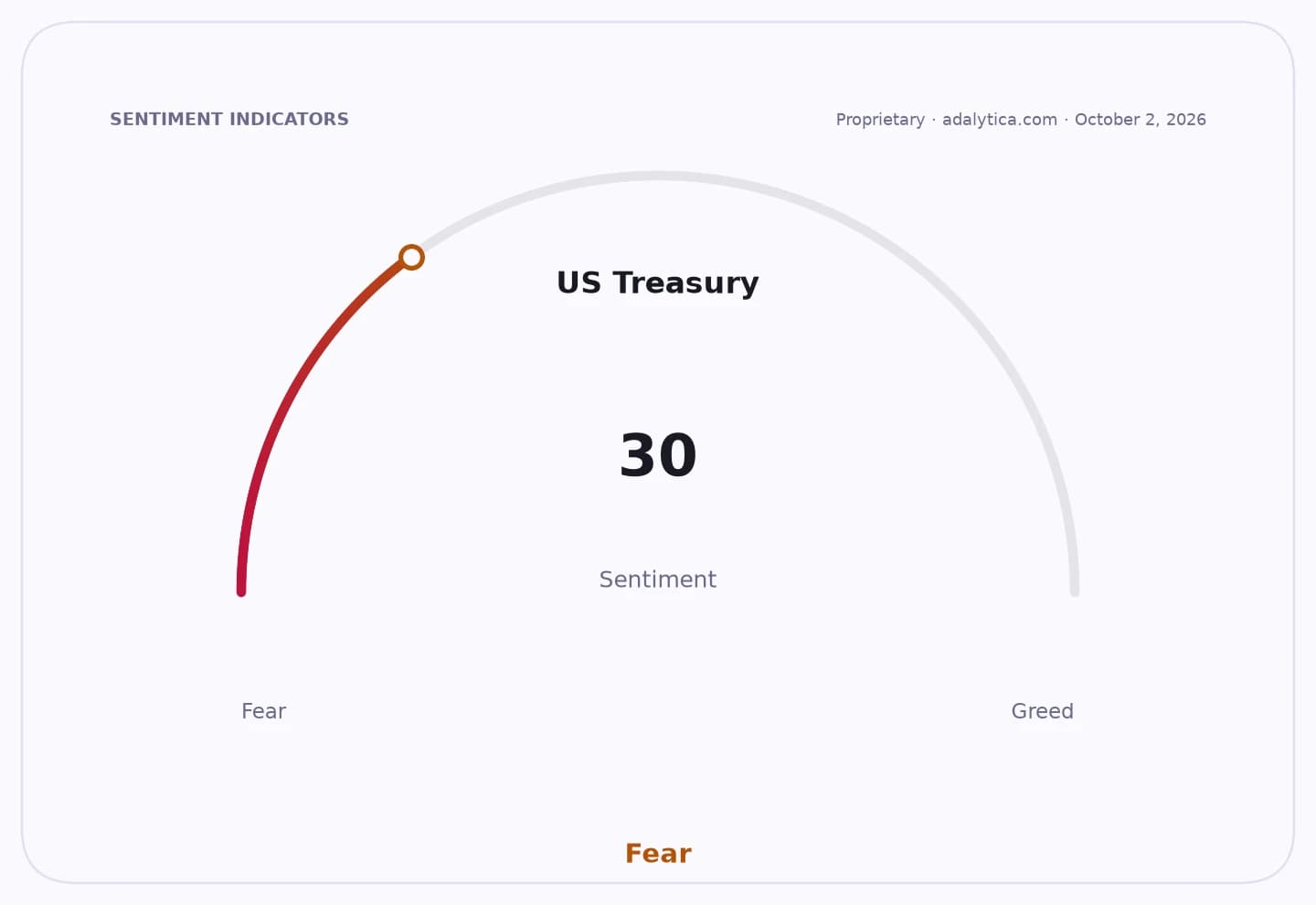
For investors, the message is that not all income is created equal in a world of stubbornly high rates. The 10-year Treasury yield is sitting around 5.3%, while the federal funds rate is still near 3.75%, leaving traditional bond portfolios with less room for price appreciation and more exposure to duration risk. In that setting, asset classes that can deliver high distributions with favorable tax treatment and some inflation linkage have a clear advantage. That is also why the bond market has been volatile: TLT has fallen to around $77.48, with its 50-day and 200-day moving averages both above the current price and its RSI readings in the high 20s, a sign of persistent technical weakness rather than a quick mean-reversion setup.
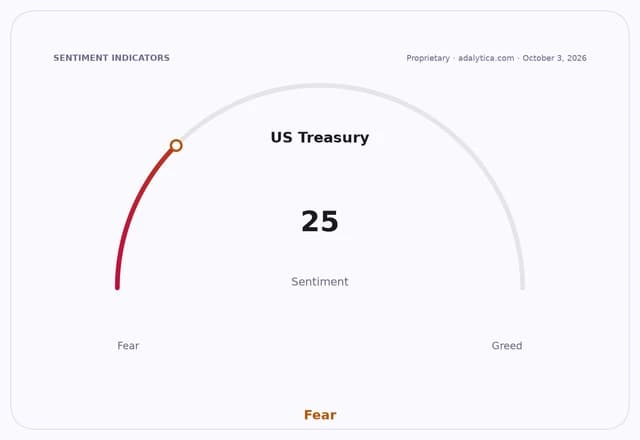
Gross’s worst mistake was the opposite trade. He said he bought 30-year Treasurys with 10-to-1 leverage in 1969, only to lose 50% in a month as bonds sold off. The lesson, in his telling, was that leverage magnifies the pain when rates rise fast — a reminder that looks especially relevant now as bond markets again wrestle with multi-decade yield levels and renewed inflation concerns. Treasury-sensitive assets have come under pressure, while high-yield credit has also softened, with JNK below both its 50-day and 200-day moving averages and its RSI near 25, reflecting cautious sentiment across fixed income.
The broader narrative is that Gross’s career has come full circle: the investor most associated with government bonds is now arguing that the best income trade may sit in energy pipelines rather than Treasurys. For investors, that reinforces a market regime where tax efficiency, cash generation and inflation protection matter more than duration. The risk is that a drop in oil prices, tighter tax treatment or a reversal in rate expectations could narrow the advantage quickly. But with bond yields elevated and geopolitical risk still supporting energy markets, pipeline income remains one of the clearest beneficiaries of the new high-rate world.
| Entity | Gains | Losses |
|---|---|---|
| MLP pipeline stocks | ▲Tax-efficient high yields | ▼Interest-rate-sensitive bond funds |
| Western Midstream / peers | ▲Higher distributions | ▼Lower oil-price environment |
| Treasury bulls | ▲Relative price support from falling yields | ▼Leverage-driven bond losses |
| Income investors | ▲Compounding and deferred taxes | ▼Traditional duration-heavy portfolios |