Oil is back near $97 a barrel, and that matters far more than the daily wiggle in the tape: a renewed energy shock can keep inflation sticky, force interest rates to stay higher for longer, and punish the parts of the market that depend on easy money. For long-term investors, that is exactly why high-quality software names such as Microsoft and Salesforce deserve attention now.
Oil Near $97 Supports Software Stocks Like Microsoft

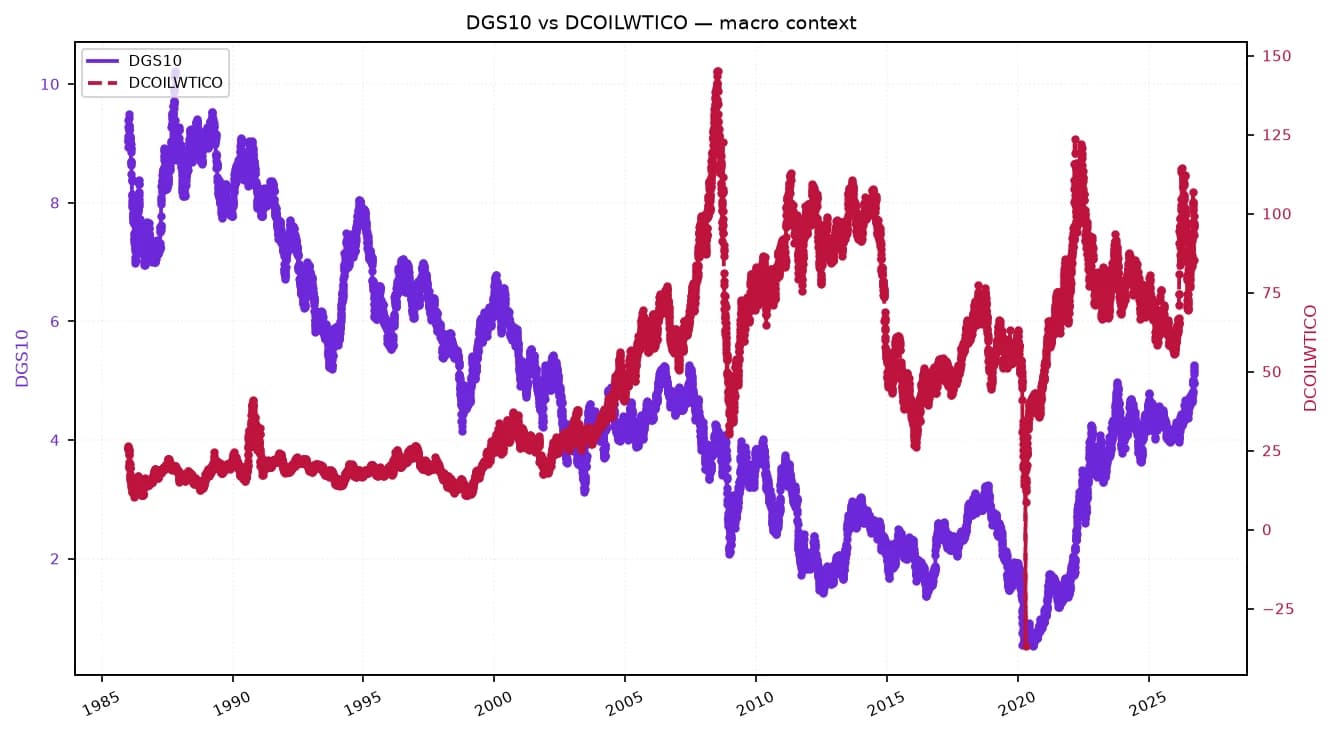
Crude’s move is not happening in a vacuum. The market is again pricing the possibility that geopolitical strain can feed through to fuel costs, just as it did in past inflationary cycles. Brent and West Texas prices have already surged sharply in this stretch, with WTI closing at $90.54 on Sept. 30 after trading as high as $106.42 in May and $105.83 in mid-September. That kind of volatility keeps pressure on transport, manufacturing and consumer budgets, and it gives central banks less room to declare victory over inflation.
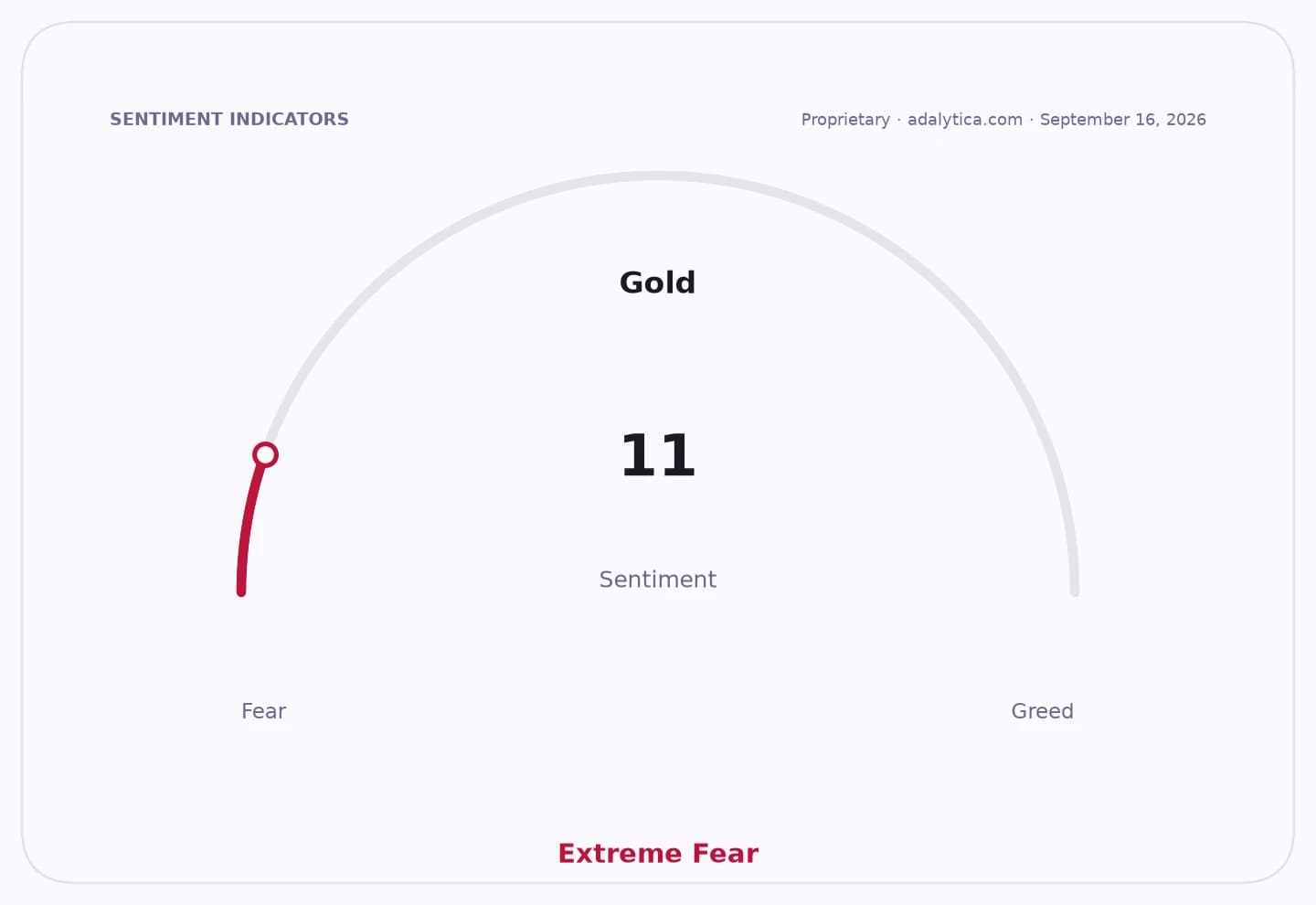
Sentiment IndicatorsⓘProprietary · adalytica.com · September 30, 2026
This is a snapshot — live sentiment, awareness and momentum for 130+ markets update continuously in the dashboard.Open AlphaPulse

The bond market is already telling you investors are uneasy. The 10-year Treasury yield has climbed to about 5.32%, a level that would have been unthinkable a few years ago, while TLT, the long Treasury ETF, has slid to $77.66, underscoring how painful duration has been. Adalytica’s U.S. Treasury Bonds Trade Signals show extreme greed in awareness but neutral sentiment, a combination that often appears when investors are watching a major macro risk without fully committing to a direction. Meanwhile, long-term inflation expectations remain stubbornly elevated, and confidence in the Fed’s 2% target, while improved, still looks fragile.
That is where the software story gets interesting. In inflationary periods, investors usually reach for businesses with recurring revenue, pricing power and high gross margins. Software-as-a-service companies fit that mold better than most industries. They do not need giant capital spending budgets to grow, and they can often protect earnings better than cyclical businesses when input costs rise. Microsoft’s software and cloud franchise, and Salesforce’s enterprise software platform, are built around sticky customers and subscription revenue — exactly the kind of model that can keep compounding even when macro noise is loud.
The market is already separating winners from losers. The technology sector ETF XLK is holding up far better than bonds, with shares at $196.57 and the 50-day moving average comfortably above the 200-day, a sign the sector still has institutional support even after a strong run. The technical picture also shows momentum improving, with RSI readings back above 70 in recent trading. That does not guarantee upside, but it does tell you investors are still willing to pay for growth when the macro backdrop gets more uncertain.
There is a broader lesson here for investors. If inflation really is getting a second wind from oil, the best defense is not hiding in cash and hoping for clarity. It is owning businesses that can raise prices, generate cash and keep serving customers through different economic regimes. That is why software has often looked like a modern version of the old inflation hedge: not because it benefits directly from higher oil prices, but because its economics are resilient when the rest of the economy gets squeezed.
The risk, of course, is valuation. When rates stay high, even great companies can see their multiples compress. And if oil rolls over, the inflation scare could fade as quickly as it arrived. But for investors with a three- to 10-year horizon, that is more reason to focus on quality than on timing the next macro headline. If the world is flirting with a 1970s-style inflation pulse, the companies best built to compound through it are the ones worth keeping on your watchlist — and possibly buying on weakness.
| Entity | Gains | Losses |
|---|---|---|
| Microsoft, Salesforce, software stocks | ▲Sticky recurring revenue | ▼Margin pressure from higher rates |
| Energy producers | ▲Higher crude prices | ▼Demand destruction risk |
| Treasury bond investors | ▲Shorter-duration cash-like holdings | ▼Long-duration bond prices |
| Consumers and importers | ▲None | ▼Higher fuel and borrowing costs |