Kora has launched One Rail, a payments layer that lets merchants across Africa accept, hold and convert USDT and USDC as easily as fiat, a move that could cut transaction costs in a region where cross-border transfer fees still average close to 9%.
Kora launches One Rail for Africa stablecoin payments
The new infrastructure matters because it targets one of the biggest frictions in African commerce: getting paid in dollars without waiting on slow correspondent banking rails or surrendering a large slice of the transaction to intermediaries. By settling directly to local bank accounts while giving merchants immediate access to dollar liquidity, Kora is positioning stablecoins not as speculative crypto assets but as working capital for trade, especially for businesses with suppliers, customers or payroll needs spanning multiple currencies.
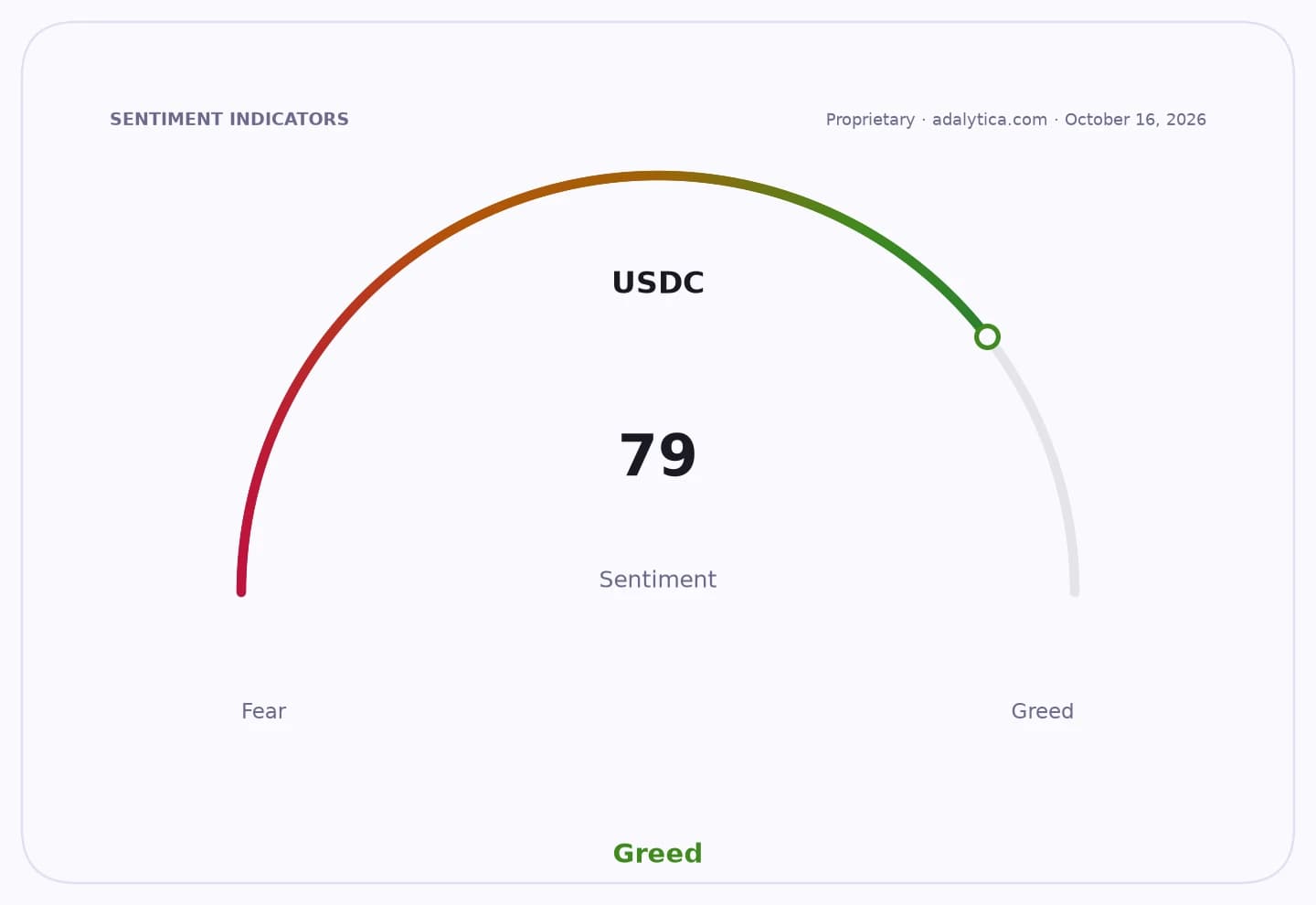
Sentiment IndicatorsⓘProprietary · adalytica.com · October 2, 2026
This is a snapshot — live sentiment, awareness and momentum for 130+ markets update continuously in the dashboard.Open AlphaPulse
That is the clearest sign yet that stablecoins are moving deeper into payments infrastructure in emerging markets. Kora says 78% of businesses on the continent are already exposed to stablecoins, underscoring how quickly digital dollar rails are spreading even as regulators in the US and Europe intensify scrutiny of the sector. The appeal is straightforward: for merchants that import goods, invoice across borders or serve diaspora customers, stablecoins can reduce settlement delays and currency conversion losses while preserving the ability to cash out locally.
For investors, the development reinforces the investment case for payment networks and crypto platforms that can turn digital assets into practical commerce tools. Coinbase, which trades under the ticker COIN, and PayPal, whose stablecoin efforts remain watched by the market, are both exposed to a broader shift toward on-chain payments, while processors that fail to adapt risk being bypassed on fee-rich cross-border flows. The market backdrop also shows how sensitive these themes remain: Coinbase shares have been volatile and recently traded around $192.54, while PayPal was at about $53.09, both far below their highs, reflecting continued skepticism about how quickly crypto-linked payments will translate into durable earnings.
The bull case is that One Rail addresses a real economic need in a region where banking rails are expensive and unreliable, and where dollar demand is structurally strong. The bear case is that stablecoin adoption will keep colliding with compliance, liquidity and regulatory risk, particularly as lawmakers scrutinize issuers and use cases tied to illicit finance. That tension is central to the sector: the same features that make stablecoins attractive for trade — speed, low cost and dollar exposure — are what keep regulators uneasy.
For now, Kora’s launch suggests the most credible stablecoin story is no longer about trading venues or speculation, but about payments infrastructure. If merchants adopt One Rail at scale, the winners could include merchants, exporters and cross-border buyers; the losers are likely to be legacy transfer networks and banks that still rely on expensive settlement chains.
| Entity | Gains | Losses |
|---|---|---|
| Kora | ▲More merchant volume | ▼Reliance on adoption speed |
| African merchants | ▲Faster dollar settlement | ▼Fewer banking frictions |
| Stablecoin issuers | ▲Wider payment use | ▼Greater regulatory scrutiny |
| Legacy banks and remitters | ▲— | ▼Fee compression |