South Korea’s decision to lift the minimum wage to 10,700 won next year is more than a routine labor-policy update — it is a test of how far policymakers can push wages without upsetting a fragile balance between household spending and employment.
Korea Minimum Wage Hike Tests Employers
That matters because minimum-wage hikes ripple quickly through the economy. They raise pay for low-income workers, which can support consumption, but they also lift costs for small businesses already coping with thin margins, higher financing costs and softer demand. In a country still trying to keep growth near 3%, the wrong mix can mean fewer hires, more pressure on prices and less room for private-sector expansion.
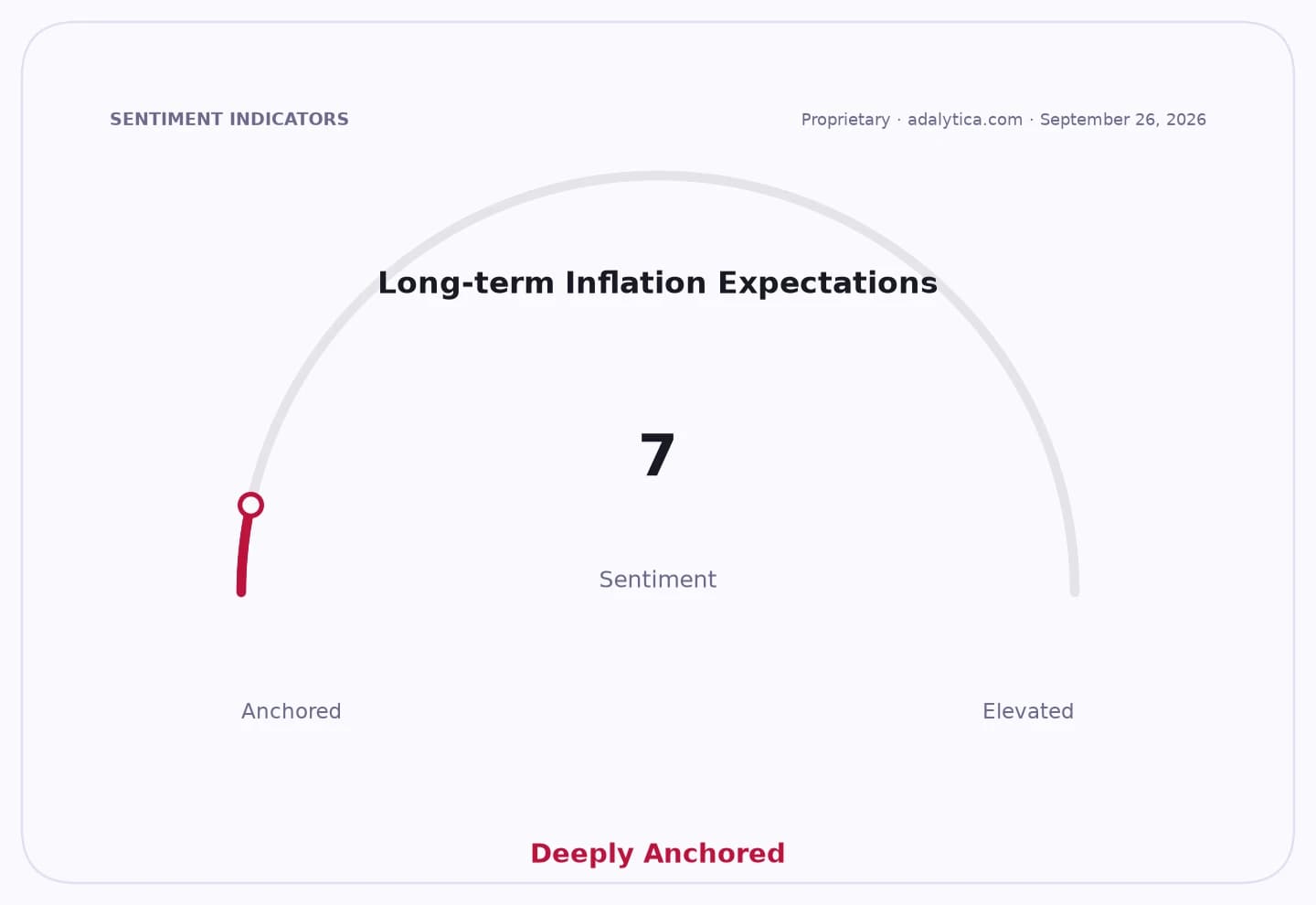
Sentiment IndicatorsⓘProprietary · adalytica.com · July 15, 2026
This is a snapshot — live sentiment, awareness and momentum for 130+ markets update continuously in the dashboard.Open AlphaPulse
The increase is modest at about 2%, but even small changes are politically and economically charged in South Korea. Business owners argue that any mandated rise squeezes restaurants, retailers and other labor-intensive industries, while labor advocates say pay growth has to keep up with living costs and weak wage discipline. The debate is not really about one number; it is about whether the economy can keep raising the floor for workers without weakening the very job market that supports them.
For investors, that tension matters across the board. Domestically focused companies with large payrolls tend to face the most direct hit to margins, especially small and mid-sized employers that cannot easily pass costs on to customers. At the same time, stronger wage income can help underpin consumption, which is why retailers, consumer brands and some service businesses may eventually see a lift in sales if households keep more cash in hand.
The broader backdrop is one of policy caution. South Korea is trying to manage inflation, preserve employment and avoid a wage-price spiral. That makes the minimum wage a useful signal for where authorities think the economy can absorb higher labor costs. If growth slows or unemployment rises, the debate will almost certainly reopen, because wage policy in a low-margin economy is never just about fairness — it is also about competitiveness.
For long-term investors, the lesson is simple: watch wage policy as a leading indicator of pressure on small-cap employers, consumer spending power and broader labor-market health. The winners are firms with pricing power and efficient operations; the losers are businesses that depend on cheap labor and high turnover. It is worth keeping on the watchlist.
| Entity | Gains | Losses |
|---|---|---|
| Low-wage workers | ▲Higher pay | ▼- |
| Consumers | ▲Stronger spending power | ▼- |
| Small businesses | ▲- | ▼Higher labor costs |
| Labour-intensive sectors | ▲- | ▼Margin pressure |