Kosovo’s bid to move closer to the Adriatic Charter has new momentum after Albania’s foreign minister urged the bloc to advance its long-delayed membership request, a move that would strengthen Kosovo’s Western security ties and underscore the region’s broader effort to lock in Euro-Atlantic alignment.
Kosovo Pushes for Adriatic Charter Membership
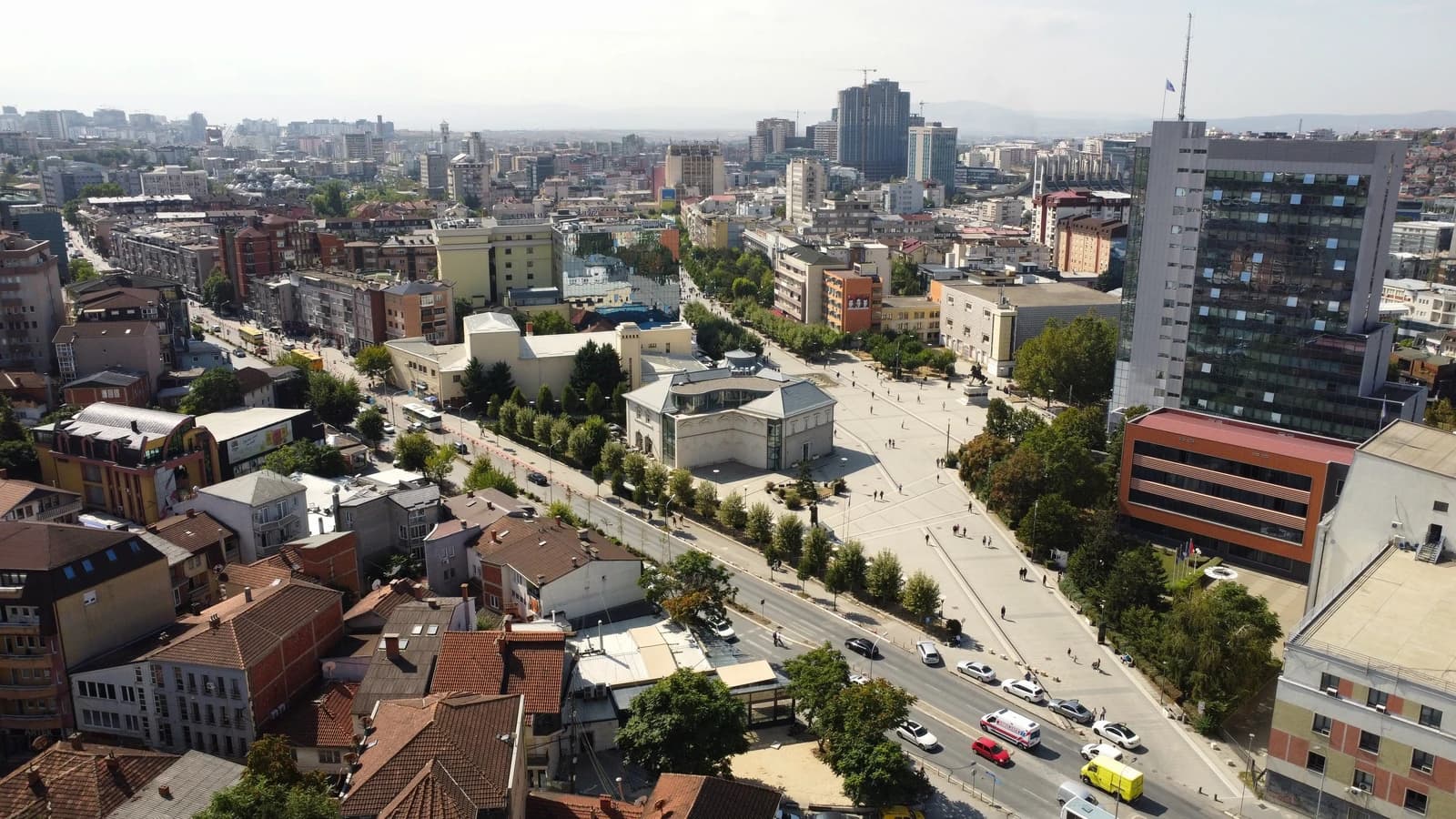
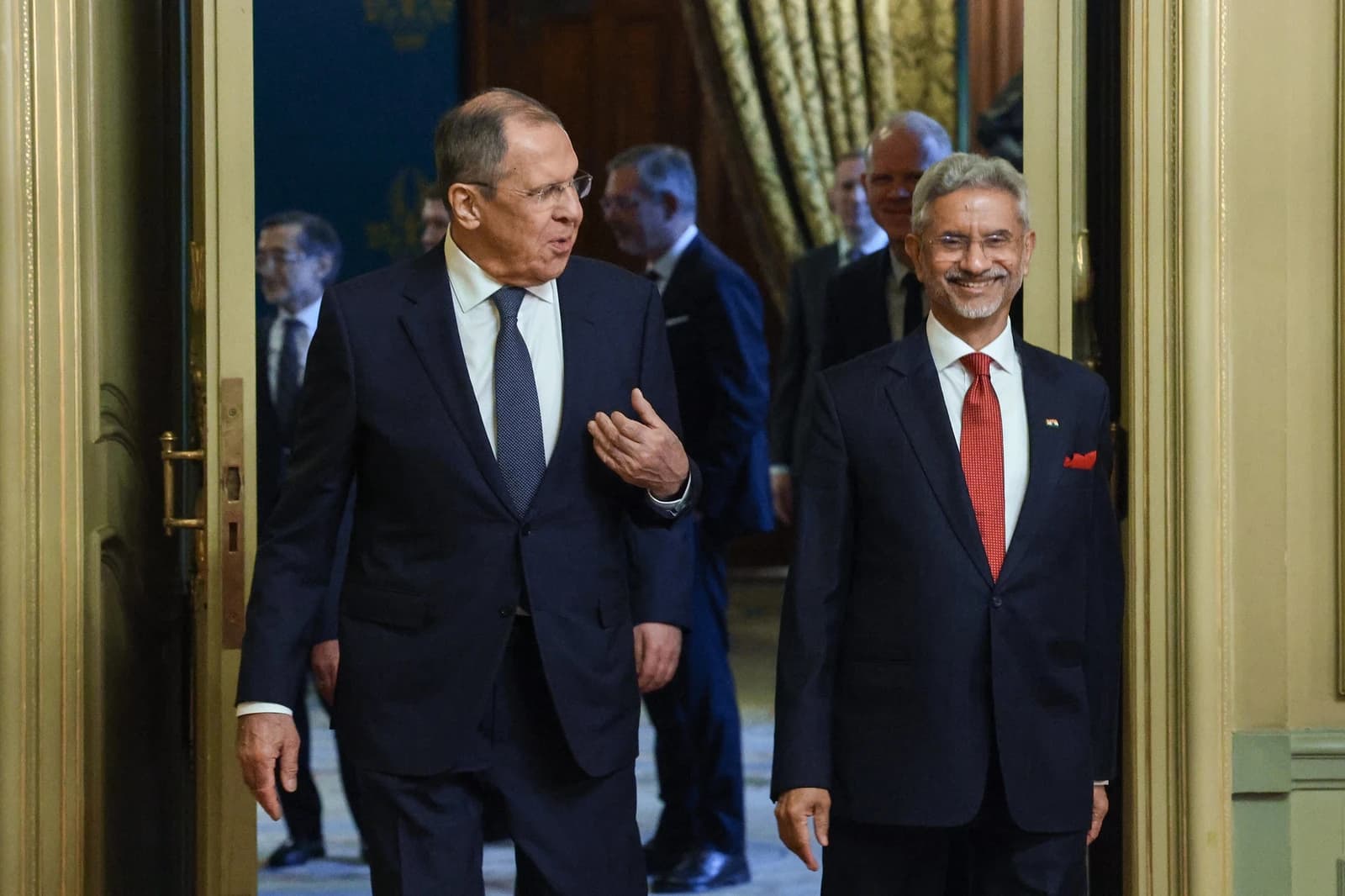
Ferit Hoxha said Kosovo’s application had been “on hold for too long,” arguing that admitting Pristina would deepen regional cohesion and improve the bloc’s ability to respond to shared security threats. His remarks came after a meeting of Adriatic Charter foreign ministers in New York under Croatia’s chairmanship, placing Kosovo’s accession back on the diplomatic agenda at a time when Western Balkan states are under pressure to present a more united front on security, energy and information warfare.
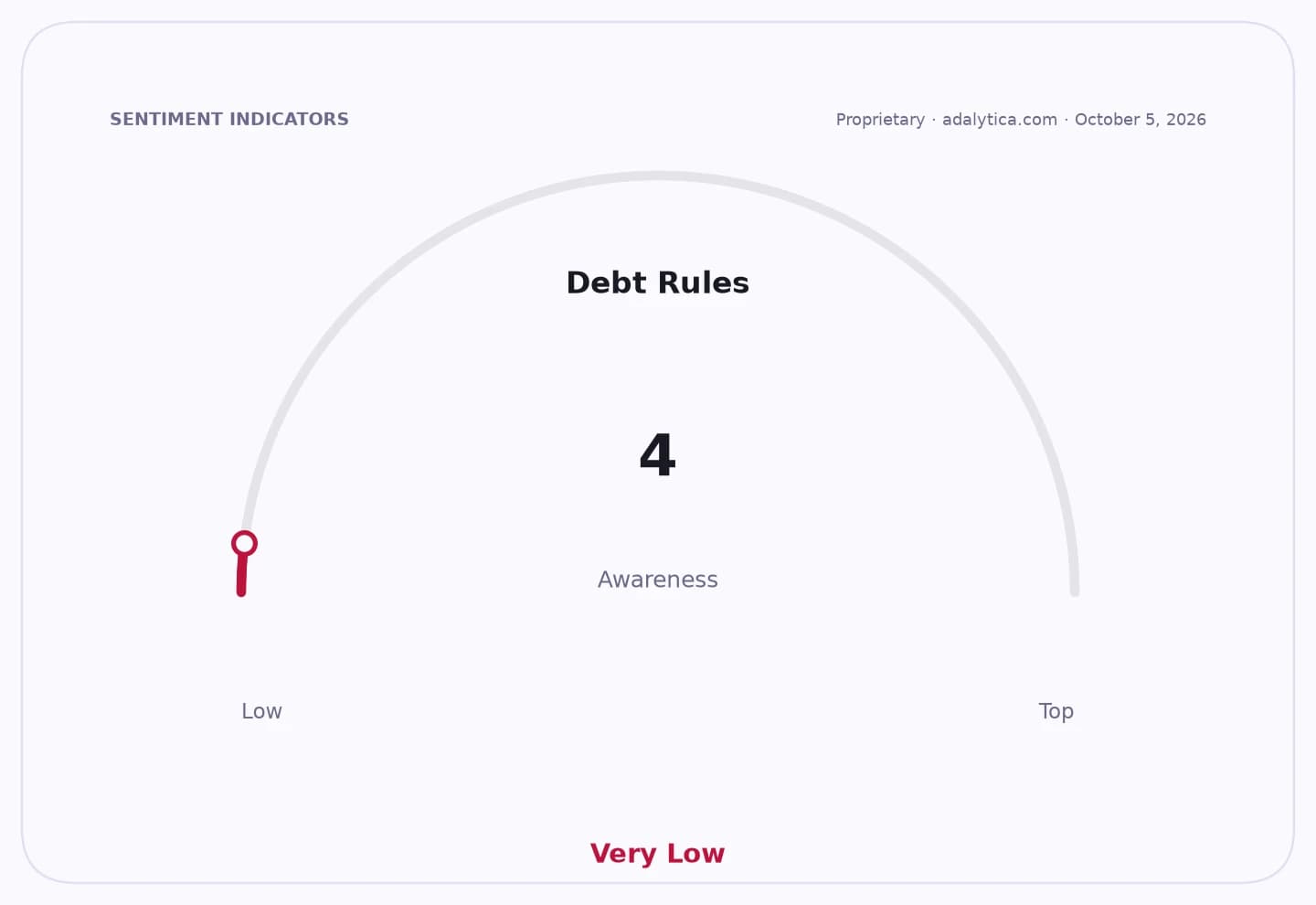
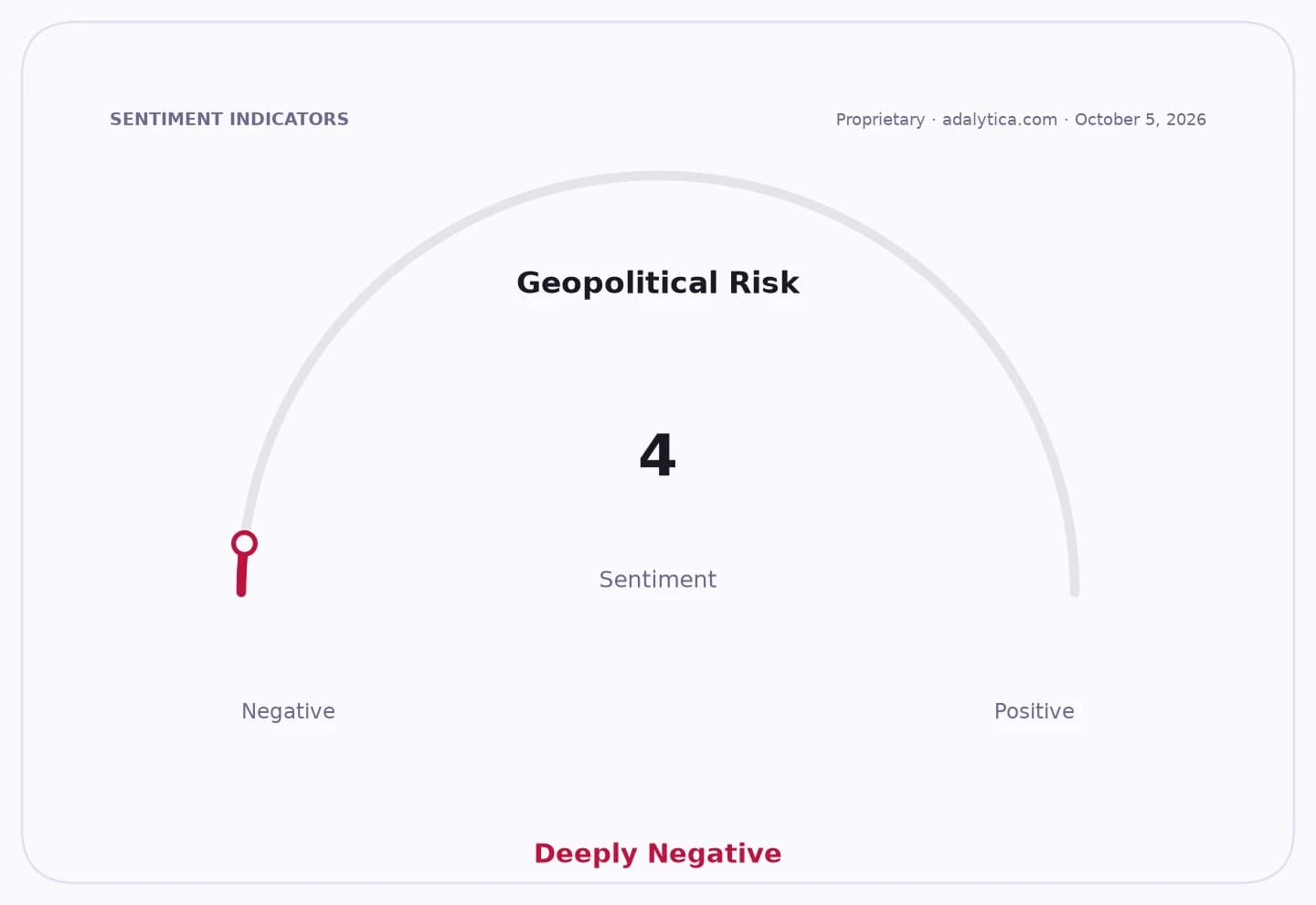
Sentiment IndicatorsⓘProprietary · adalytica.com · September 28, 2026
This is a snapshot — live sentiment, awareness and momentum for 130+ markets update continuously in the dashboard.Open AlphaPulse

The Adriatic Charter, or A5, was created more than two decades ago as a regional cooperation framework linking countries in the Western Balkans with NATO-oriented security goals. Albania’s push matters because it keeps Kosovo’s integration question alive inside a group that is already used to functioning as a bridge between regional politics and Euro-Atlantic institutions. For Kosovo, a step forward would not deliver full NATO membership, but it would carry political weight by broadening its access to a security network that still matters in a region where sovereignty disputes remain unresolved.
Hoxha framed the issue in modern security terms, pointing to cyber threats, energy security and foreign information manipulation rather than only conventional military risks. That reflects a wider shift in Europe’s southeastern flank, where governments increasingly see hybrid threats as central to national resilience. In that environment, the case for including Kosovo is not only about symbolism. It is about bringing another Balkan actor into structures meant to improve coordination, crisis response and deterrence.

The timing is also politically significant. Kosovo continues to seek deeper integration into Western institutions while navigating domestic instability and strained relations with some neighbors. Albania’s intervention signals that Tirana still intends to act as Kosovo’s most active advocate in regional fora, even as both countries face their own institutional pressures. For investors and policy watchers, the broader message is that the Western Balkans remain in a phase of contested alignment: the more the region advances through cooperative security frameworks, the more predictable its political risk profile becomes.
Still, the path is unlikely to be straightforward. A5 is a political and security platform, not a substitute for the unresolved diplomatic disputes that continue to weigh on Kosovo’s external positioning. Support from Albania helps, but accession progress will depend on consensus among members and on whether the bloc is willing to translate rhetorical backing into procedural movement.
For markets, the direct impact is limited, but the strategic implication is clearer: any step that reduces Balkan fragmentation and reinforces Western-linked institutions supports a more stable regional investment backdrop over time. The key question now is whether the New York meeting becomes another statement of intent or the start of a real push to bring Kosovo into the charter.
| Entity | Gains | Losses |
|---|---|---|
| Kosovo | ▲Greater security alignment | ▼Prolonged accession delay |
| Albania | ▲Regional leadership role | ▼Limited immediate leverage |
| Adriatic Charter members | ▲Stronger cohesion | ▼Added political complexity |
| Western Balkans stability | ▲More coordinated security framework | ▼Continued uncertainty if stalled |