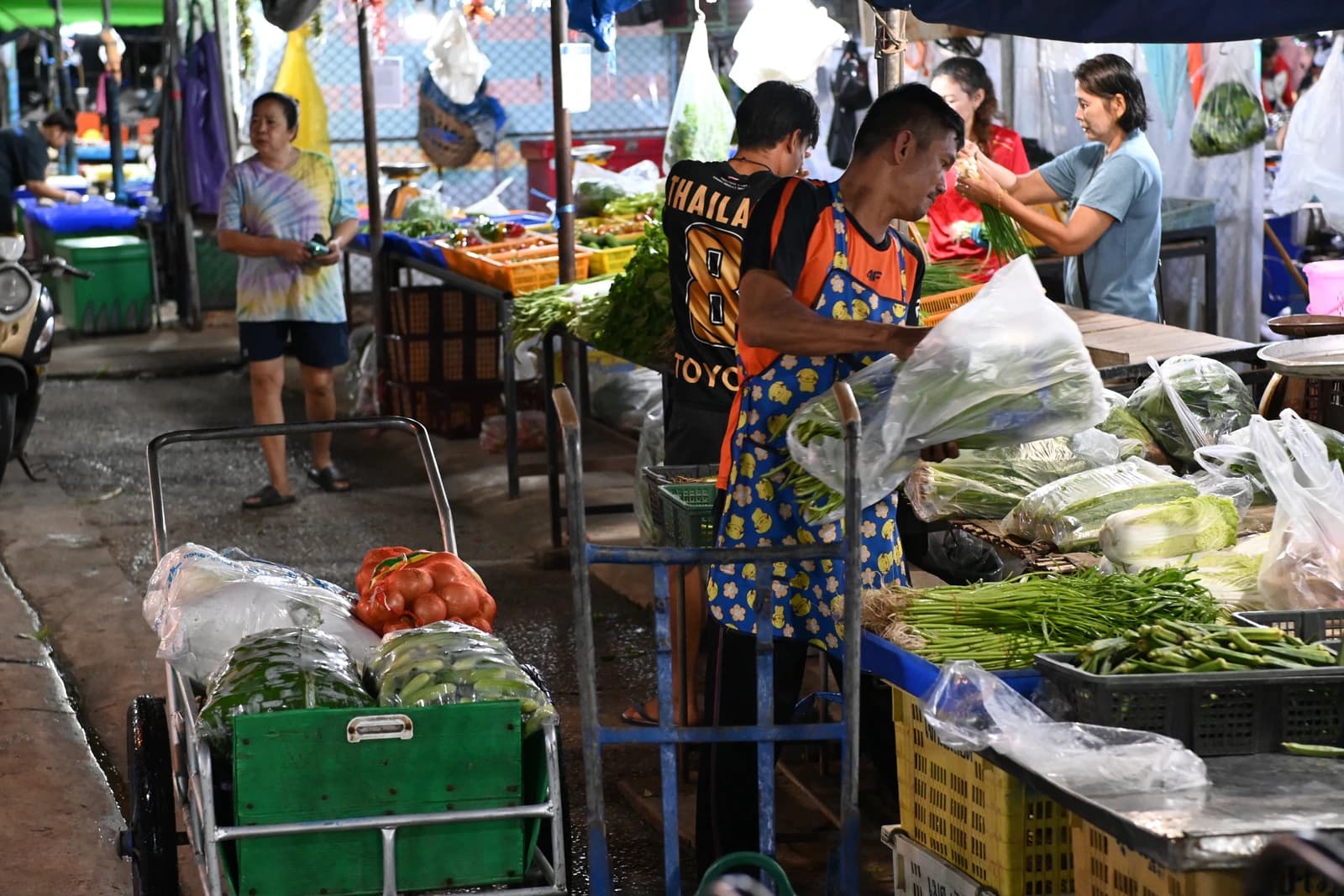
Inflation is still doing the most damage where it always hurts first: in the budgets of lower-income households. With consumer prices up 7.1%, Kosovo families are paying more for the basics at a time when the economy remains heavily dependent on imported goods, leaving little relief on food, fuel and other everyday costs.
Kosovo inflation stays high as import costs bite
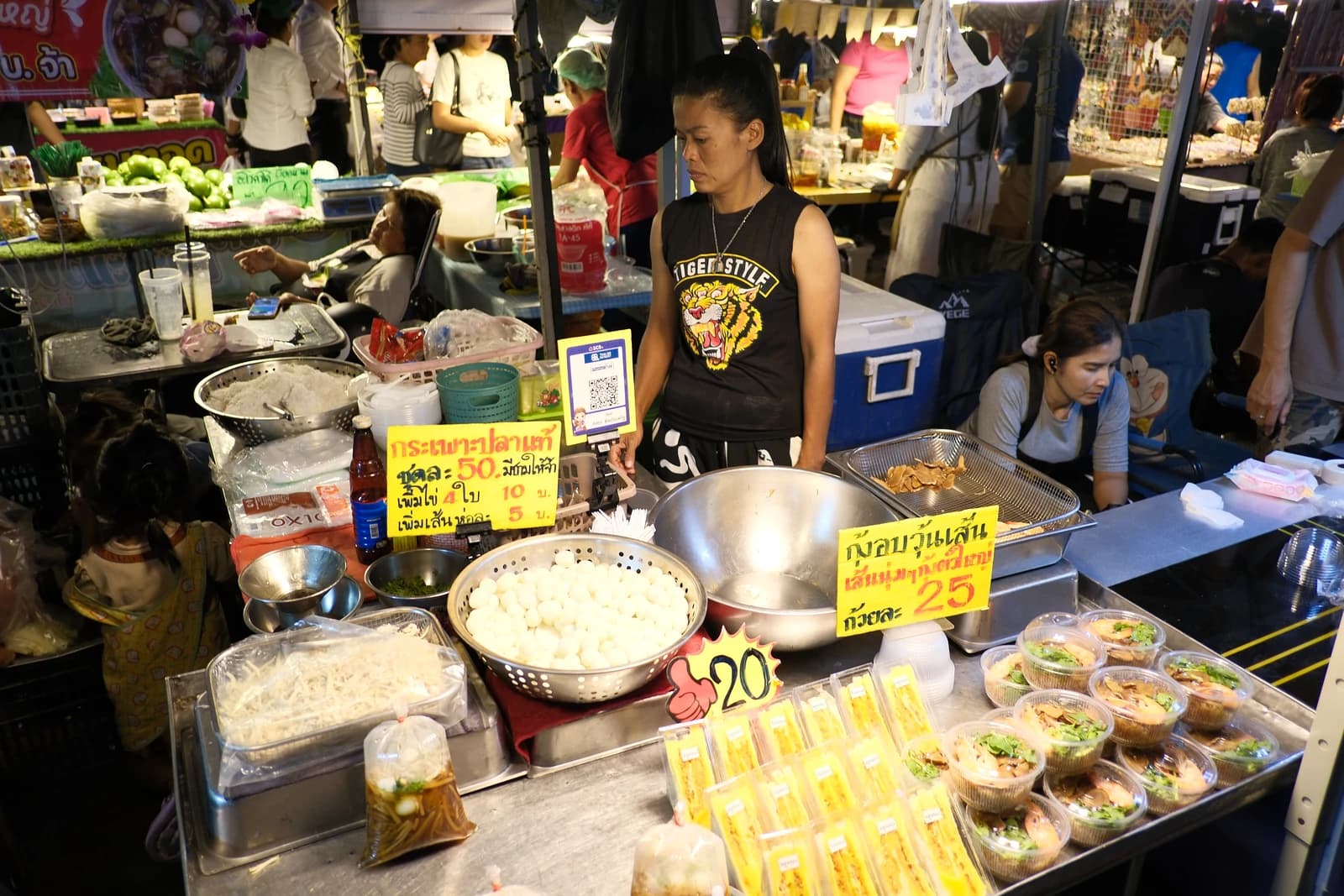
That matters economically because inflation is not just a number on a chart when a country relies on imports. It becomes a broad tax on consumption, especially in a small economy where households spend a larger share of income on necessities. The squeeze also weakens domestic demand, which can slow growth even if businesses are still selling.
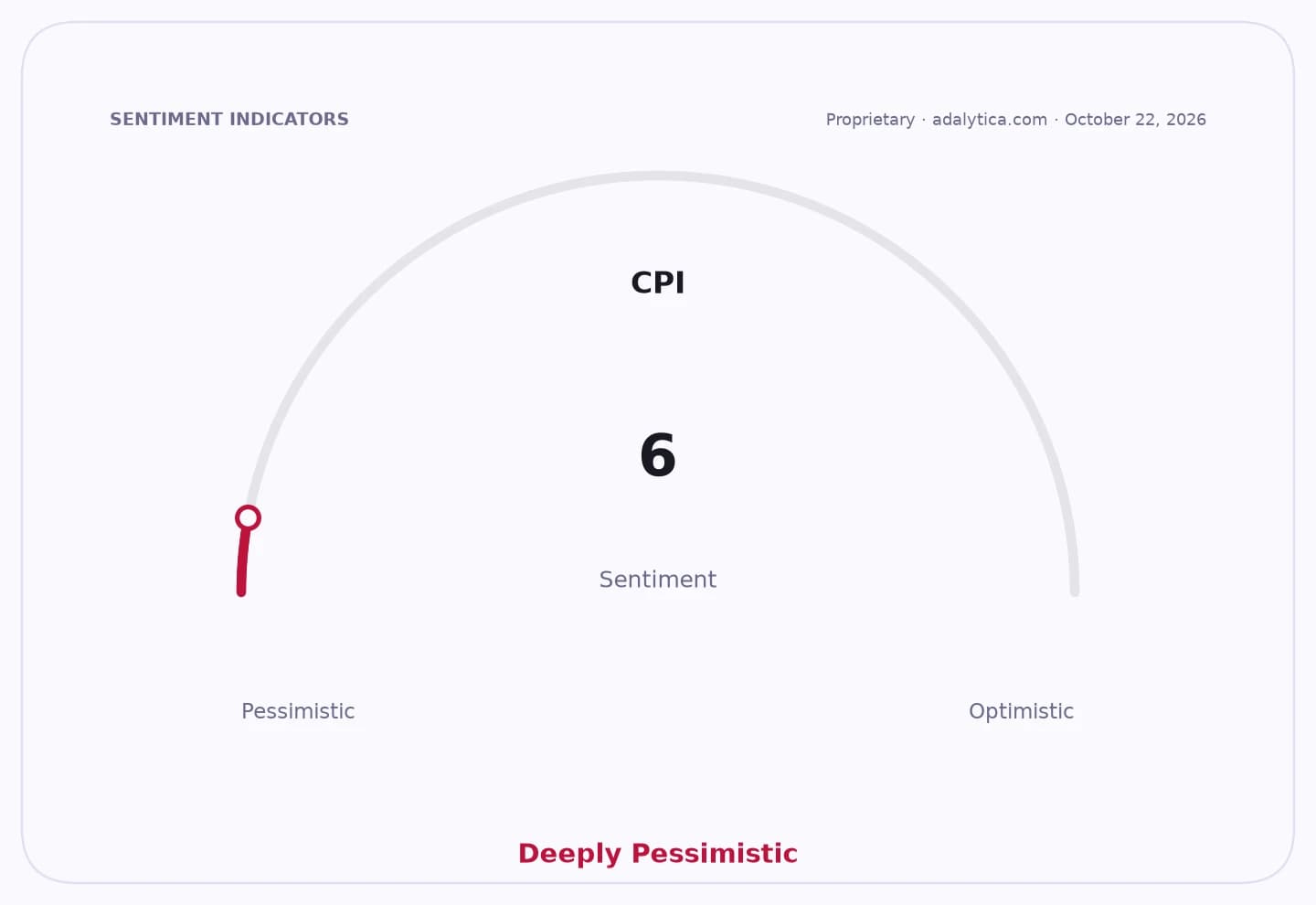
Sentiment Indicators
Economists Lulzim Beqiri and Safet Gërxhaliu say the government needs more institutional intervention and tighter market oversight. Their warning reflects a simple reality: if supply chains, retail markups and import dependence are left unchecked, price pressure can linger even when global commodity swings ease.
The data underline why consumers are feeling the pressure. Inflation in the broader U.S. economy, often a useful benchmark for global price trends, has been running much lower than the pace described in Kosovo, while oil prices remain volatile and can quickly feed through to transport and food costs. That kind of instability is especially punishing in import-heavy markets.
For investors, the story is less about a trade than about purchasing power, margins and resilience. Companies serving price-sensitive customers can face weaker volume growth if households cut spending, while importers and retailers may struggle to pass on costs without damaging demand. Over time, persistent inflation can also complicate policy, borrowing costs and investment planning.
The long-term takeaway is that Kosovo’s inflation problem is really a competitiveness problem. Unless the economy becomes less dependent on imported essentials and more effective at supervising pricing along the supply chain, citizens will keep bearing the heaviest burden. For now, this is a watchlist issue for anyone looking at the region’s consumer, retail or banking prospects over the next several years.
| Entity | Gains | Losses |
|---|---|---|
| Low-income households | ▲Harder to keep up spending | ▼Purchasing power |
| Import-dependent retailers | ▲Ability to raise prices | ▼Volume growth |
| Domestic consumers | ▲Little immediate relief | ▼Everyday affordability |
| Policymakers | ▲Push for reform | ▼Credibility if prices stay high |