Krakow’s mayoral race is tightening just as voters head toward the decisive second round, and that matters because Poland’s second-largest city is a bellwether for local power, public mood and the reach of the country’s main political camps.
Krakow mayoral runoff tightens before second round
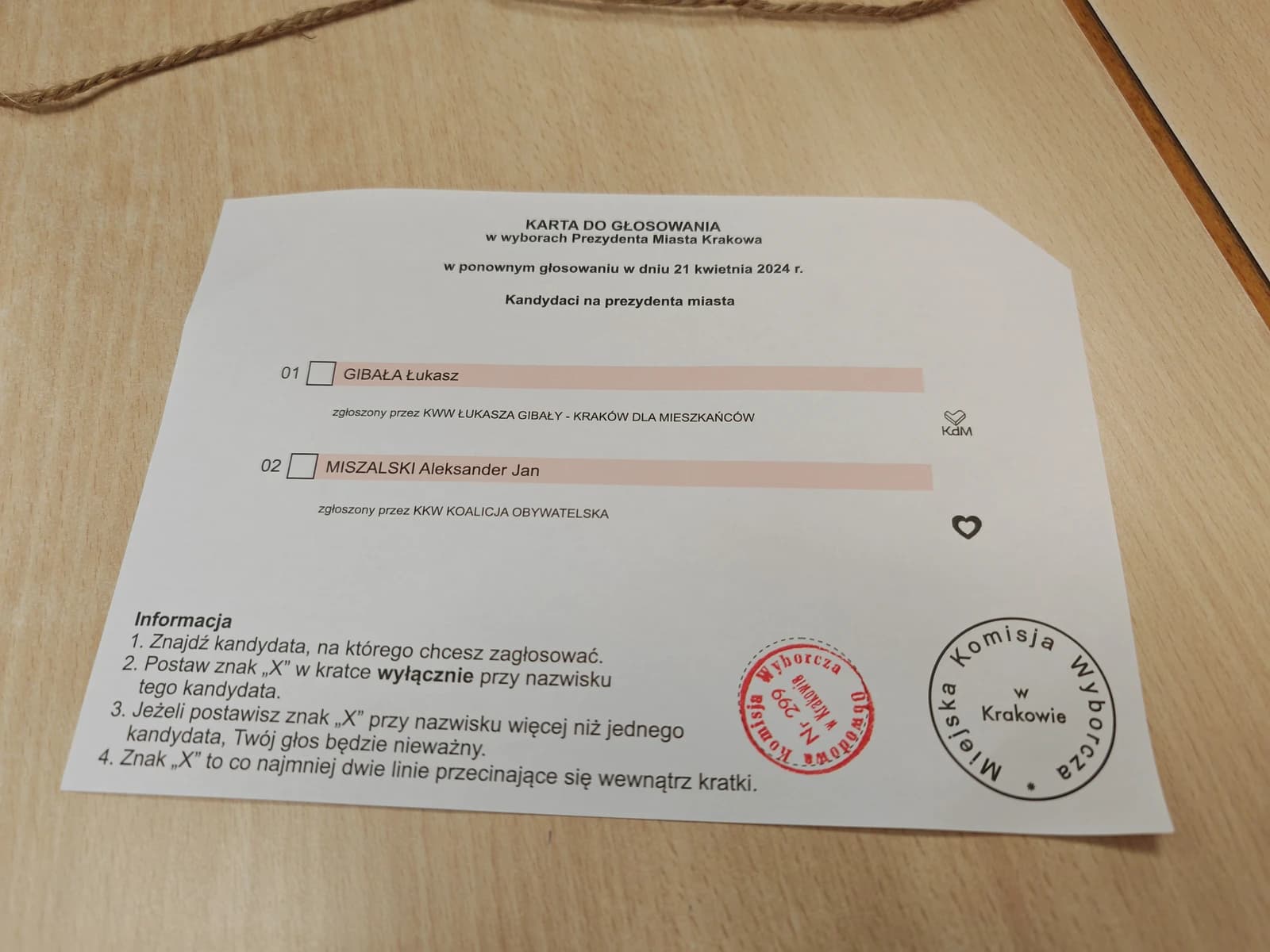
A new poll suggests Łukasz Gibała, who finished first in the opening round with 36.38% of the vote, no longer enjoys the commanding advantage many expected after election night. His lead over Monika Piątkowska, the KO- and PSL-backed senator and lawyer who took 29.91%, has narrowed enough to make the runoff look competitive rather than settled.
Sentiment Indicators
That shift matters economically and politically. Krakow is one of Poland’s most important urban centers, and its leadership affects everything from infrastructure spending and housing policy to the tone of relations between city hall and the national government. When the race looks fluid, it also signals a more divided electorate — one that can complicate policymaking and slow the kind of stable local agenda investors and businesses prefer.
For investors in Poland, the bigger takeaway is not a single municipal result but the broader message: political momentum can change quickly even when an independent candidate appears to have the upper hand. That is especially relevant in a country where local administration, EU-linked funding priorities and regulatory choices can influence regional development and sentiment toward Polish assets, including the zloty.
The latest readings from Adalytica’s Civic Platform sentiment gauge underline that volatility. The signal sits at 75, labeled “Greed,” but awareness is weak at 11, in “Extreme Fear,” and the measure has fallen 7 points in a day and 14 points over a week. In plain terms, enthusiasm is high among those paying attention, but the broader field is still hard to read — a recipe for a late swing if turnout or tactical voting changes.
The zloty, meanwhile, looks steadier but not immune to political noise. Adalytica’s Polish zloty trade signals show neutral sentiment at 65 and awareness at 46, with a strong 7-day and 30-day improvement, but a softer one-day reading. That suggests markets are not pricing in crisis, yet they are not ignoring the election either. Local political stability tends to support confidence, while surprise results can briefly rattle sentiment.
The narrative here is simple: Gibała remains in front, but the race is no longer a formality. If the poll is right, Krakow’s runoff is becoming a real contest, and that makes the city’s next leadership more consequential for local governance, broader Polish politics and market psychology alike.
Investors should treat it as a reminder that even municipal elections can matter when they affect spending priorities, policy continuity and confidence. Worth watching through the runoff, especially for anyone with exposure to Polish equities, the zloty or domestic infrastructure and property themes.
| Entity | Gains | Losses |
|---|---|---|
| Łukasz Gibała | ▲Momentum if he wins runoff | ▼Risk of a narrower mandate |
| Monika Piątkowska / KO-PSL | ▲Chance to close the gap | ▼Harder path after first-round deficit |
| Krakow voters | ▲More competitive runoff | ▼Less certainty on city direction |
| Polish assets / zloty bulls | ▲Stability if vote is orderly | ▼Short-term volatility if race tightens |