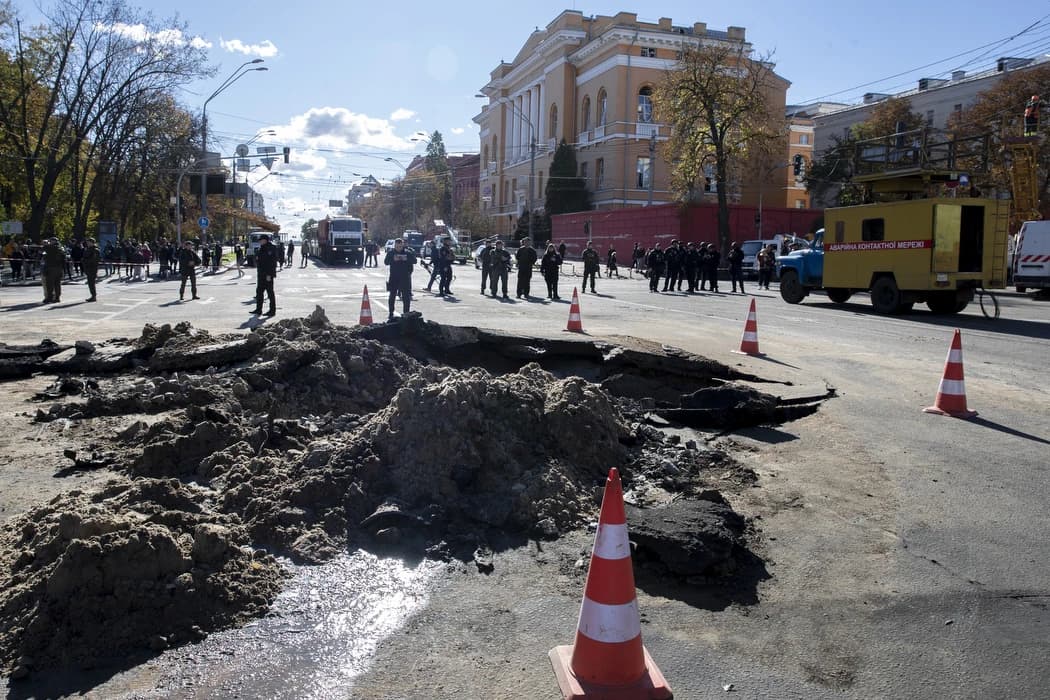
Russia has shifted its air campaign against Kyiv, using faster jet-powered drones to keep the Ukrainian capital under threat not just at night but throughout the day, intensifying pressure on civilians and complicating efforts to restore normal economic activity.
Kyiv daytime drone attacks disrupt economic activity
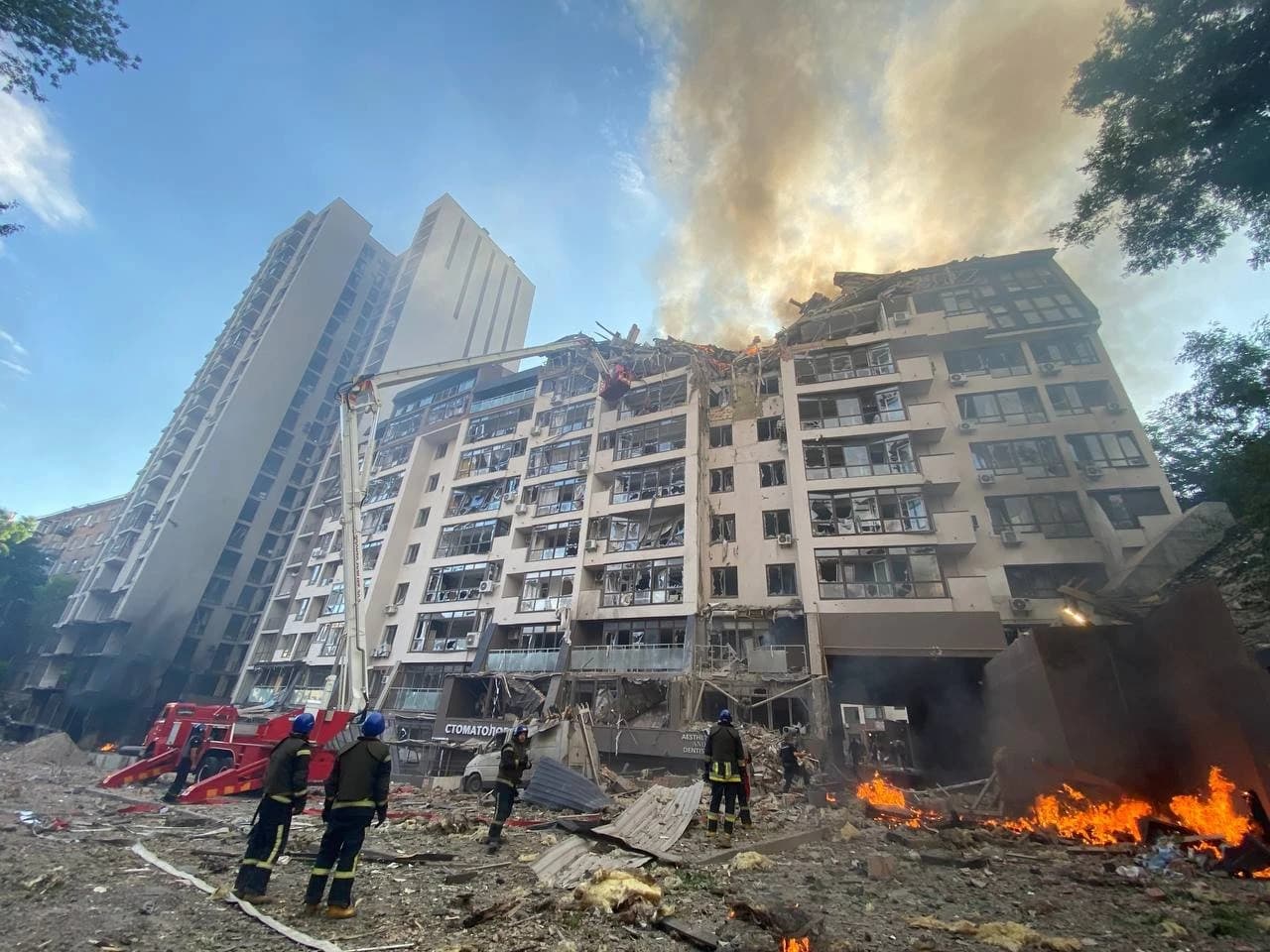
The change matters because it widens the economic cost of the war beyond destruction to persistent disruption. When air raid sirens now interrupt commuting, shopping, schooling and banking from morning to night, the damage is no longer confined to emergency shelters and nighttime outages. It becomes a drag on labor productivity, consumer spending, transport and business continuity in a city that remains central to Ukraine’s political and economic life.
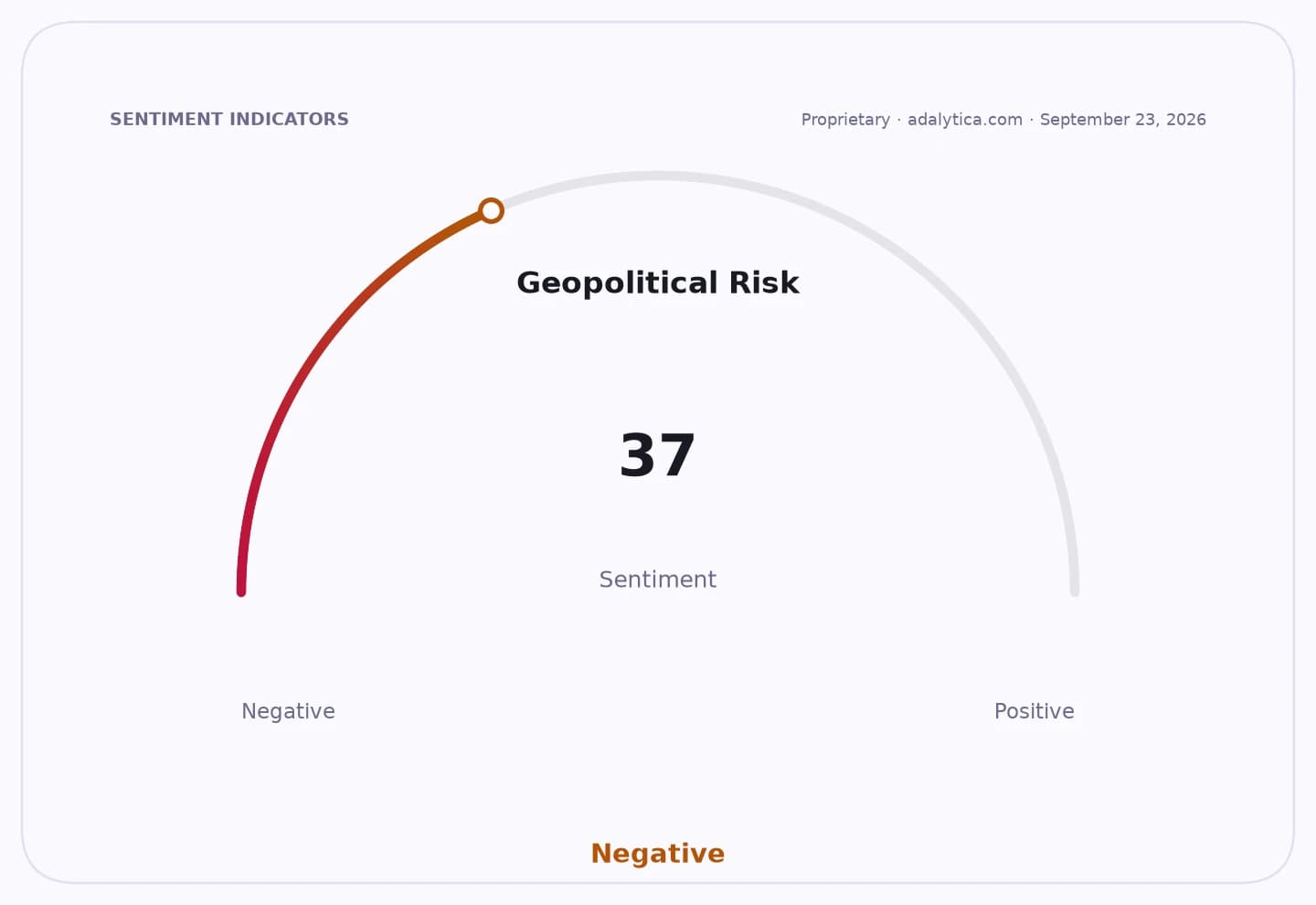
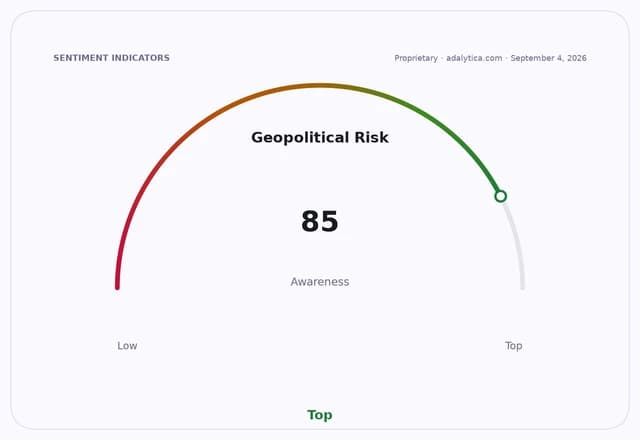
Sentiment IndicatorsⓘProprietary · adalytica.com · September 4, 2026
This is a snapshot — live sentiment, awareness and momentum for 130+ markets update continuously in the dashboard.Open AlphaPulse
For investors and policymakers, the shift underscores how Moscow is adapting to Ukrainian air defenses and trying to raise the psychological and operational cost of staying in Kyiv. Repeated daytime alerts force malls, banks and other businesses to evacuate customers and staff, while train travel takes longer and ride-hailing services become unreliable when GPS is jammed. That kind of friction matters for an economy already running under war conditions because it chips away at output even when buildings are not directly hit.
Zelenskiy’s remarks that he hopes to host Donald Trump’s envoys in Kyiv in the coming days add a diplomatic dimension to the escalation. Washington’s special envoys Steve Witkoff and Jared Kushner have been shuttling between Moscow and other capitals, but have not yet visited Kyiv. Their first stop in the Ukrainian capital, if it happens, would come as Russia intensifies strikes and as Kyiv looks to keep the White House engaged after attention shifted toward the Iran conflict.
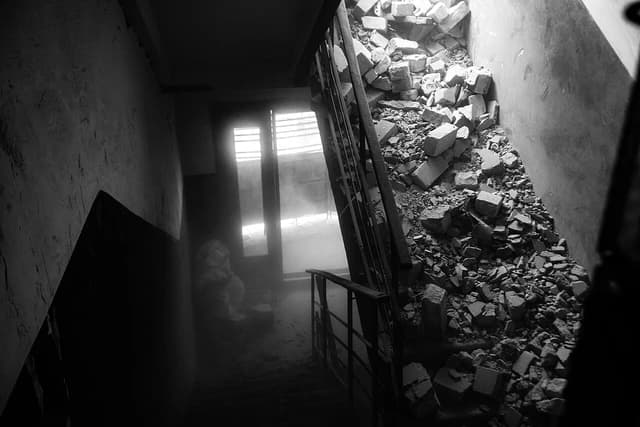
The human toll remains the immediate backdrop. Residents describe air raid alarms as a near-continuous part of daily life, with children moved repeatedly into shelters, office work interrupted and some families considering leaving the city altogether. For Ukraine, that is not just a morale issue. It threatens population stability, retail activity and the ability of firms to hold on to workers, especially in services and technology where flexibility and connectivity matter.
The strategic picture is also changing. By using quicker drones in daylight, Russia appears to be trying to break the rhythm that once let Kyiv’s residents expect relative normality after sunrise. That forces Ukraine to spend more on air defense, resilience and infrastructure repairs while making every successful interception less economically decisive than the cumulative burden of repeated alerts.
For investors watching the war, the key takeaway is that escalation is increasingly measured not only in territory or casualty counts but in the extent to which daily economic life can function under fire. Any sign of renewed diplomacy could ease that pressure, but until then, Kyiv’s daytime disruptions suggest Russia is pursuing a longer campaign of attrition against the city’s civilian and economic endurance.
| Entity | Gains | Losses |
|---|---|---|
| Russia | ▲More disruption leverage | ▼International goodwill |
| Ukraine civilians | ▲None | ▼Daily normalcy |
| Ukrainian businesses | ▲Air defense demand | ▼Sales and productivity |
| U.S. envoys / diplomacy | ▲Renewed relevance | ▼Higher pressure to deliver |