Russia attacked Kyiv on Friday, hitting the capital’s civilian infrastructure and causing casualties, according to Kyiv Mayor Vitali Klitschko, in a fresh reminder that the war’s economic and market risks remain tied to the security of Ukraine’s cities as much as the front line.
Kyiv hit in Russian attack on civilian infrastructure
The immediate significance is not only humanitarian. Strikes on the capital raise the risk of disruption to logistics, utilities, government functions and business activity in a country still operating under wartime constraints. Each major attack also adds pressure on Ukraine’s already stretched emergency services and reinforces the case for continued military and financial support from Western allies.
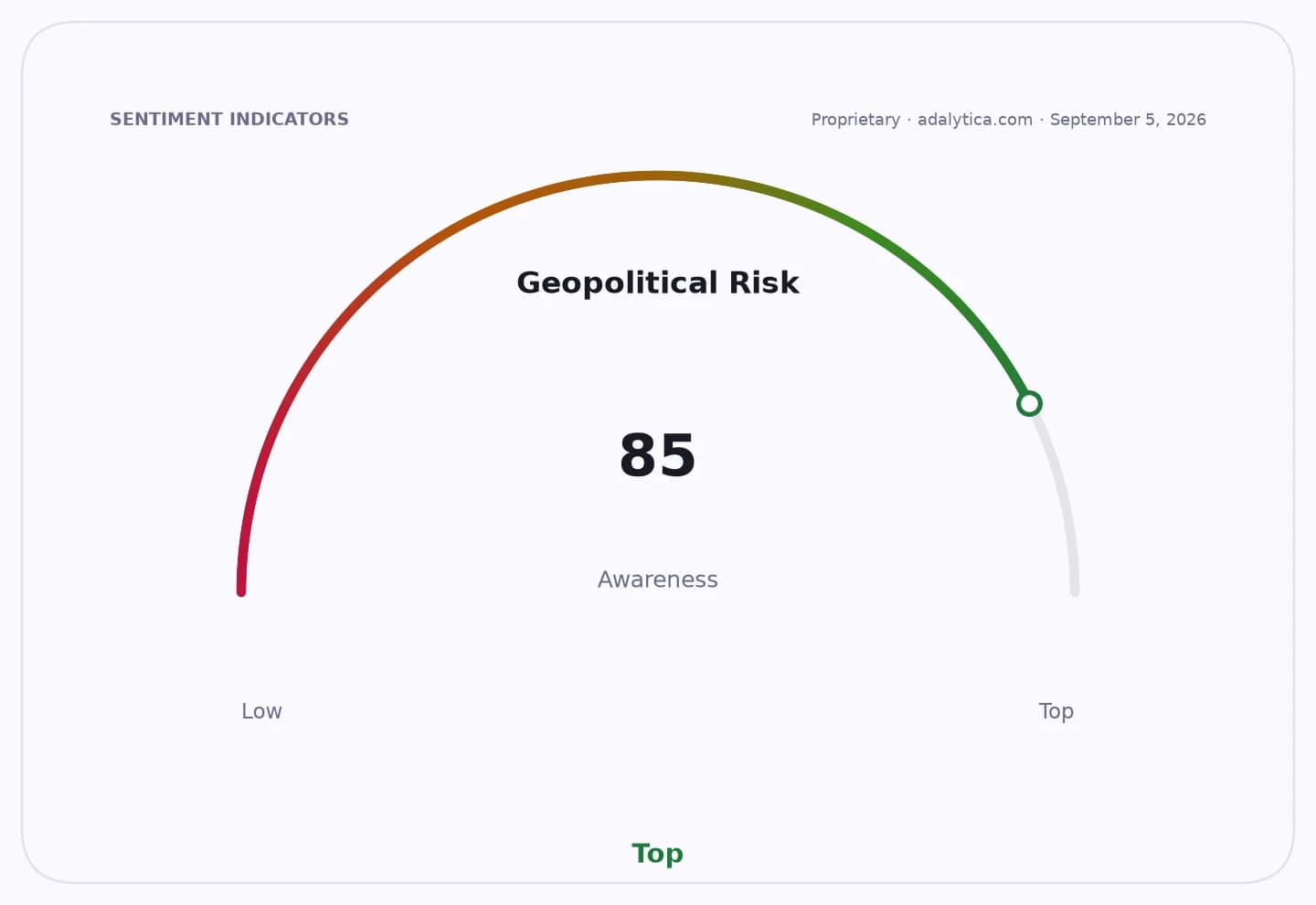
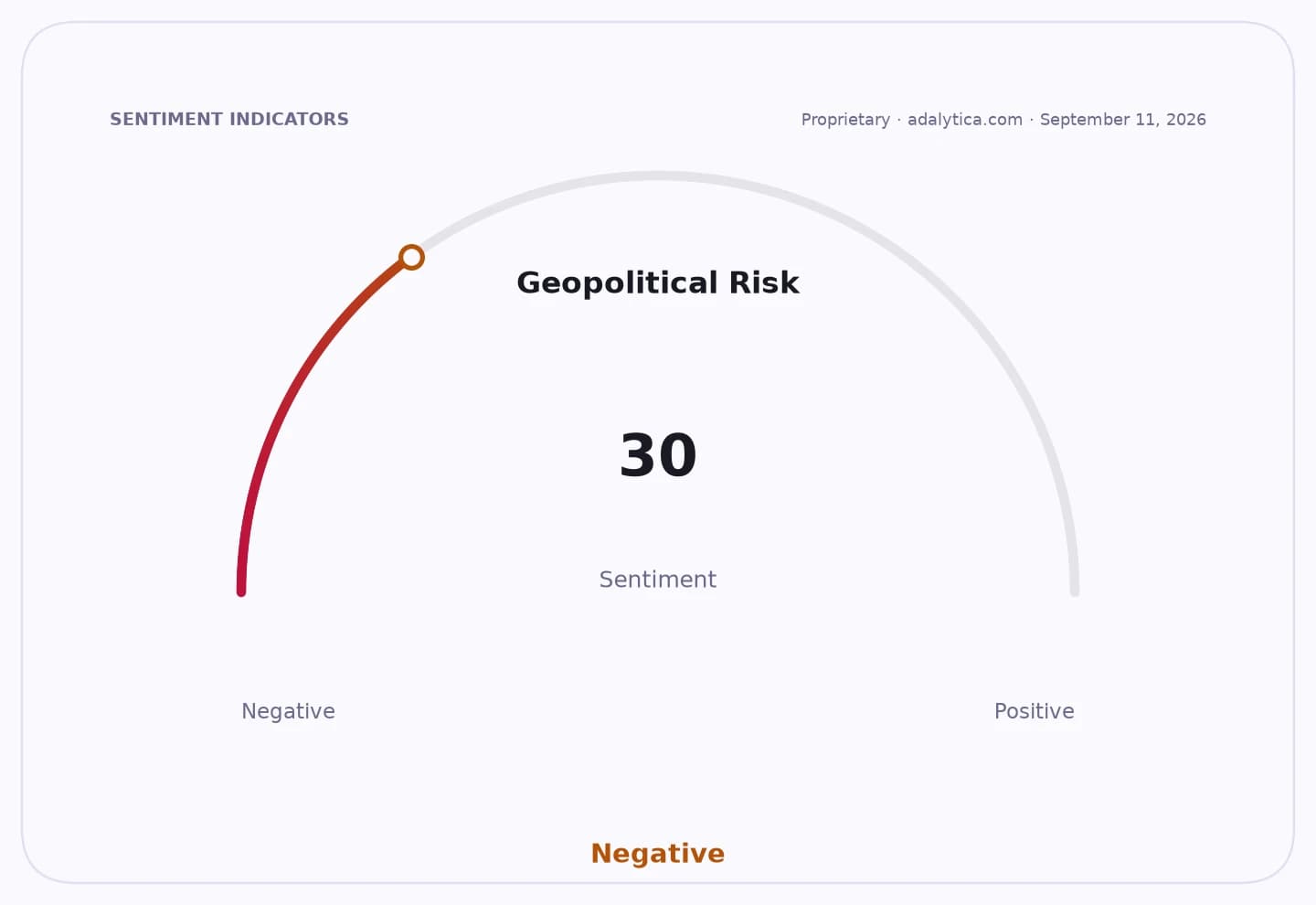
Sentiment IndicatorsⓘProprietary · adalytica.com · September 11, 2026
This is a snapshot — live sentiment, awareness and momentum for 130+ markets update continuously in the dashboard.Open AlphaPulse

Local reports said a fire broke out after the strike and that medics were dispatched to the Holosiivskyi district, with the number and condition of the injured still being confirmed. The reporting suggested civilian infrastructure was the target, a pattern that has repeatedly forced repairs, emergency power measures and temporary shutdowns across Kyiv and other Ukrainian cities.
For investors, the market relevance is broader than a single blast. Escalation in Kyiv can unsettle European risk appetite, support defensive assets and keep geopolitical volatility elevated across energy, industrial and defense names. It also underscores the vulnerability of supply chains and infrastructure-linked assets to renewed attacks, even when the conflict appears static on the battlefield.
That matters because markets have tended to treat Ukraine headlines as episodic unless they threaten a wider regional spillover. But attacks on the capital can quickly reprice expectations around war duration, reconstruction needs and the pace of foreign assistance. Any sign of sustained escalation also tends to support demand for haven assets and defense exposure while weighing on sentiment toward the euro area more broadly.
The bigger narrative is that the war remains a live macro shock, not a contained military event. As long as Kyiv is under fire, investors will continue to price not just battlefield risk, but the chance of renewed damage to civilian infrastructure, energy systems and the political resolve needed to sustain Ukraine’s economy.
| Entity | Gains | Losses |
|---|---|---|
| Ukraine defense/aid supporters | ▲stronger case for support | ▼higher burden from escalation |
| Defense contractors | ▲firmer demand outlook | ▼none directly |
| European risk assets | ▲temporary defensive bid less likely | ▼higher geopolitical premium |
| Kyiv civilians and businesses | ▲none | ▼damage, disruption, casualties |