Kyrgyzstan’s public debt structure is coming under scrutiny as elevated global borrowing costs keep financing expensive and widen the gap between sovereigns that can tap markets cheaply and those that cannot.
Kyrgyzstan public debt structure under scrutiny

For investors, the mix of public debt matters because it determines how vulnerable a country is to refinancing risk, currency swings and shifts in global rates. When benchmark U.S. yields sit near 4.76% and high-yield credit spreads remain around 2.79 percentage points, the cost of rolling over debt for lower-rated borrowers stays elevated even after recent easing.
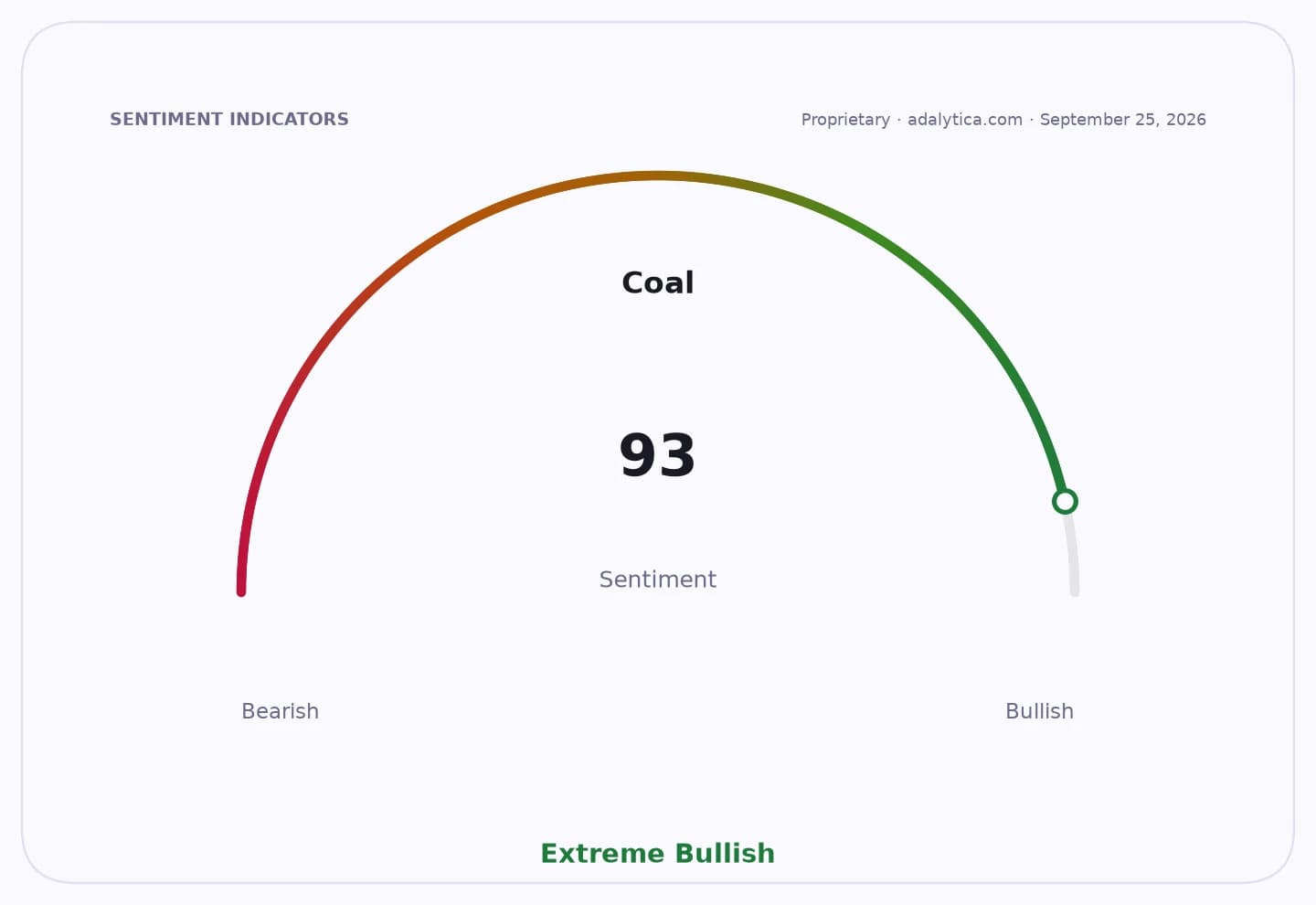
Sentiment IndicatorsⓘProprietary · adalytica.com · August 5, 2026
This is a snapshot — live sentiment, awareness and momentum for 130+ markets update continuously in the dashboard.Open AlphaPulse
That leaves countries with large external funding needs more exposed to tighter conditions. In practice, a heavier reliance on foreign-currency debt can raise repayment pressure if local revenues weaken or the domestic currency comes under strain, while cheaper domestic borrowing can reduce that risk but may crowd out private credit.
The backdrop is still mixed for emerging and frontier markets. The Federal Reserve funds rate is holding around 3.63%, suggesting U.S. policy is not yet fully back to pre-tightening conditions, and global stability sentiment remains extremely elevated at 93, signaling investors are still willing to take risk — but at a price.
For Kyrgyzstan, the key question is not just how much debt it carries, but who holds it, in what currency and on what terms. Those details will shape debt sustainability, budget flexibility and the country’s ability to fund growth without leaning further on expensive refinancing.
Investors will be watching for any disclosure on maturity profiles, creditor composition and whether policymakers pursue longer-dated or concessional funding to reduce pressure from high rates.
| Entity | Gains | Losses |
|---|---|---|
| Kyrgyz government | ▲More clarity on refinancing needs | ▼Higher debt-service burden |
| Existing creditors | ▲Better visibility on repayment profile | ▼Greater restructuring risk |
| Domestic borrowers | ▲Potential relief if concessional funding rises | ▼Crowding out from public borrowing |
| Foreign-currency lenders | ▲Exposure to sovereign funding demand | ▼Currency and rollover risk |