Young workers are finding it harder to break into the job market, and that’s forcing companies to rethink what they want from managers, recruiters and the whole hiring playbook.
Labor-market strain favors HR software and staffing
That matters because labor markets are no longer being shaped just by job openings and unemployment. They’re being shaped by speed, digital fluency and the ability to match people to roles quickly. In a market where graduates are sending out hundreds of CVs and still coming up empty, the old relationship-driven, slow-moving hiring model is becoming less useful — and for investors, that creates winners in workforce software, staffing, payroll and advisory services while pressuring companies that fail to modernize.
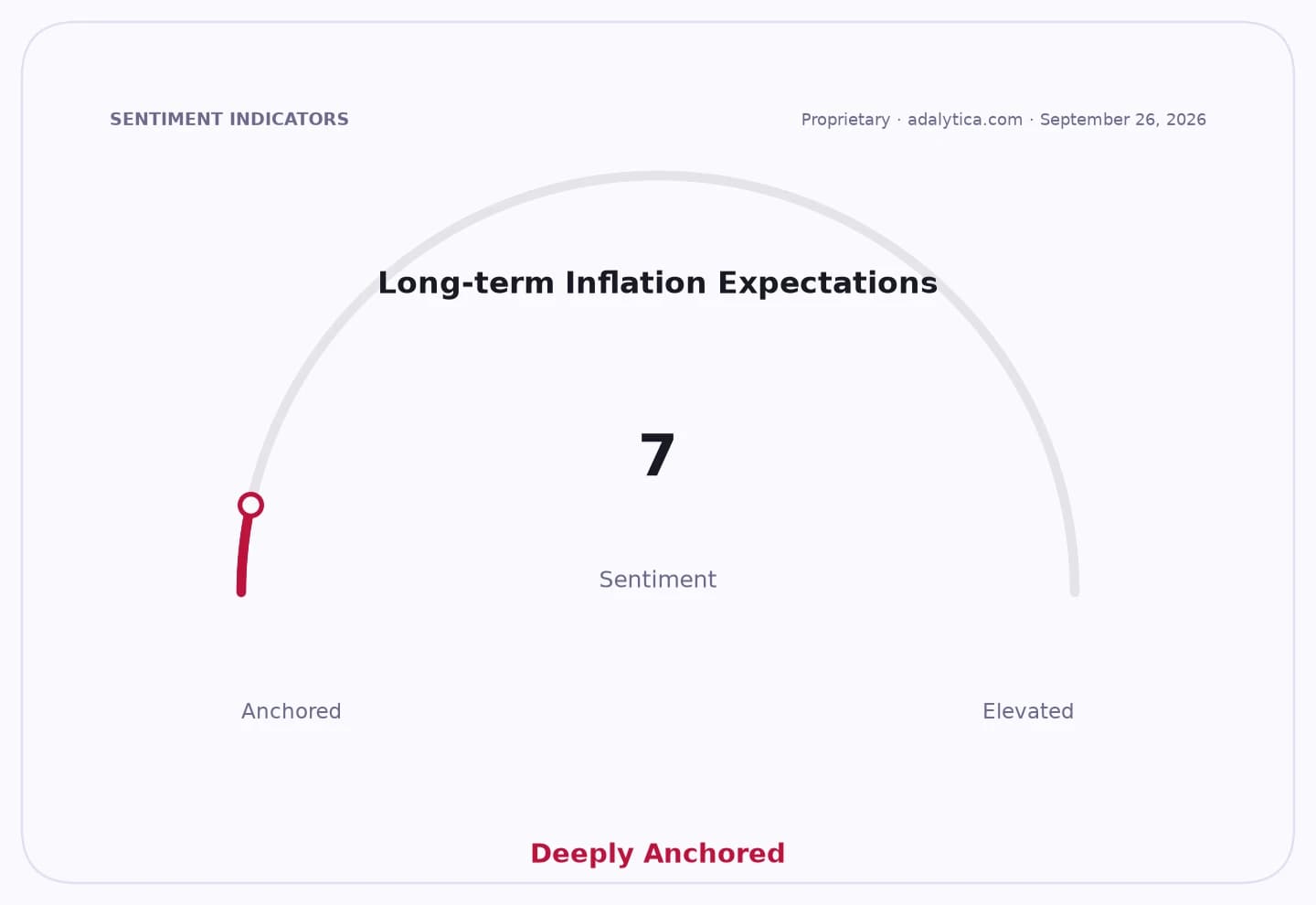
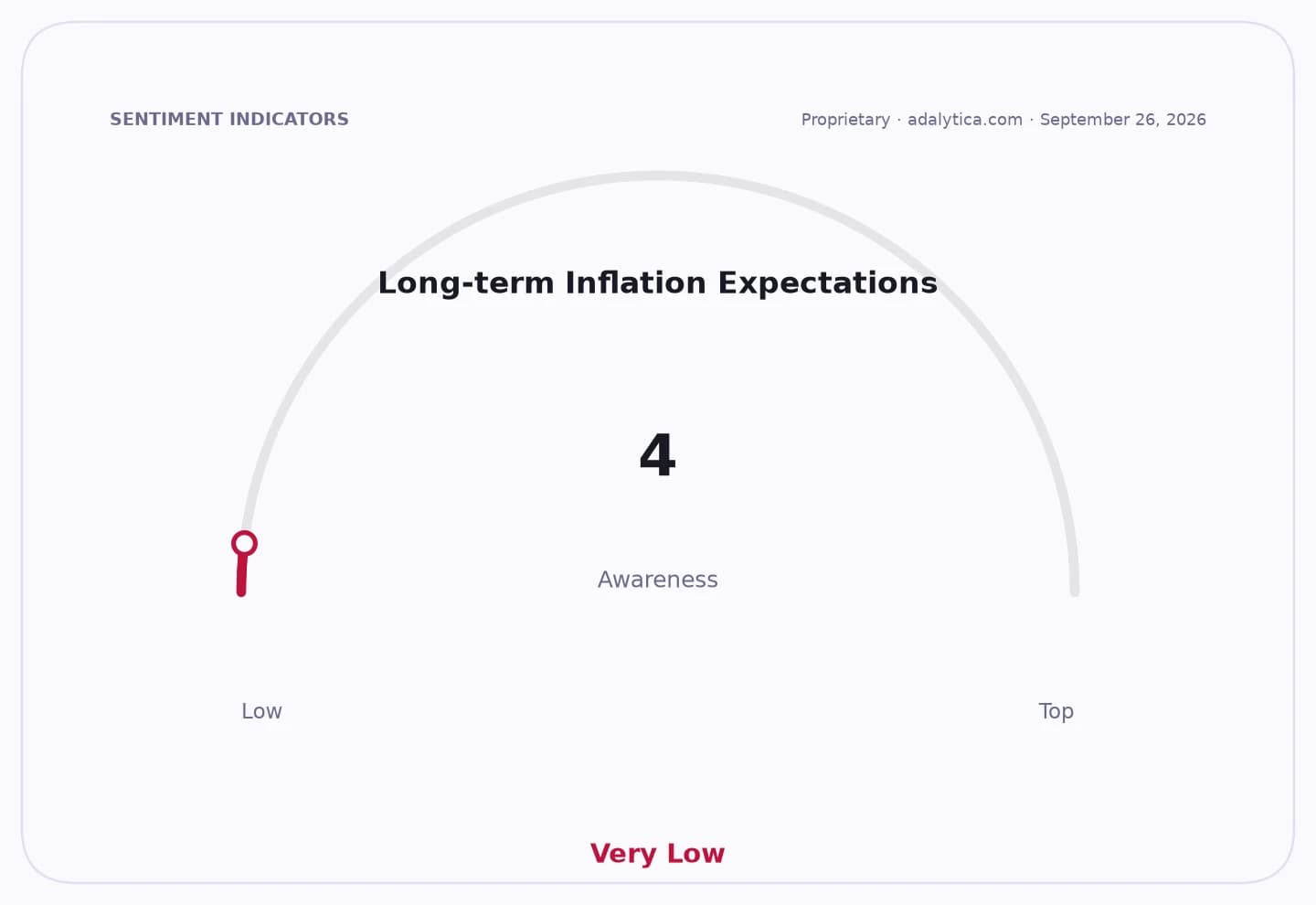
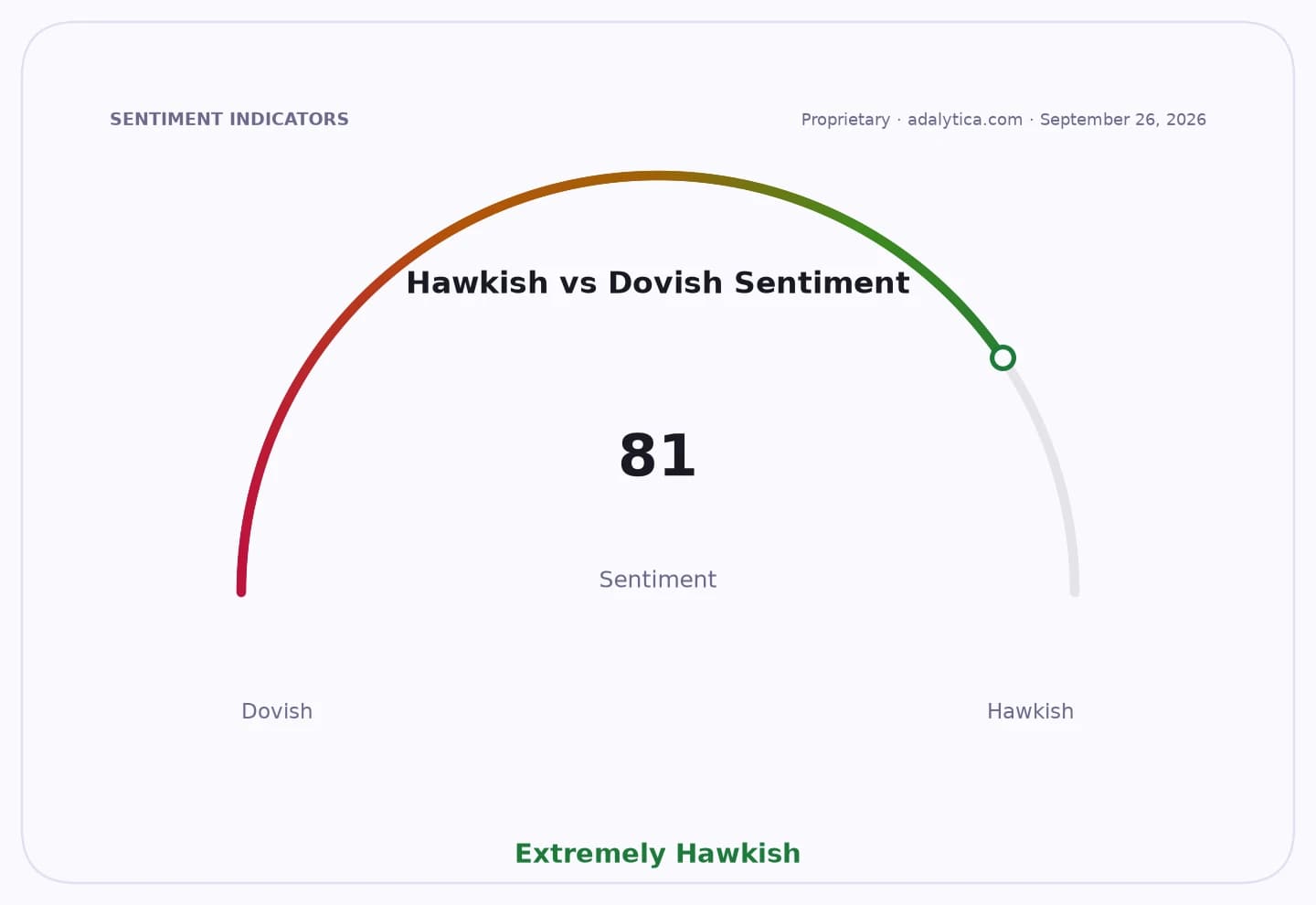
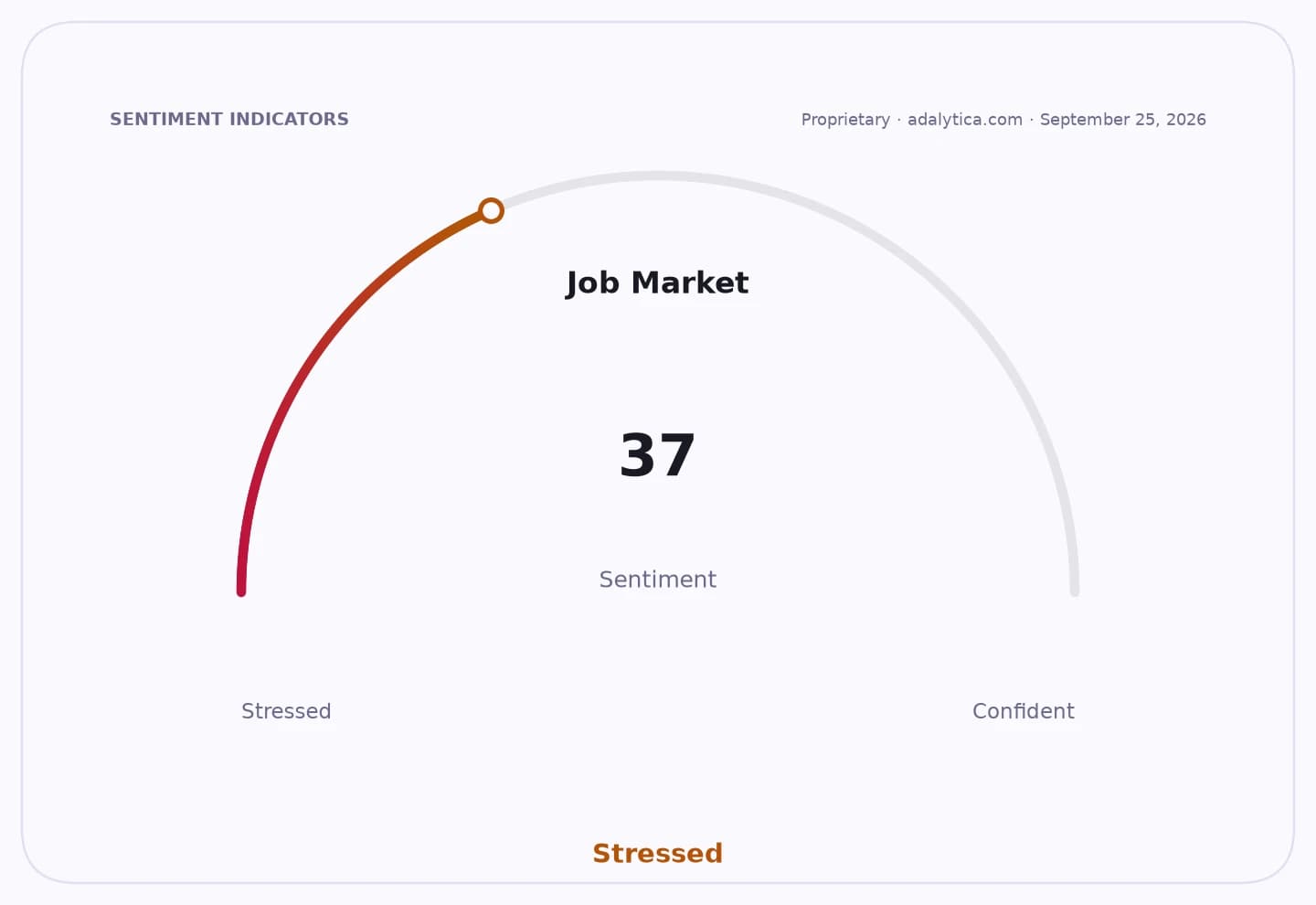
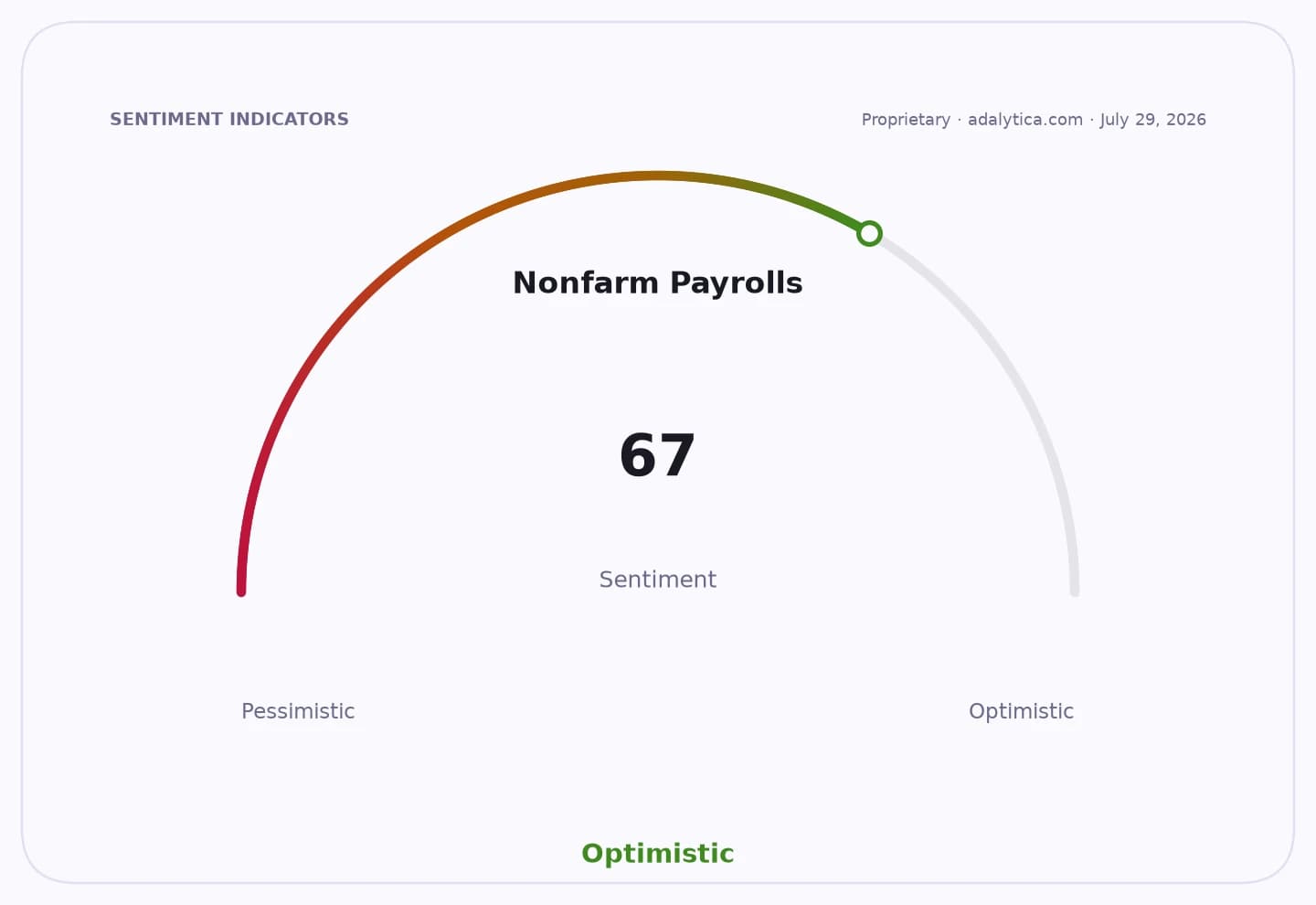
Sentiment IndicatorsⓘProprietary · adalytica.com · July 29, 2026
This is a snapshot — live sentiment, awareness and momentum for 130+ markets update continuously in the dashboard.Open AlphaPulse
The broad labor backdrop is still resilient, but it is changing in a way that matters for growth. The unemployment rate was 4.2% in June, with a forecast of 4.18% for July, while nonfarm payrolls are still expected to rise to 159.17 million from 158.98 million. That suggests the overall jobs market is not breaking down. But it is also not evenly helping new entrants, especially young graduates trying to land their first role.
That gap between aggregate strength and lived experience is exactly why employers are being pushed to adapt. The challenge is not just finding labor; it is finding the right labor faster, with better data and better systems. Companies still face shortages in some areas, while industry is shedding jobs in others. Public-sector hiring is slowing, regional unemployment remains uneven and younger workers are running into a tougher entry point even when they have degrees.
UNRATE vs PAYEMS — macro contextadalytica.com
Explore this data interactively — full history, time series and cross-market comparisons.Open AlphaPulse
For investors, this is where the story gets interesting. Human-capital firms such as ADP, Korn Ferry and ManpowerGroup sit at the center of this transition. ADP’s stock has climbed back above its 50-day and 200-day moving averages, a sign that investors are once again willing to pay for durable payroll and HR cash flows. ManpowerGroup has staged an even stronger rebound, while Korn Ferry has also recovered, reflecting hopes that companies will lean harder on outside expertise as hiring gets more complex. These are not just staffing names; they are picks and shovels for a labor market that is becoming more digital, more selective and more data-driven.
That shift also supports a longer-term investing thesis. Companies that can automate recruiting, improve matching, and help employers build flexible workforces should gain share over time. Paychex and Paychex-owned Paycor fit that trend, and so do firms that offer assessment, succession planning and talent analytics. The secular move is away from “who you know” hiring and toward systems that can process talent at scale. In other words, the winners are likely to be the businesses helping employers move faster and make better decisions, not the ones stuck defending old habits.
There are risks, of course. If hiring cools too much, staffing volumes can weaken. If companies delay investment, revenue growth for HR-service providers can be choppy. And if the economy slows sharply, the pain tends to hit younger workers first, which can keep turnover, wage pressure and recruitment friction elevated. But that is also why the best operators in this space can be resilient: even in a softer economy, employers still need to hire, retain and reorganize.
The bigger takeaway for investors is simple. Labor markets are becoming more specialized, more digital and less forgiving of slow management. That should reward the companies that help employers recruit, screen, place and manage workers efficiently over the next three to 10 years. If you’re building a long-term portfolio, this is a trend worth watching closely — and in some cases, adding to the watchlist.
| Entity | Gains | Losses |
|---|---|---|
| ADP, Paychex, Korn Ferry, ManpowerGroup | ▲More demand for modern hiring tools | ▼Slower-growth legacy recruiters |
| Employers adopting digital HR systems | ▲Faster, better talent matching | ▼Old-school managers |
| Young graduates with degrees | ▲Better access if systems improve | ▼Higher entry barriers today |
| Workers and job seekers | ▲More transparent hiring process | ▼Relationship-based gatekeeping |