Lagos Governor Babajide Sanwo-Olu has commissioned 165 residential units at Treasure Estate in Ogombo, a small but meaningful addition to a housing market where supply remains tight and affordability is still a major pressure point for residents and investors.
Lagos commissions 165 homes at Treasure Estate
Housing
That matters because Lagos is Nigeria’s commercial hub, and its housing shortage has real economic consequences: high rents squeeze household spending, workers live farther from jobs, and businesses face a cost base that is harder to control. For long-term investors, especially those looking at Nigeria’s property market or the broader consumer economy, every new tranche of deliverable housing helps reduce one of the biggest structural bottlenecks in the state.
Sentiment Indicators
The estate, developed jointly by the Lagos State Development and Property Corporation and AKF Properties, includes one-, two- and three-bedroom apartments, terrace houses and duplexes. It also comes with features that matter to buyers in a market where reliability is often the differentiator: 24-hour security, CCTV, independent power, treated water, drainage, parking, a swimming pool, gym and mini football pitch. In other words, this is not just about adding units — it is about packaging homeownership in a way middle-income Lagosians may actually use.
Sanwo-Olu also said the government has arranged mortgage financing at single-digit interest rates, which is the more important signal for investors. Housing supply alone does not solve affordability if financing remains out of reach. Lower-rate mortgages can unlock demand, support sales velocity and improve the economics of private developers willing to partner with the state. Over time, that kind of policy support can deepen the local housing market and create a more investable pipeline for builders, lenders and infrastructure providers.
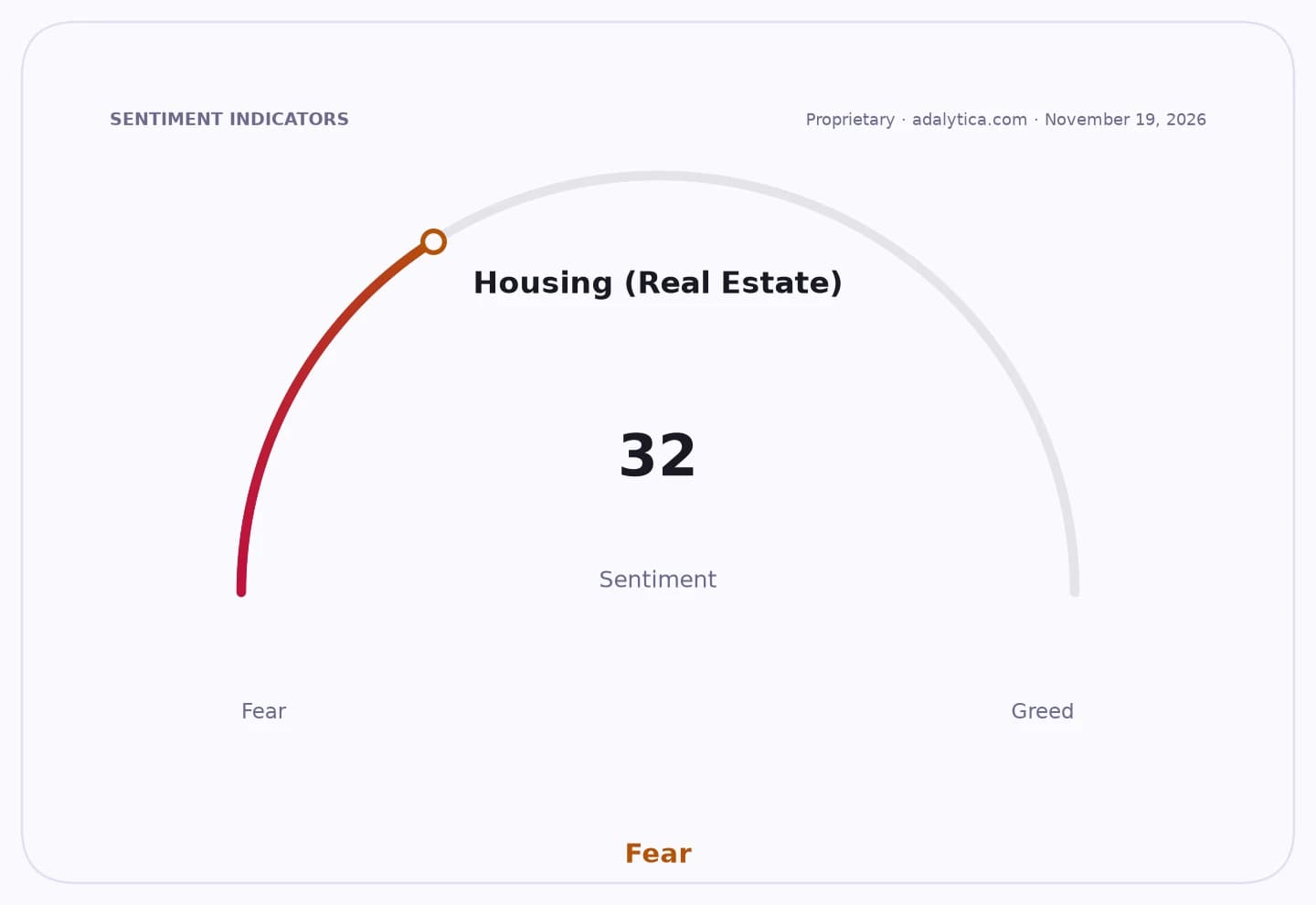
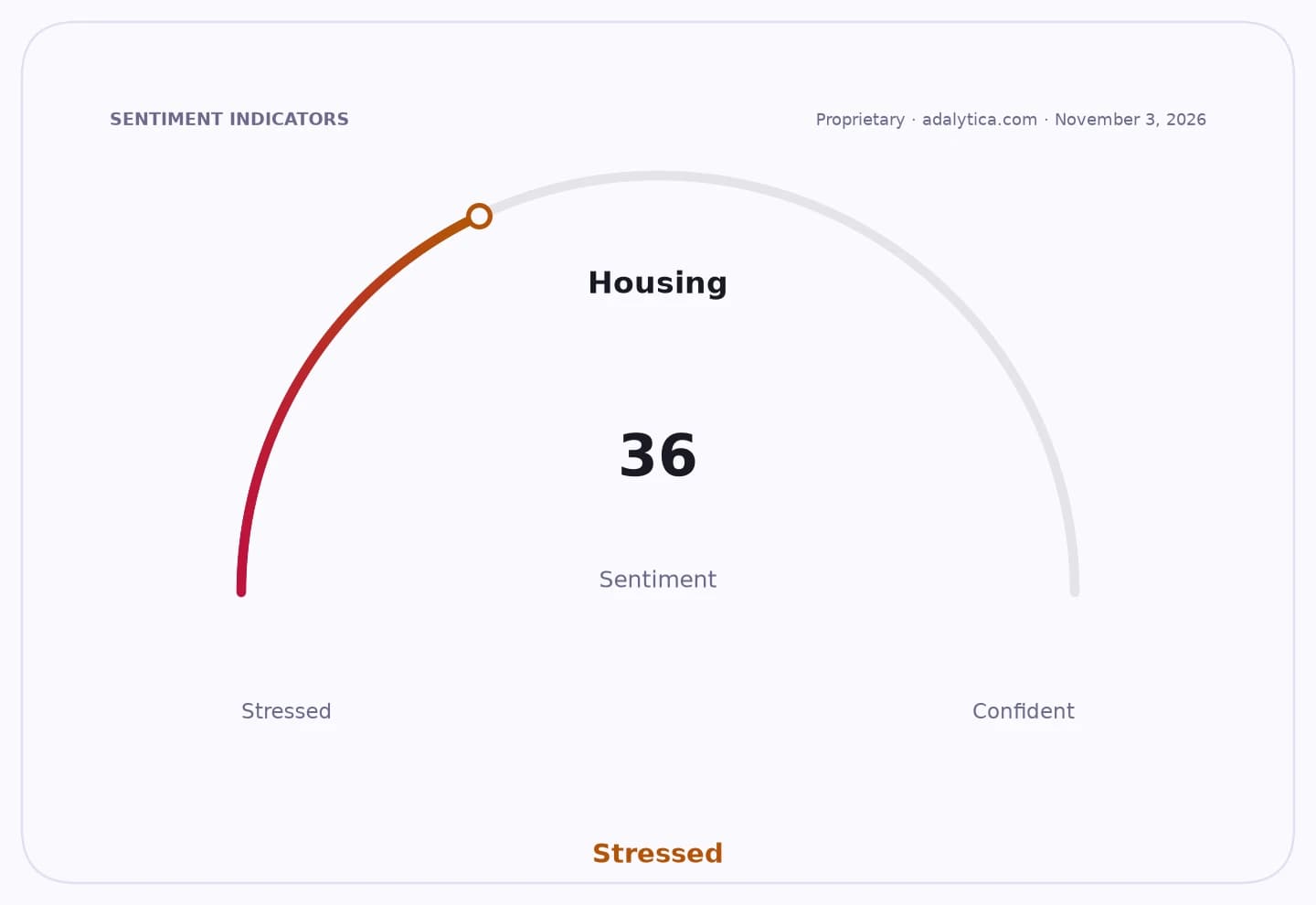
The timing is notable. Housing sentiment remains bruised, with Adalytica’s Housing Fear & Greed Index showing extreme fear, even as inflation pressure around housing and rent remains elevated. That combination usually means affordability is poor, confidence is weak and demand is being held back by financing constraints rather than lack of need. For investors, that is exactly the sort of environment where durable policy support can matter more than a headline-grabbing launch.
The broader takeaway is simple: Lagos is still trying to build its way out of a housing deficit, and each new project is incremental, not transformative. But incremental matters in a market as large and stressed as this one. If the state can keep pairing public land and private capital with cheaper mortgages, housing could become a steadier long-term theme for developers, contractors, lenders and utility providers. For now, Treasure Estate is worth watching as another sign that the city is still pushing hard on one of its most important economic problems.
| Entity | Gains | Losses |
|---|---|---|
| Lagos residents/homebuyers | ▲More supply, better amenities | ▼Housing scarcity eases only slowly |
| LSDPC and AKF Properties | ▲Sales, policy backing | ▼Execution risk, margin pressure |
| Banks/mortgage providers | ▲New lending volume | ▼Lower-rate lending caps yields |
| Rents in Lagos | ▲Potential long-term relief | ▼Elevated pricing power fades |