Russia is moving to make escrow accounts mandatory for almost all mortgages used to build private homes, a shift that would protect borrowers but force individual housing builders to finance construction with their own cash or bank loans until completion.
Russia to require escrow for private-home mortgages
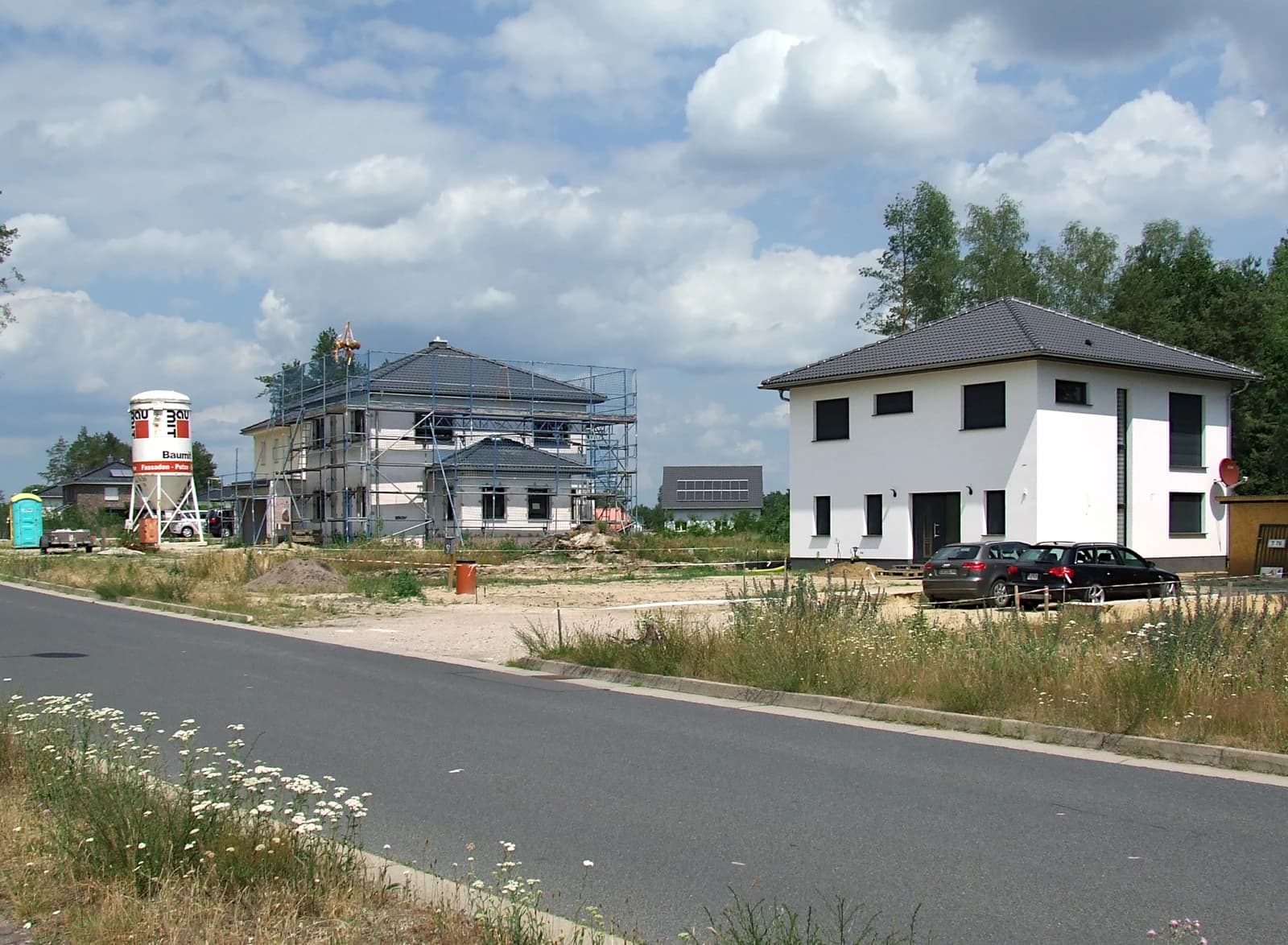
The bill, submitted to the State Duma, would extend a system already used in apartment construction and, since mid-2024, in subsidized loans for private homes. Under the new rules, developers would only get paid after the house is finished and handed over, while buyers would get their money back if the project stalls.
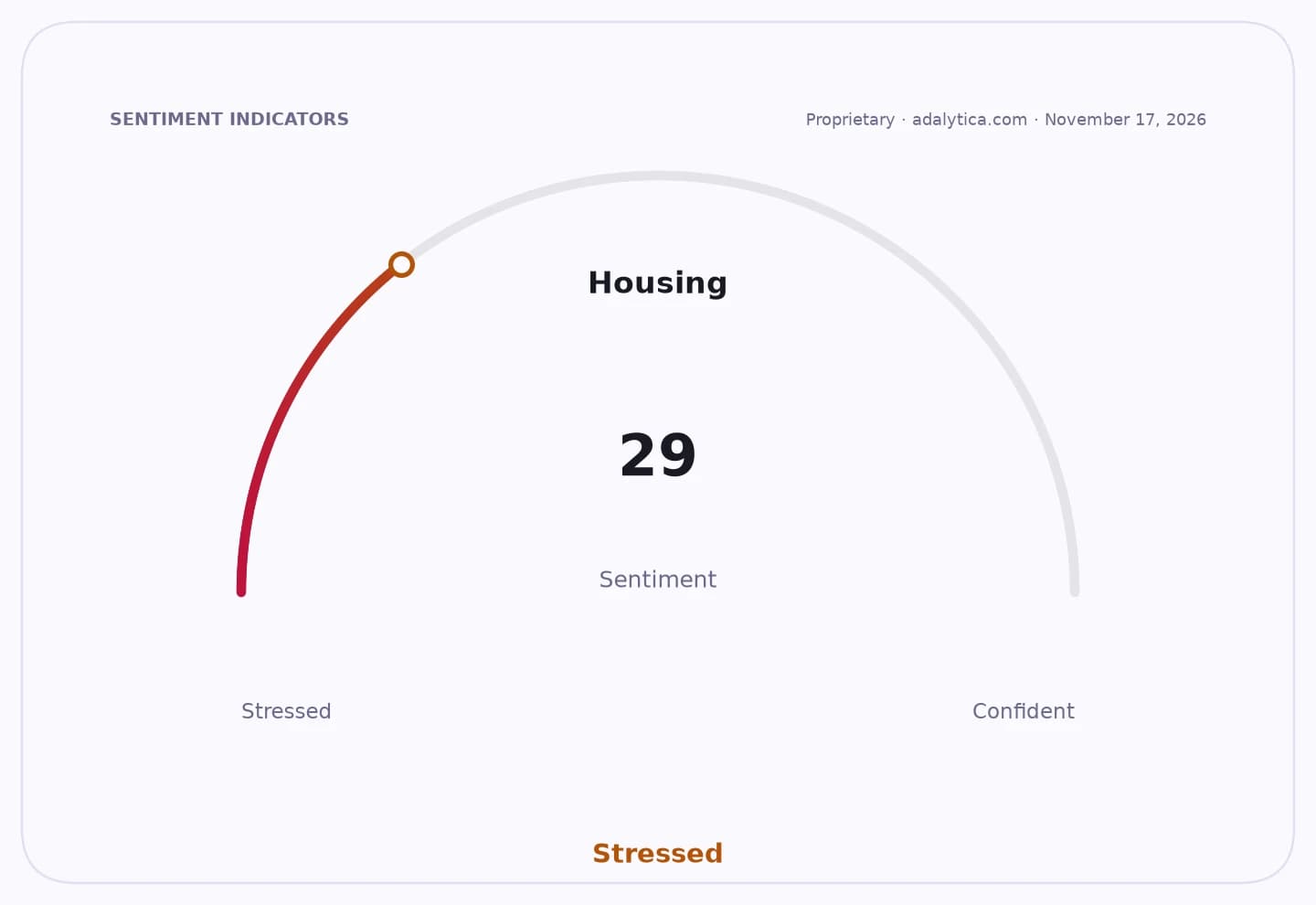
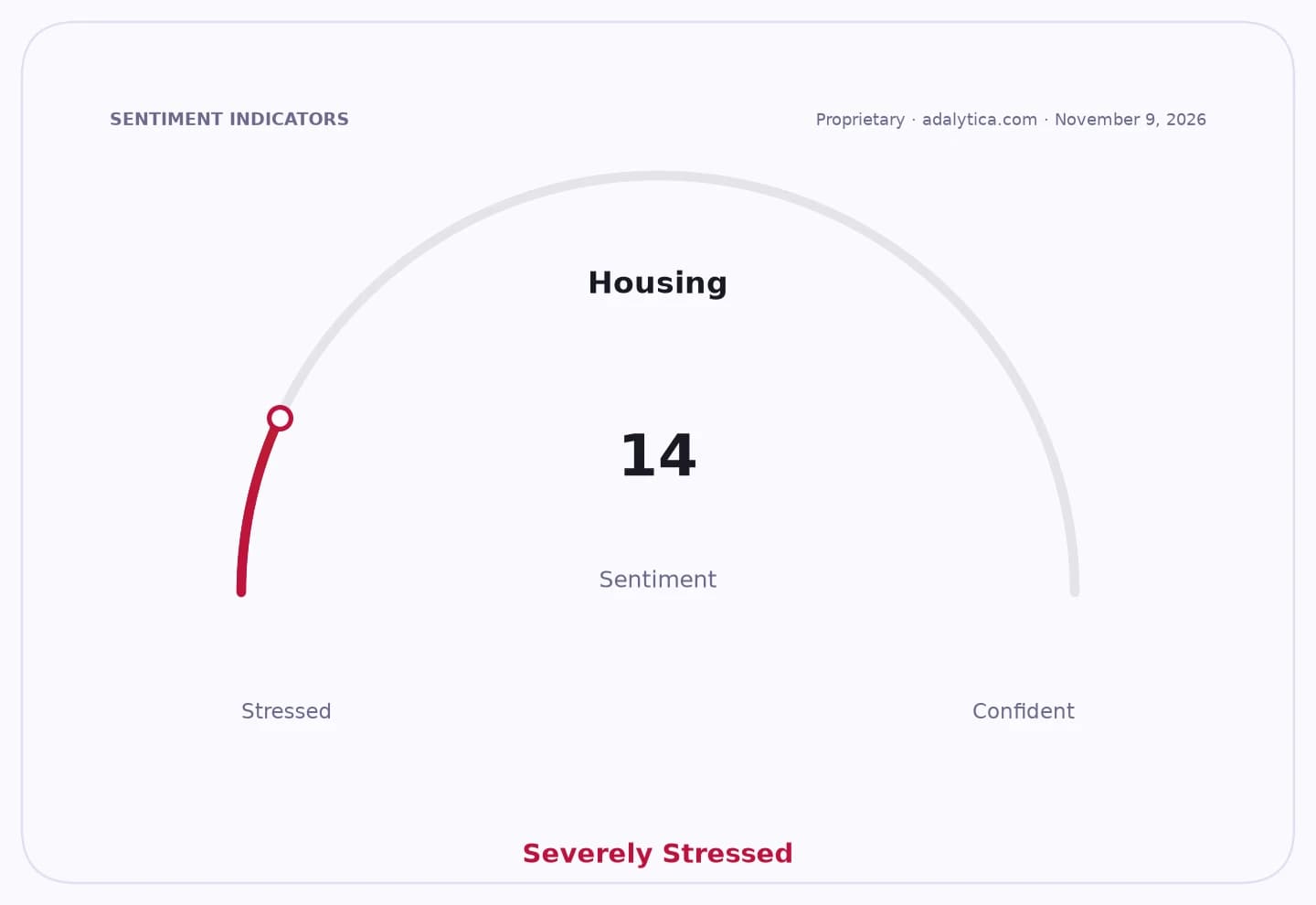
Sentiment Indicators
That matters because the individual housing construction market has been built around advance payments and working-capital funding. Lawmaker Alexander Aksenenko said about 20,000 families have already been hurt by contractors disappearing with money or walking away mid-build, while the central bank says the most severe cases involve 5,000 clients.
The economics are blunt: escrow reduces fraud and makes mortgage risk cleaner for banks, but it also freezes contractor cash flow. Smaller builders, which often lack access to project financing, are likely to be squeezed first, and some may exit the market entirely if they cannot fund materials and labor up front.
For investors and lenders, the proposal shifts the sector toward a more institutional model. The central bank plans to treat escrow-backed individual housing loans as secured lending with lower reserves, which could make them cheaper for banks to hold and easier to expand if borrowers qualify.
The trade-off is likely to show up in prices and market structure. Builders may pass higher financing costs on to buyers, while larger companies with established bank relationships could gain share as they are better able to handle project financing and the reporting requirements tied to the unified housing information system.
The bill would also force banks to split out land and construction costs when a mortgage covers both, limiting the risk of inflated land values being used to pad deals. It is set to take effect in March 2027, giving lenders and contractors time to retool systems, but the transition is likely to accelerate consolidation in Russia’s cottage and private-home segment.
| Entity | Gains | Losses |
|---|---|---|
| Homebuyers | ▲Stronger payment protection | ▼Less contractor choice |
| Large builders | ▲Better access to bank financing | ▼Higher compliance burden |
| Small contractors | ▲— | ▼Frozen cash flow, tighter credit |
| Banks | ▲Lower credit risk, secured-loan treatment | ▼More operational complexity |