Consumer laptop buying is still being driven by a familiar trade-off: buyers want enough performance for work and entertainment, but they are increasingly sorting the market by value, battery life and reliability rather than chasing the latest premium features.
Laptops, Amazon Reviews, and Consumer Value Shift

That is the clearest takeaway from a review-led read of the laptop market, where more than 1,000 Amazon reviews point to a short list of machines that consistently meet mainstream needs. The implication matters beyond a consumer roundup. Laptops remain a high-frequency purchase category for Amazon, Best Buy and Apple, and the models that win on customer feedback often capture disproportionate demand when households and small businesses are cautious about spending.
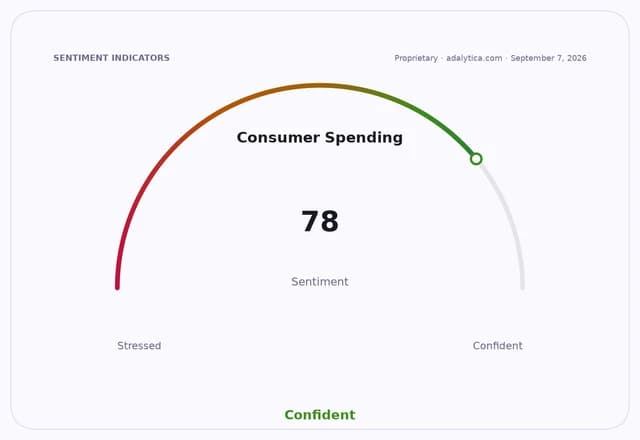
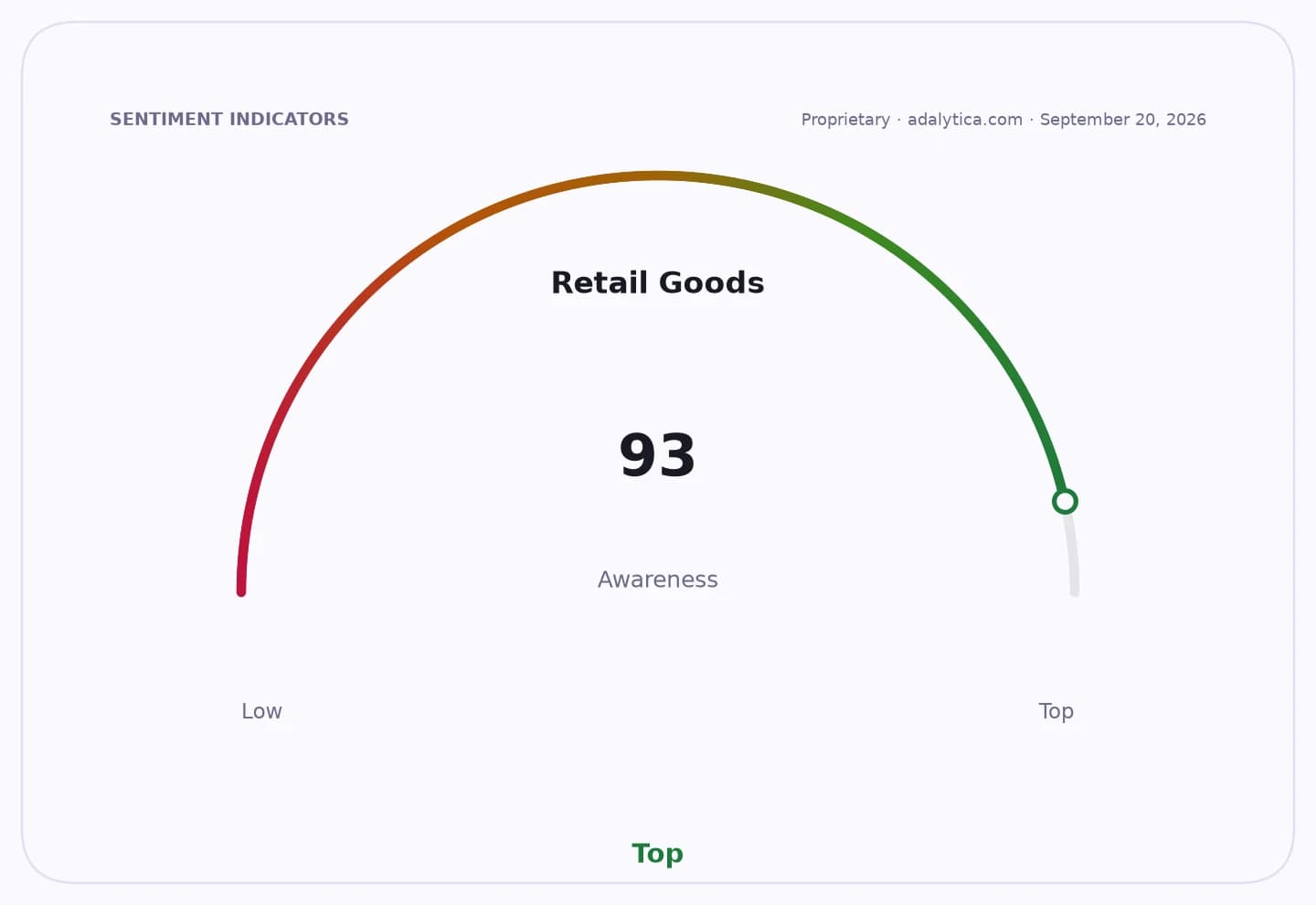
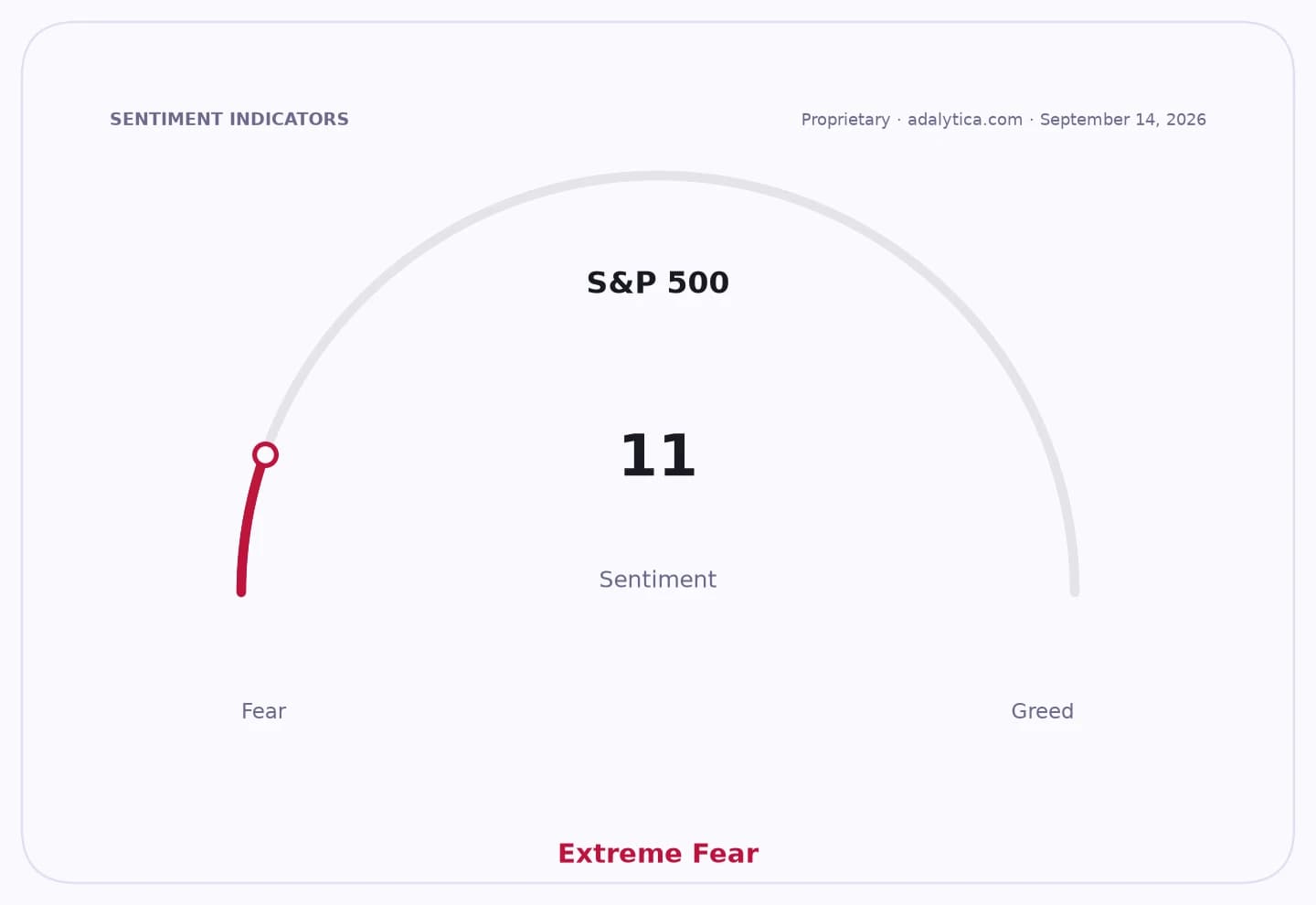
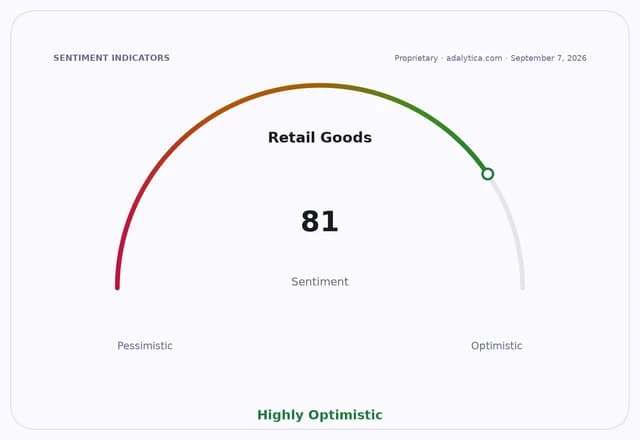
The broader spending backdrop remains mixed. Adalytica’s consumer spending sentiment is in “Greed” territory at 78, but awareness is at “Extreme Fear,” suggesting buyers are still price-sensitive even when they are willing to spend. Retail goods spending sentiment is also elevated at 81, reinforcing that consumers are active, but selective. That combination tends to favor products with strong review profiles and visible value propositions, while leaving weaker or overpriced models under pressure.
For Amazon, the message is straightforward: reviews remain a powerful demand filter. In categories like laptops, where specifications can be difficult for casual buyers to compare, rating momentum and repeat buyer satisfaction can influence conversion rates as much as marketing. That is good for marketplace traffic and can support third-party sales, especially for models that hit the sweet spot between price and performance.
For Apple, the read-through is more nuanced. Mac laptops continue to benefit from brand loyalty and the company’s ecosystem, and Apple’s latest filings note stronger Mac net sales in part because of higher laptop demand. But the review-driven shopping environment also means buyers are scrutinizing value more closely, which can limit upside if replacement demand softens or if cheaper Windows alternatives improve.
Best Buy sits in the middle. Its latest filing shows comparable sales growth in computing and mobile phones, a sign that laptops remain an important driver for the retailer. A review-based shortlist can help convert indecisive shoppers, but it also underscores how much of the category is still won at the point of comparison, where promotions, financing and availability matter.
Investors should view the review trend as a proxy for consumer discipline in a category with broad economic reach. Strong laptop demand supports the PC upgrade cycle, benefits component suppliers and logistics networks, and can lift results for retailers with scale. But it also sharpens competition, because products that fail to earn trust quickly lose shelf space in the online aisle.
The market backdrop is supportive, but not euphoric. Amazon shares have been volatile but remain above long-run trend indicators, while Apple and Best Buy also trade with enough momentum to suggest the category is still drawing buyers. The risk for sellers is that demand concentrates in a handful of well-reviewed models, leaving the rest of the market to compete on discounts. The winners are the laptops that combine high ratings with clear value; the losers are the products that rely on branding alone.
| Entity | Gains | Losses |
|---|---|---|
| Amazon marketplace | ▲Higher conversion | ▼Weak reviewed listings |
| Best Buy | ▲Computing sales lift | ▼Low-value inventory |
| Apple Mac laptops | ▲Premium demand | ▼Cheaper Windows rivals |
| PC buyers | ▲Better shortlist | ▼Overpriced models |