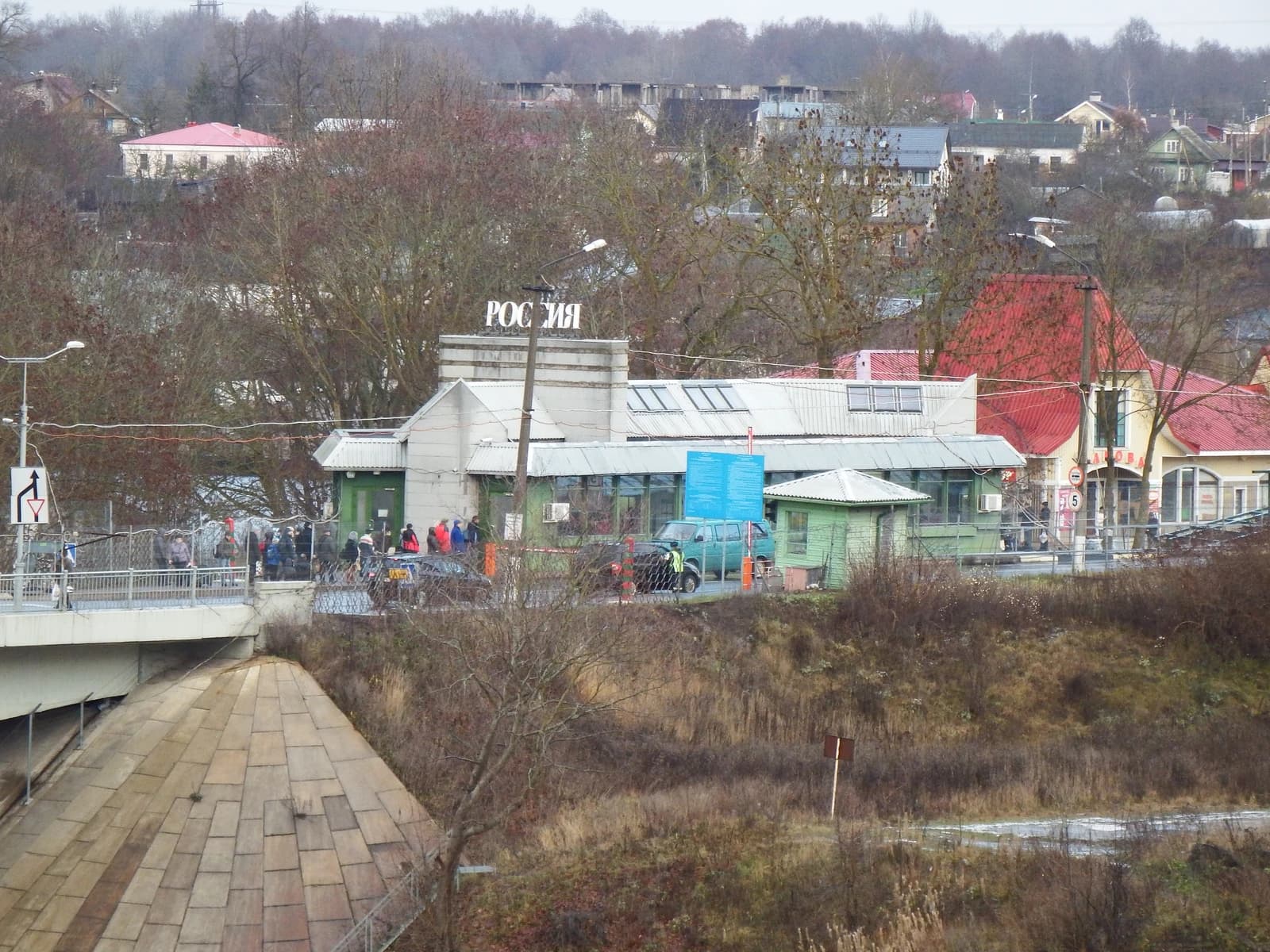
Latvia has barred imports of books, newspapers and other printed materials from Russia and Belarus, expanding a broader security push aimed at cutting what Riga calls war propaganda and disinformation.
Latvia bans imports of Russian and Belarusian print

The ban, which takes effect Sept. 1, matters economically because it further reduces already sharply diminished trade with the two countries and blocks a category of consumer goods that Latvia still said was significant enough to warrant action. The foreign ministry said imports from Russia and Belarus have plunged 91% between 2022 and 2025, to 193 million euros from 2.13 billion euros, as the country deepens its decoupling from Moscow and Minsk.
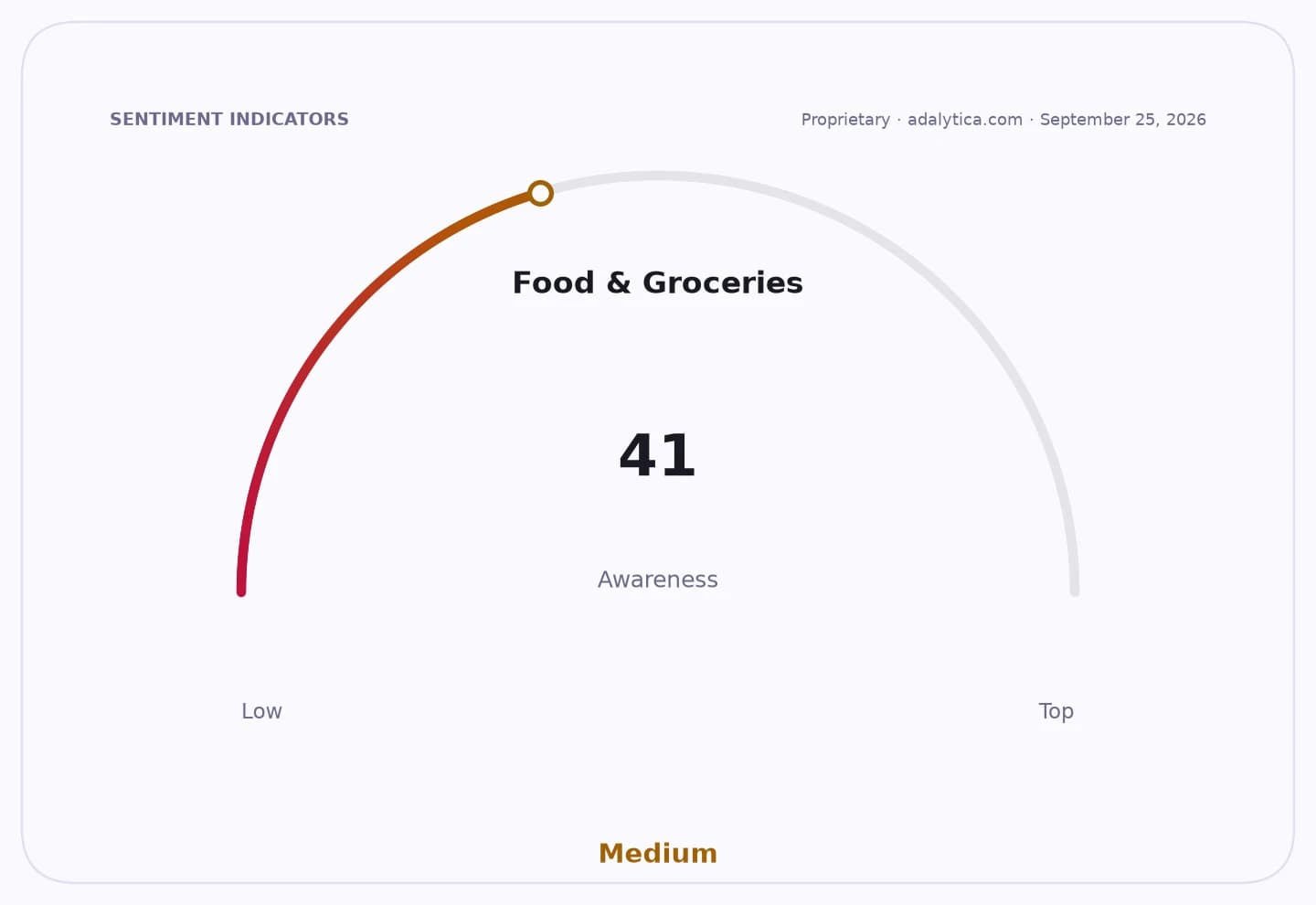
Sentiment IndicatorsⓘProprietary · adalytica.com · September 8, 2026
This is a snapshot — live sentiment, awareness and momentum for 130+ markets update continuously in the dashboard.Open AlphaPulse
For investors, the move is another sign that the Baltic region remains on a higher geopolitical risk footing than much of the EU, with policy decisions shaped as much by security as by commerce. Latvia, a NATO and European Union member that borders both Russia and Belarus, has spent years hardening defenses against cyberattacks, drone incursions and information warfare since Russia’s full-scale invasion of Ukraine in 2022.
Riga said the import ban is designed to protect national security and “reduce vulnerabilities in the information space.” It also covers other consumer goods such as clothing, toys and sports items, including Russian- or Belarusian-made products entering through third countries, closing a route that could otherwise soften the impact of sanctions and trade restrictions.
The policy lands in a country with a large Russian-speaking minority, with ethnic Russians accounting for roughly a quarter of the population, making language and media access a politically sensitive issue. Latvia has already removed a reduced VAT rate for Russian-language books and publications and is working to curb the use of Russian in education, arguing that the measures help counter Moscow’s influence while improving integration.
The latest step is likely to keep tensions with Moscow elevated and may draw more legal and diplomatic pushback as the Kremlin continues to frame Baltic policies as discriminatory. The main near-term risk for investors is not direct trade exposure but the possibility of fresh regional retaliation, higher security spending and persistent volatility across Baltic assets tied to the Ukraine war.
| Entity | Gains | Losses |
|---|---|---|
| Latvia | ▲Security posture | ▼Trade links |
| Russia and Belarus | ▲None | ▼Export access |
| NATO and EU hardliners | ▲Deterrence narrative | ▼Diplomatic friction |
| Baltic importers of Russian goods | ▲None | ▼Product supply |