A university degree is no longer enough to guarantee work, and that shift is becoming a structural problem for graduates, employers and the education companies trying to bridge the gap.
Laureate, Strayer Education and Jobs Gap
The immediate message from the labor market is simple: hiring is still happening, but employers are demanding proof of readiness — practical experience, technology skills and workplace familiarity — before they will take a chance on new graduates. That changes the economics of education. A diploma once signaled employability on its own; now it is only an entry ticket to a much harder competition for first jobs.
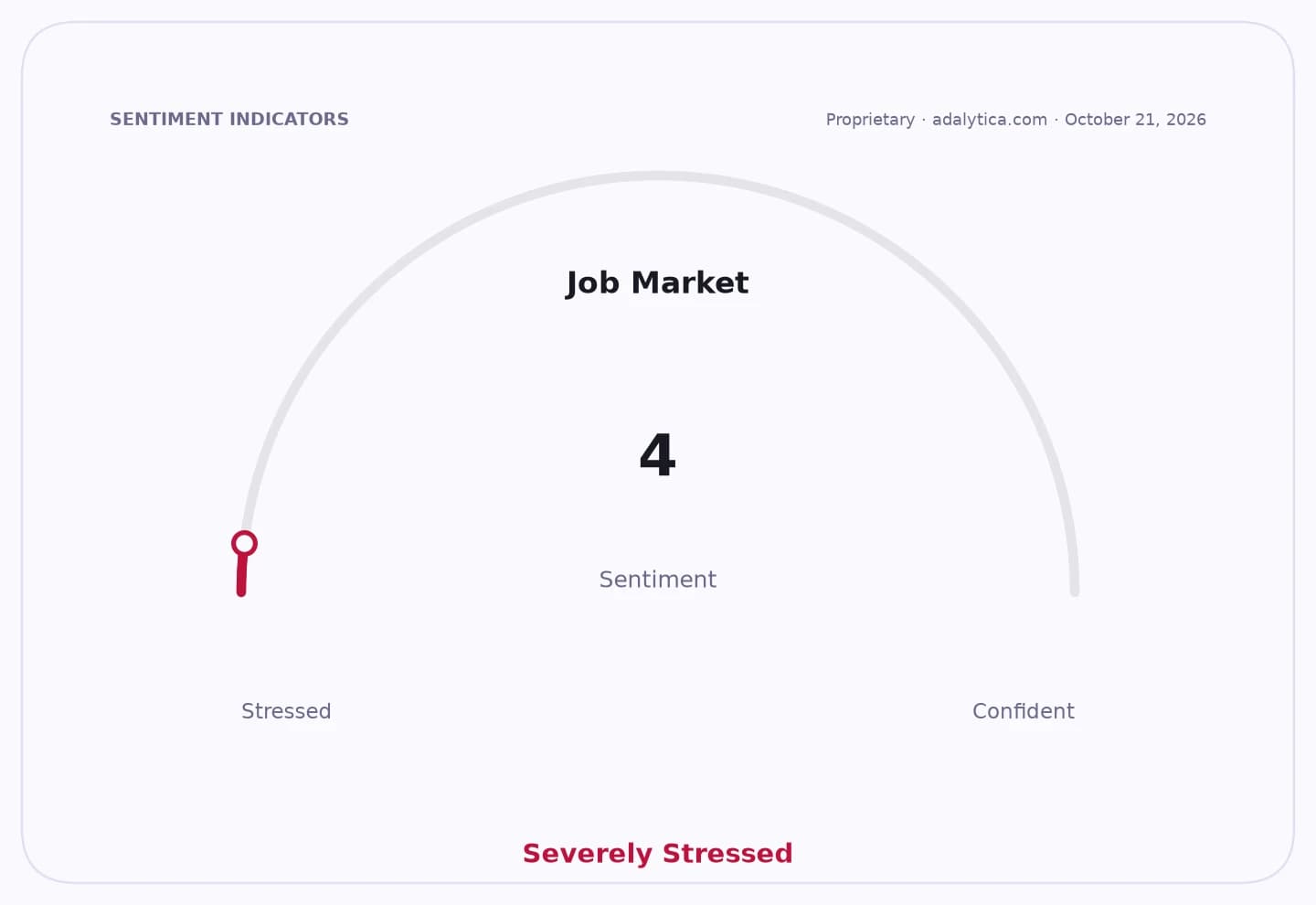
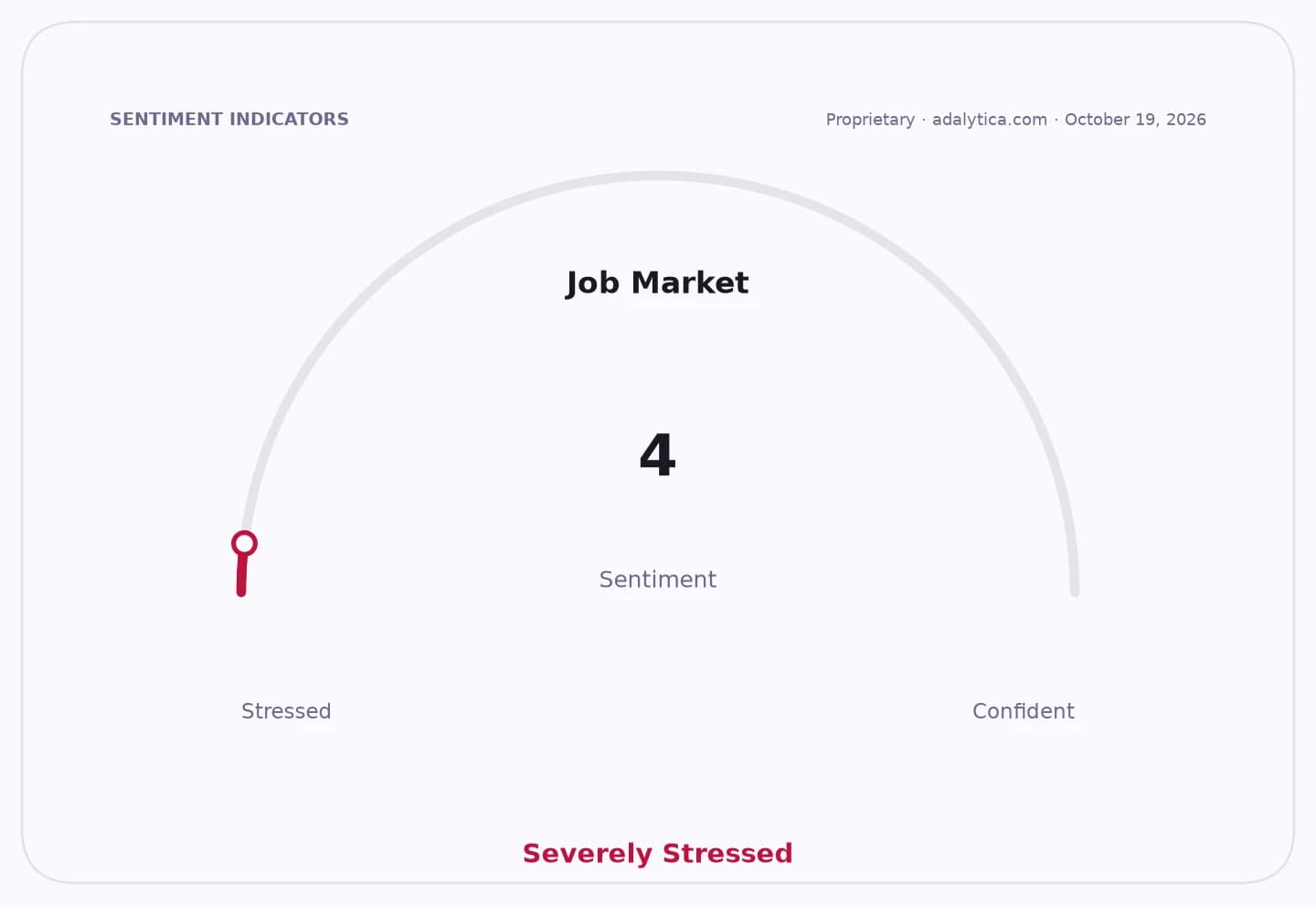
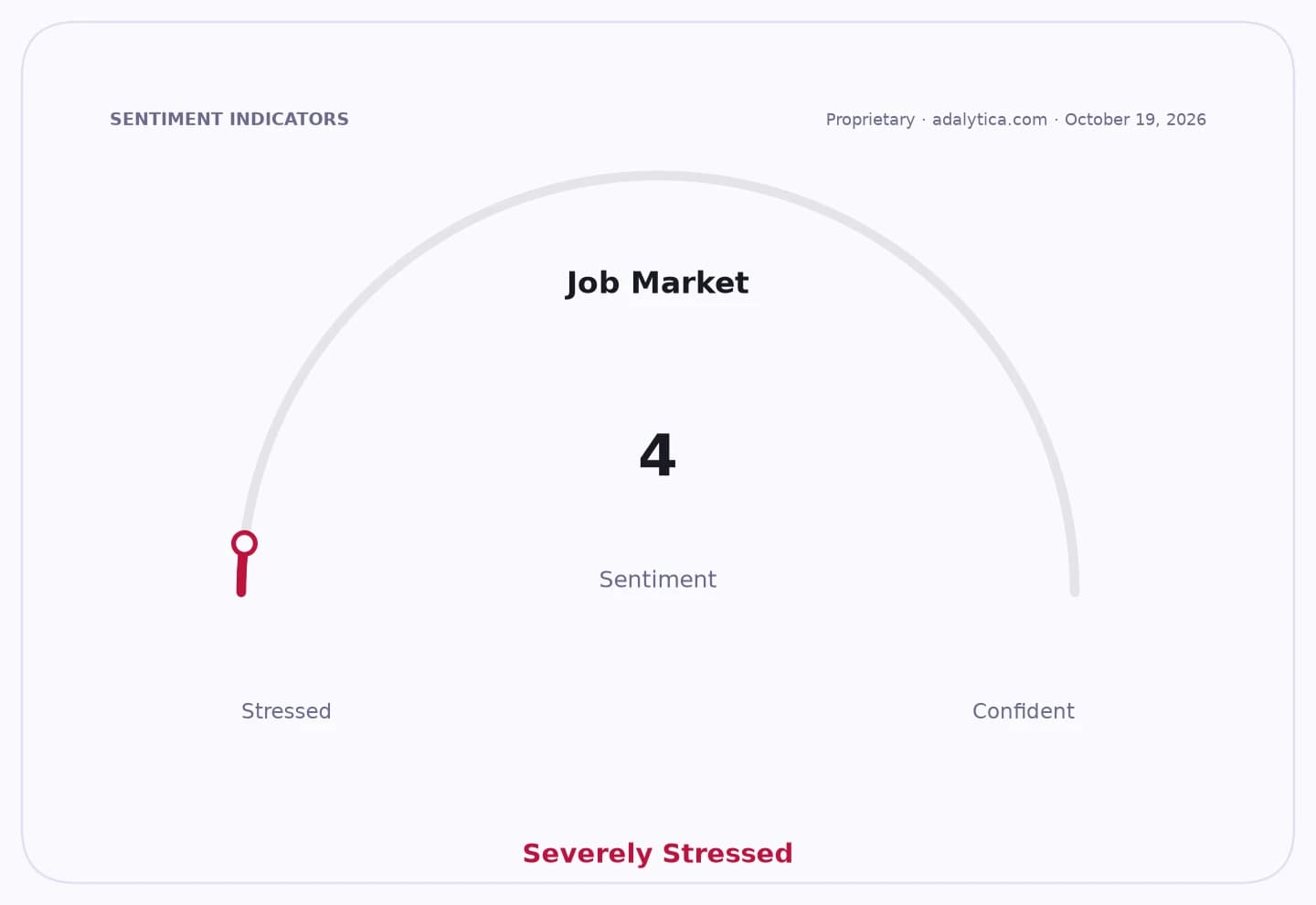
Sentiment IndicatorsⓘProprietary · adalytica.com · October 19, 2026
This is a snapshot — live sentiment, awareness and momentum for 130+ markets update continuously in the dashboard.Open AlphaPulse
That is why the advice from workforce expert Tarek Elias matters. He is effectively describing a new labor-market filter: students who spend summers in banks, laboratories, companies and other internship settings are more likely to convert education into income. In his view, families, universities and employers must all share responsibility for preparing young people earlier, not after graduation.
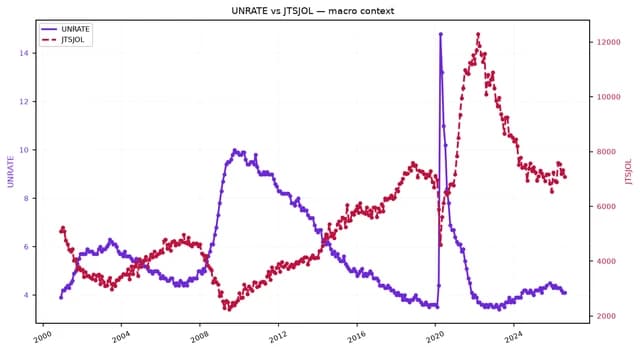
The numbers around the broader labor backdrop reinforce that point. U.S.-style unemployment data in the context remains relatively contained at 4.2%, with a forecast of 4.09%, but job openings have eased from a peak of 12,301 to 7,079, with another decline expected to 6,979.4. That is not a collapse in hiring, but it is a less forgiving market. There are fewer openings chasing more cautious employers, which means the bar rises for every new entrant.
For investors, that is where the real opportunity sits. If the market is underestimating anything, it is the premium employers will pay for job-ready talent and the pressure this puts on universities that cannot prove outcomes. The winners are institutions that can embed internships, applied learning and career placement into the degree itself. The losers are schools selling credentials without employability.
That is where listed education names such as Laureate Education, Grand Canyon Education and Strayer Education become interesting. Their long-term case depends not just on enrollment, but on whether students and parents believe those programs improve job outcomes. Laureate’s own filings point to profession-oriented degrees and student support aimed at reducing attrition, while Strayer’s disclosures show how closely enrollment and scholarship economics are tied to student persistence and outcomes. In a tougher labor market, those links matter more.
This also creates a broader second-order trade: the more degrees lose standalone value, the more demand shifts toward vocational training, employer-linked programs, digital skills and short-cycle certifications. That supports schools and platforms that sell employability, not just education. It also favors banks, labs, corporate recruiters and internship networks that become the bridge between campus and career.
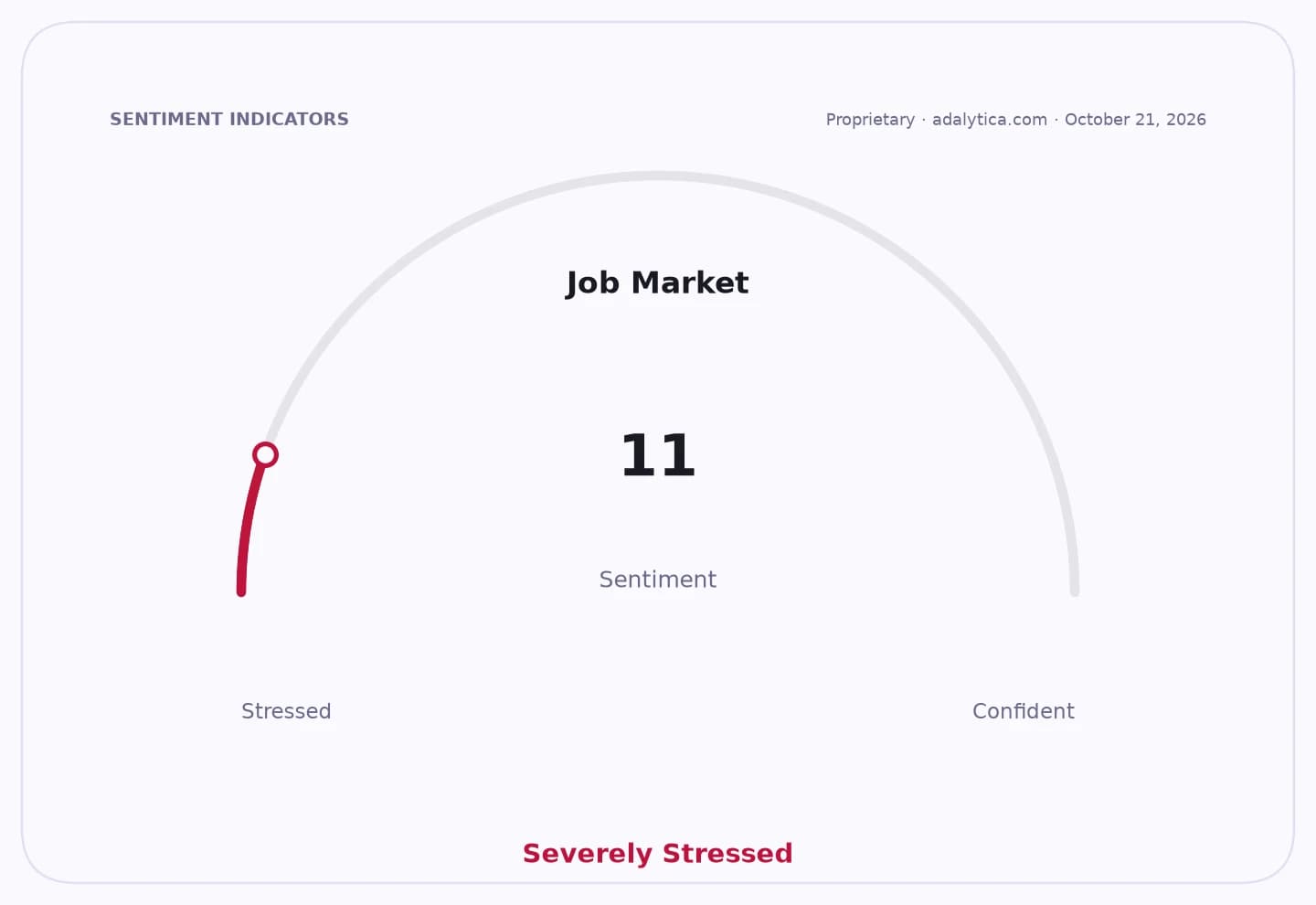
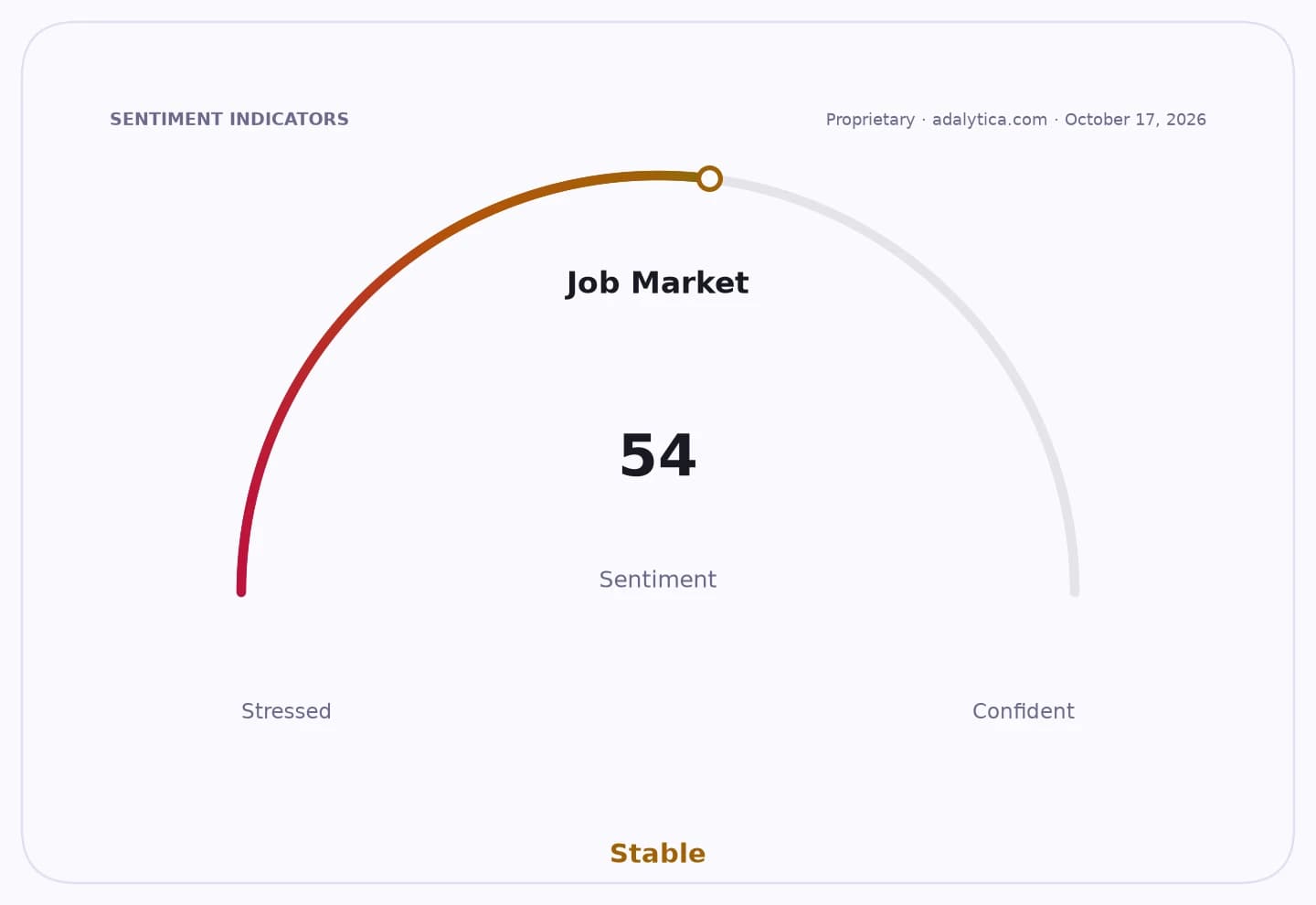
Adalytica’s Job Market Sentiment gauge underscores the tension. Sentiment sits at 4.0, labeled “Extreme Fear,” even as payroll sentiment is at 96.0 and consumer confidence recession sentiment is at 93.0. In other words, the labor market may not be breaking down, but job seekers clearly feel the squeeze — and that is exactly when practical experience becomes a competitive moat.
The investment takeaway is straightforward: own the educators and platforms that can prove placement, apprenticeships and skills conversion, and be cautious on institutions that still sell a degree as a standalone product. The market is moving toward a new rule: employment starts before graduation, not after.
| Entity | Gains | Losses |
|---|---|---|
| Applied-learning universities | ▲Better placement rates | ▼Less-prepared peers |
| Employers | ▲Lower hiring risk | ▼Generic degree holders |
| Laureate / Strayer / LOPE | ▲Higher value proposition | ▼Credential-only schools |
| Students with internships | ▲Stronger first-job odds | ▼Graduates without experience |