Lebanon is trying to recast its relationship with Iran around sovereignty at a moment when fighting in the south and wider regional tensions are keeping the country on edge.
Lebanon Seeks Sovereign Ties With Iran Amid Strikes

That matters because Lebanon’s economic recovery, already hobbled by years of banking collapse and political paralysis, remains hostage to whether it can avoid becoming a proxy battleground between Iran, Israel and the United States. Prime Minister Nawaf Salam’s insistence that Lebanon wants ties with Tehran that respect both countries’ sovereignty points to a familiar but economically critical aim: reduce external leverage, preserve state institutions and create space for foreign support.
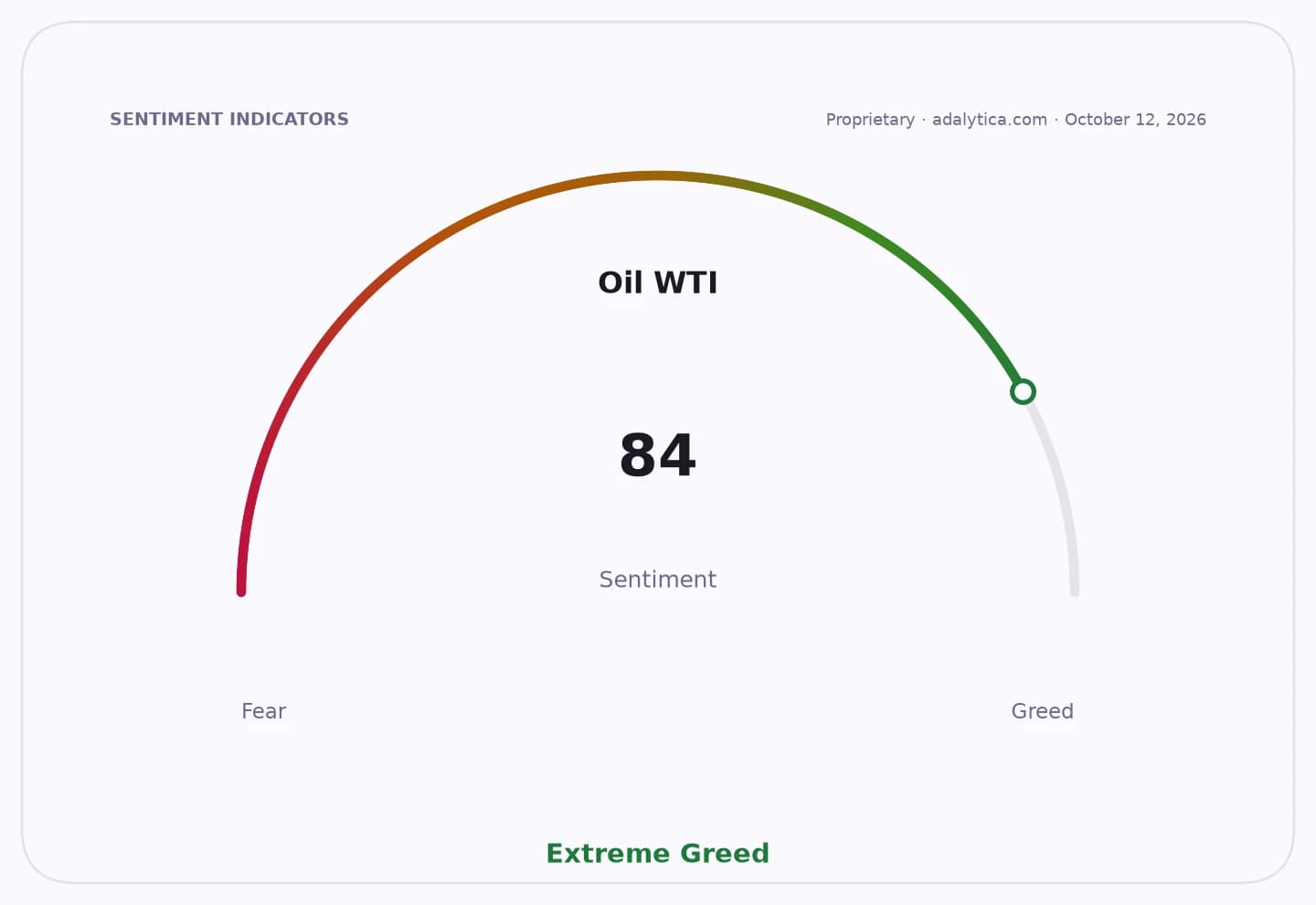
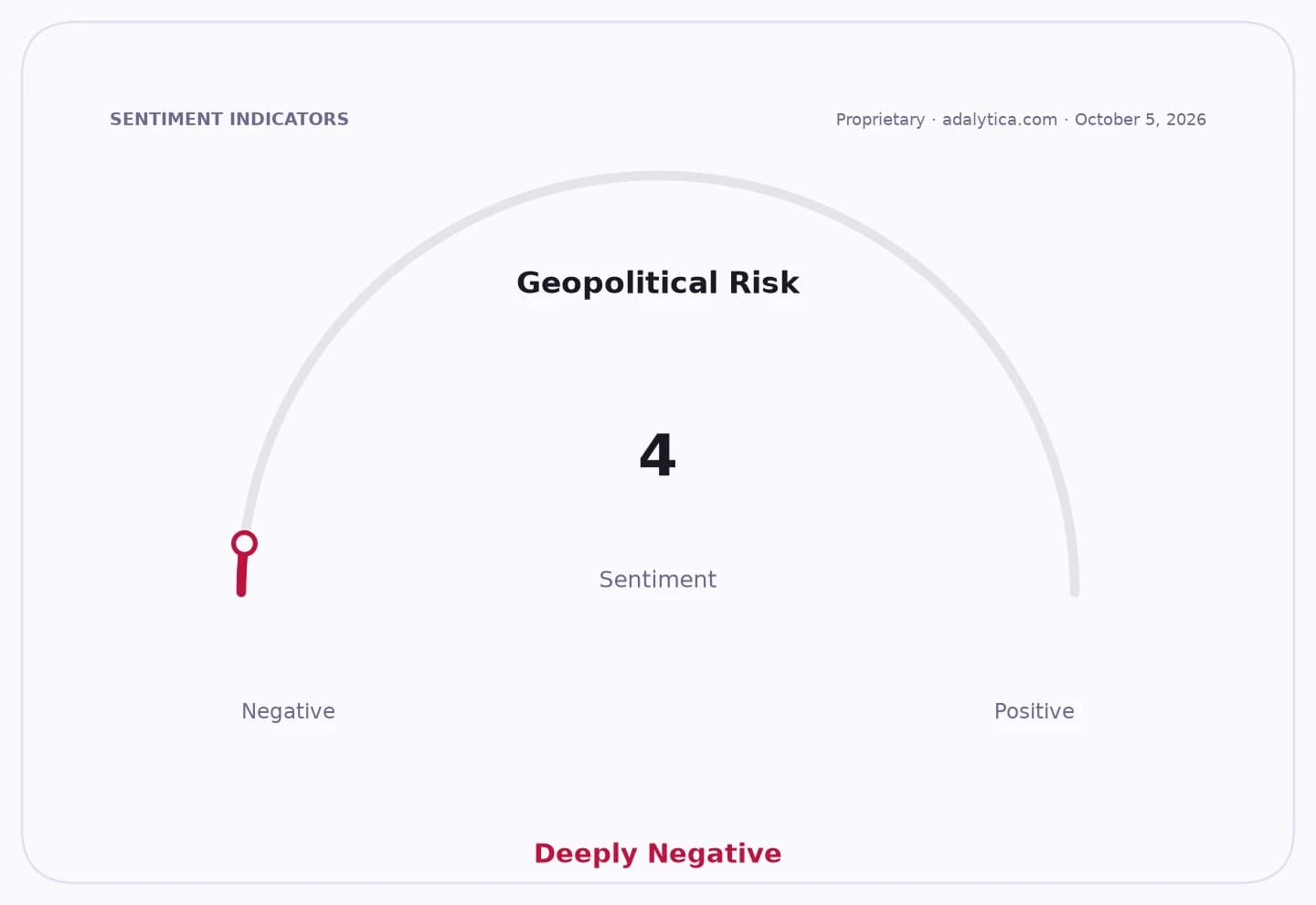
Sentiment IndicatorsⓘProprietary · adalytica.com · September 29, 2026
This is a snapshot — live sentiment, awareness and momentum for 130+ markets update continuously in the dashboard.Open AlphaPulse
The message lands as Israel intensifies strikes in southern Lebanon, including around Mansouri, underscoring how quickly diplomacy can be overtaken by military escalation. It also comes as Washington pushes Beirut to curb financial networks linked to Hezbollah and Iranian influence, framing Lebanese sovereignty as inseparable from the state’s ability to assert control over armed groups and cross-border financing.
For investors, that combination of conflict risk and diplomatic friction keeps Lebanon firmly in the high-risk camp. Any attempt to normalize state finances, draw in reconstruction aid or unlock multilateral support depends on a calmer security environment and clearer political authority. Without that, capital flight risk stays elevated and lenders are unlikely to back meaningful recovery plans.
The broader regional backdrop is equally important. Iran’s proposal for a ceasefire covering Lebanon and the wider Middle East was rejected by the US, showing how far apart the main powers remain. That leaves Lebanon exposed to a cycle in which local diplomacy is continually constrained by external rivalries rather than domestic economics.
The near-term outlook therefore hinges less on rhetoric than on whether the Lebanese state can translate its sovereignty message into practical control on the ground. If it cannot, the country will remain vulnerable to renewed violence, delayed aid and another round of economic strain.
| Entity | Gains | Losses |
|---|---|---|
| Lebanese government | ▲Diplomatic room | ▼Policy credibility if violence persists |
| Iran | ▲Influence if ties remain open | ▼Leverage if Beirut resists proxy role |
| United States | ▲Pressure on Hezbollah financing | ▼Influence if Lebanon seeks balance |
| Lebanese economy | ▲Potential aid if stability improves | ▼Recovery momentum amid conflict |