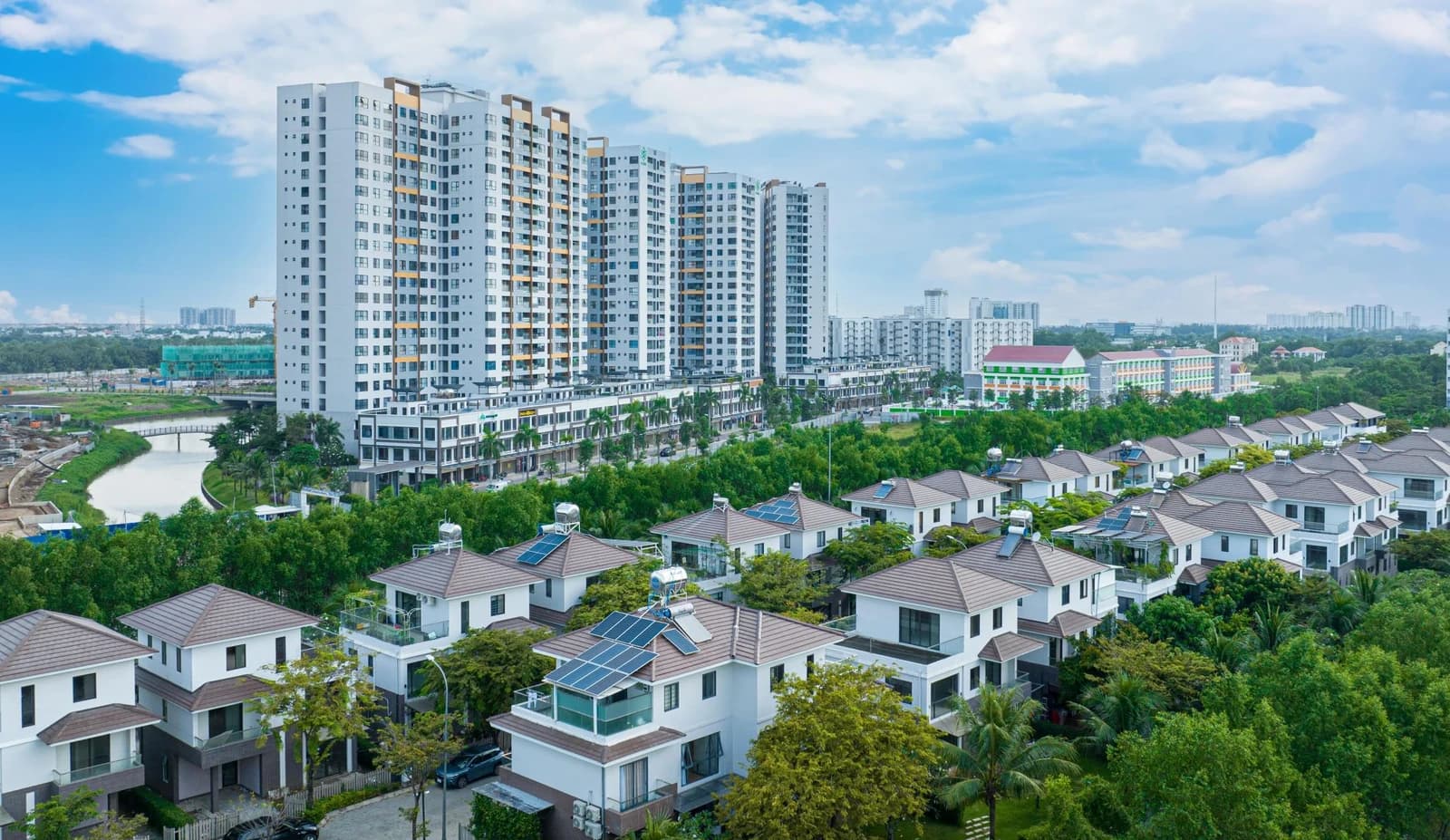
Commercial space in new housing estates is emerging as a key lever for district development, with LEV Development arguing that the real value of a residential project increasingly depends on whether its ground-floor and mixed-use footprint can create a self-contained urban ecosystem.
LEV Development keeps commercial space in housing estates

That matters because the economics of housing estates are shifting from pure apartment sales toward recurring income streams, tenant quality and long-term asset value. In practice, a well-planned commercial layer can raise foot traffic, support daily services, generate jobs and make a neighborhood more attractive to buyers and renters alike, ultimately feeding back into property prices across the project.
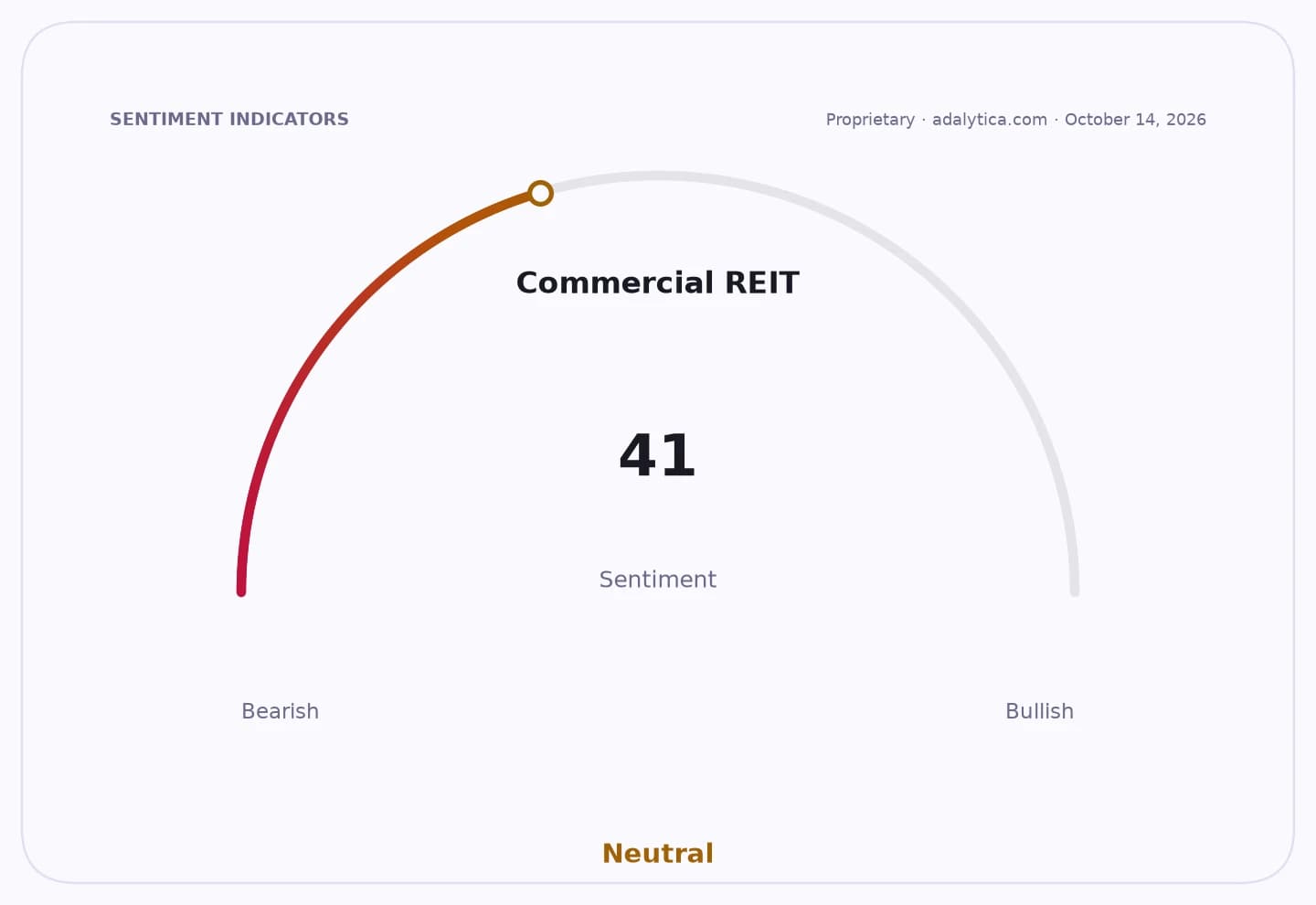
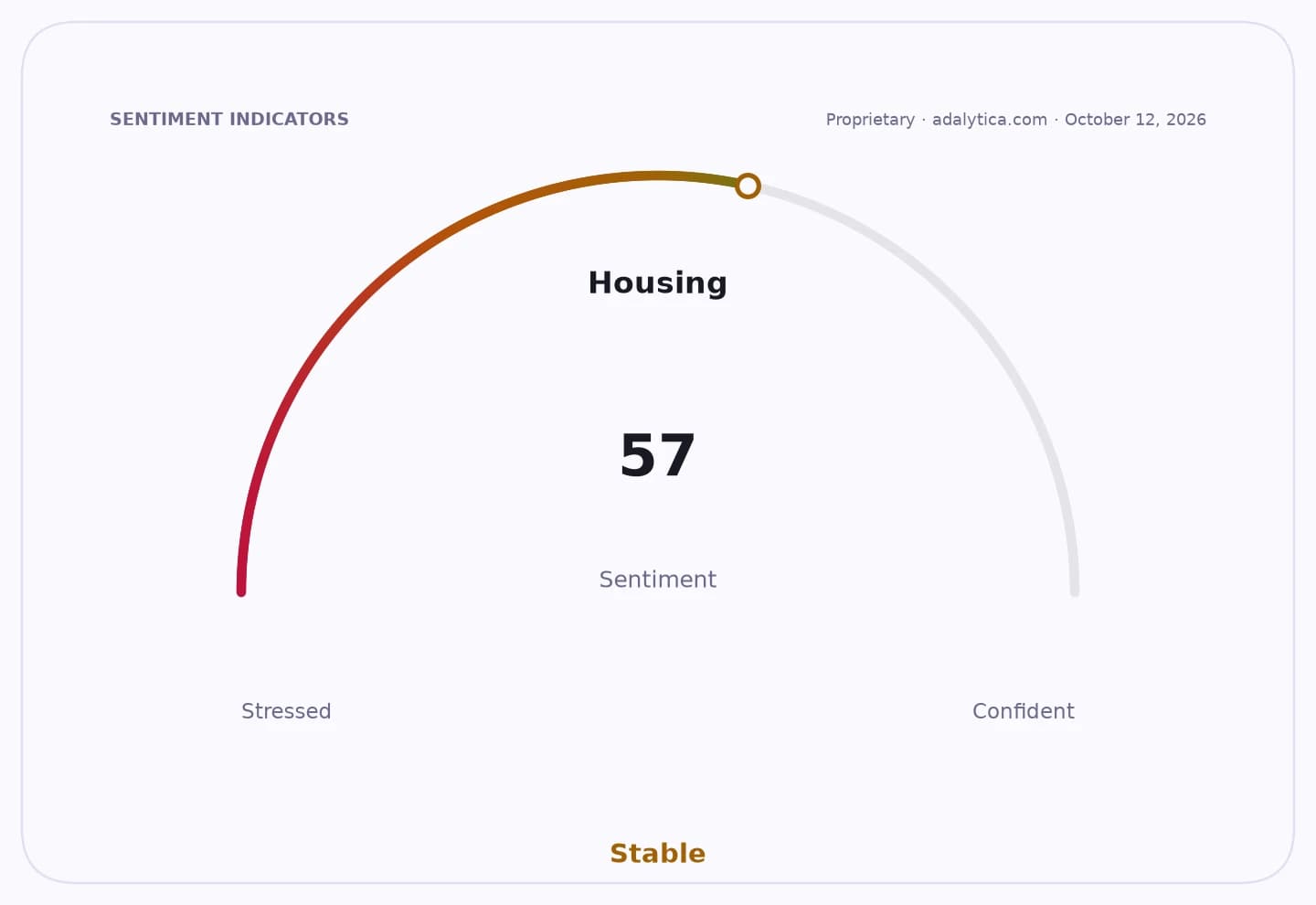
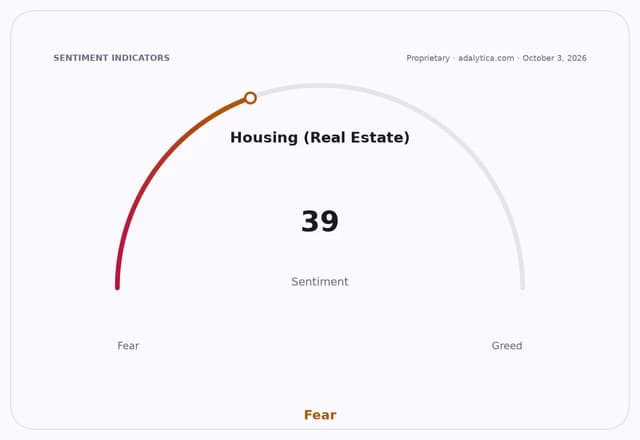
Sentiment IndicatorsⓘProprietary · adalytica.com · October 3, 2026
This is a snapshot — live sentiment, awareness and momentum for 130+ markets update continuously in the dashboard.Open AlphaPulse
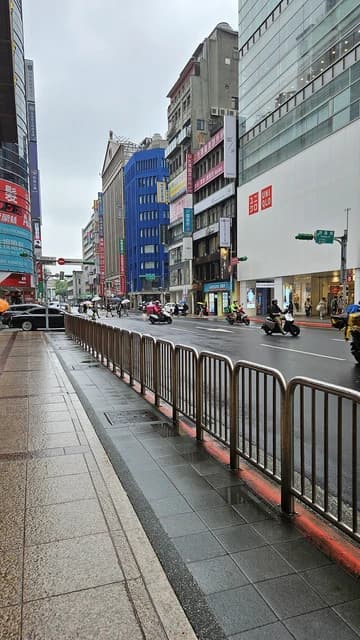
LEV Development is leaning into that model by keeping commercial units on its own balance sheet rather than selling them off to multiple owners. The company says it has commissioned more than 13,000 square meters of commercial space, with 78% already leased, a sign that demand for neighborhood retail and services remains intact even as residential markets have been uneven.
The strategy is also a hedge against the fragmentation that often follows unit-by-unit sales. Developers that dispose of commercial space quickly can end up with duplicated tenants, vacancy pockets and weaker service mix, which can undermine the residential proposition. By retaining control, LEV can shape the tenant mix around supermarkets, pharmacies, clinics, gyms, restaurants and other daily-use operators that sustain traffic throughout the week.
That approach is gaining traction across the wider real estate sector because investors have increasingly rewarded projects that combine housing with retail, offices, hotels and public amenities. Mixed-use schemes can be harder to execute, but they tend to produce steadier occupancy and stronger pricing power when the location and tenant roster are aligned. For landlords, that can mean more resilient cash flow; for residents, more convenience and a better-functioning neighborhood.
The financial backdrop also matters. Urban Edge Properties, Simon Property Group and Kimco Realty have all pointed in recent filings to tenant quality, leasing momentum and the ability to capture higher rents from well-located space, reinforcing the broader industry view that curated commercial real estate remains valuable even in a slower growth environment. Lease commencements, rent escalators and property acquisitions are still driving income growth for the strongest operators.
For investors, the takeaway is that commercial real estate inside housing estates is no longer just a supporting feature of residential development. It is becoming a core part of the investment thesis. Projects that can lock in strong tenants early, preserve control over the asset mix and build a recognizable neighborhood center are better placed to support pricing, occupancy and long-term returns.
The risk is execution. If the tenant mix is poor, parking is inadequate or the space was not designed properly from the start, the commercial component can drag on the wider project rather than enhance it. But where developers get it right, the commercial layer can turn a housing estate into a district anchor — and that is increasingly where the value is.
| Entity | Gains | Losses |
|---|---|---|
| LEV Development | ▲Higher asset value | ▼Lower short-term sales proceeds |
| Residents | ▲Better services nearby | ▼Less flexibility in tenant turnover |
| Retail tenants | ▲Stable foot traffic | ▼Higher selection standards |
| Competing developers | ▲Pressure to upgrade projects | ▼Commodity-style housing sales model |