LG Electronics is being revalued by investors less as a maker of appliances and more as a potential enabler of “physical AI,” a shift that could open new growth pools in data-center cooling, robotics, smart factories and vehicle systems.
LG Electronics Revalues on Physical AI Growth
That matters because the market’s willingness to pay up for hardware groups increasingly depends on whether they can attach themselves to the AI infrastructure build-out, not just sell mature consumer products. LG’s investor-relations message, reinforced by Morgan Stanley’s “LG Trio: Next Growth Chapter,” suggests the company is being assessed as a cross-industry orchestrator rather than a collection of cyclical subsidiaries.
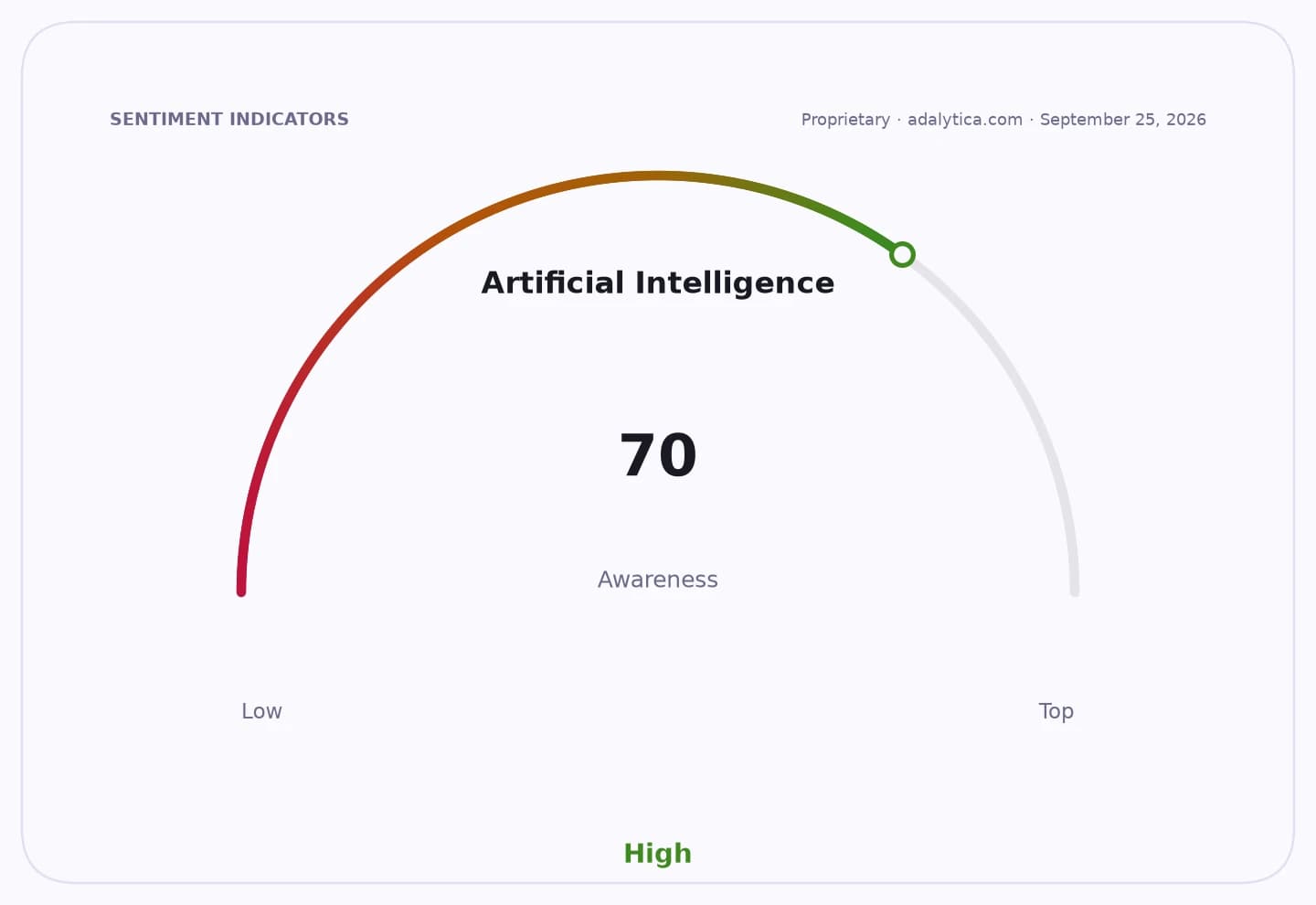
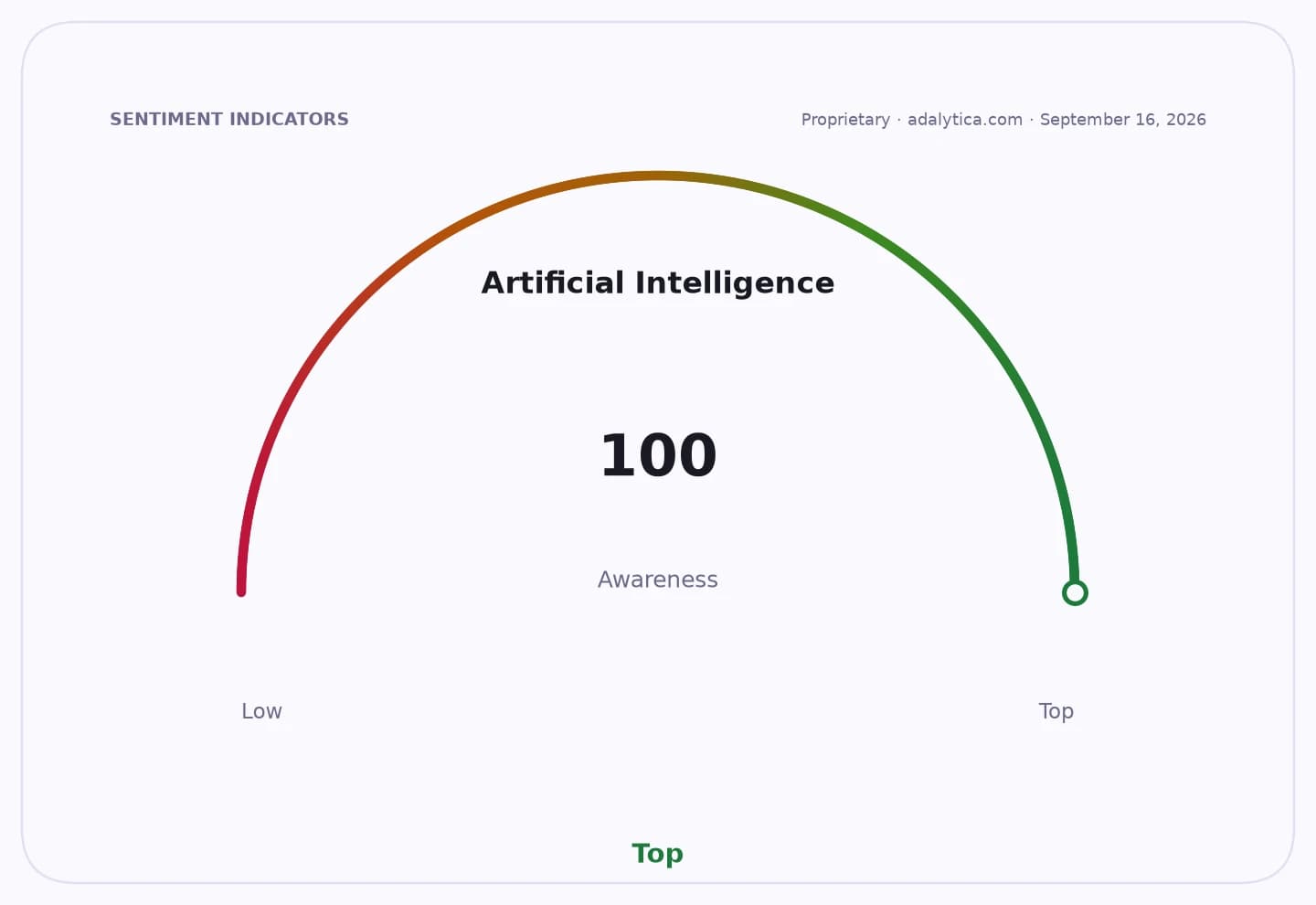
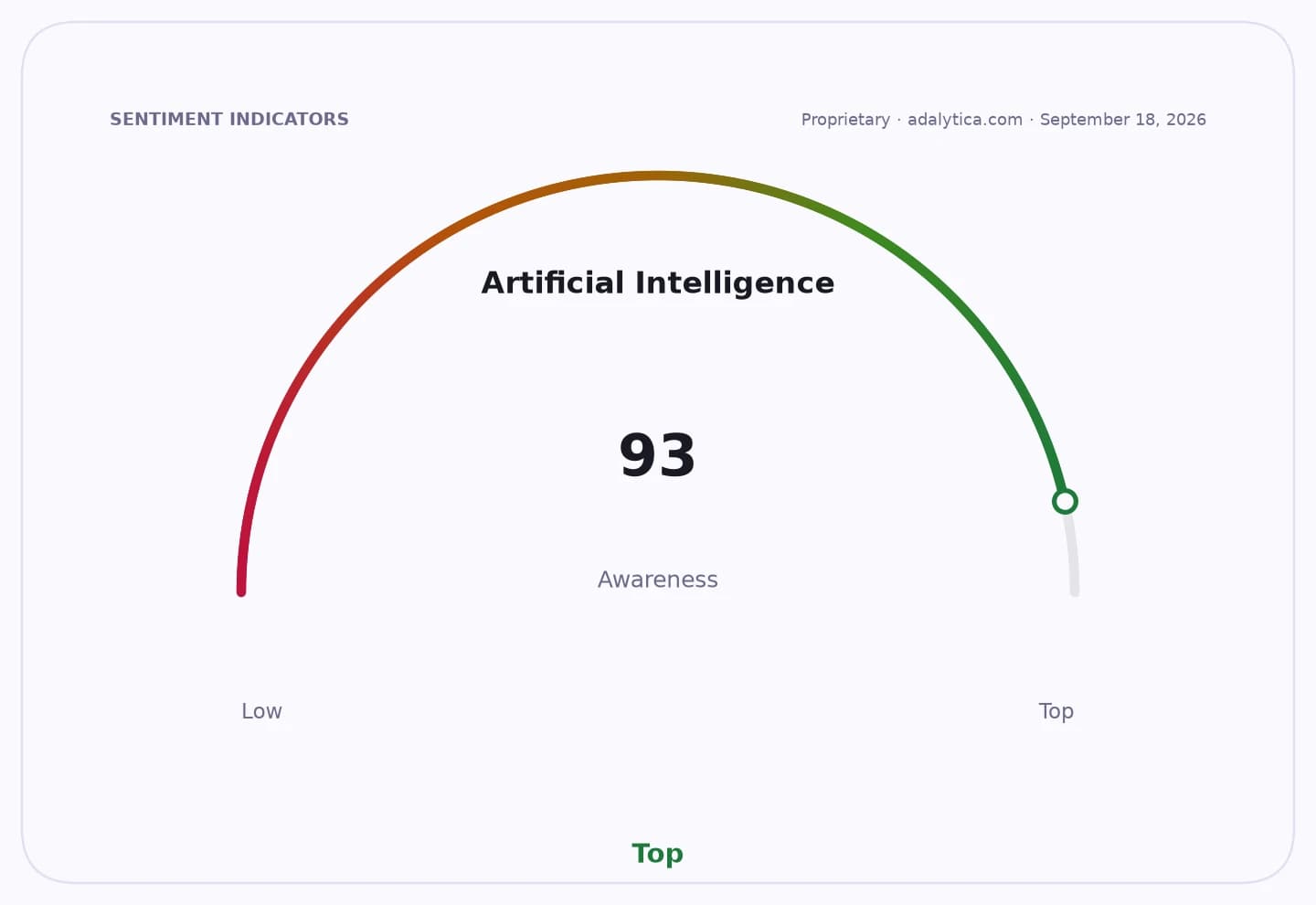
Sentiment IndicatorsⓘProprietary · adalytica.com · September 18, 2026
This is a snapshot — live sentiment, awareness and momentum for 130+ markets update continuously in the dashboard.Open AlphaPulse
The change in perception is significant for both earnings quality and valuation. In the earlier phase of LG’s transformation, investors focused mainly on demand and margins in household appliances. Now, attention is shifting to businesses with a more structural AI link: cooling for AI data centers, factory automation, robotics and vehicle solutions. Those segments typically carry better long-term operating leverage than consumer electronics, and they offer a route to diversify away from the volatility of discretionary demand.
LG’s case rests on industrial breadth as much as on AI branding. The company argues that decades of experience across homes, commercial buildings and industrial sites have created a real-world data base that can be used to deploy AI in physical environments. Its compressor and motor technology supports robotic actuators, its HVAC know-how feeds data-center cooling, and its manufacturing footprint supports smart-factory and robotics applications. That makes LG’s pitch more credible than a typical AI adjacency story.
Morgan Stanley’s framing is important because it groups LG Electronics with the wider “One LG” ecosystem, where LG Innotek’s sensors, LG Display’s visual technologies, LG Energy Solution’s batteries, LG CNS’s systems integration and LG AI Research’s models can be combined into a broader commercial platform. For investors, that raises the possibility that LG’s next phase could come from integration synergies rather than from any single product line.
The company is also putting numbers behind the shift. It said B2B accounted for 36% of revenue mix in the second quarter of 2026 and is targeting about 45% by 2030. That is material because B2B revenue is generally stickier, more services-heavy and less exposed to consumer demand swings. LG is also expanding subscription and care services in the home, widening order backlogs in smart-factory solutions and preparing mass production of actuators for humanoid robots this year.
The market backdrop helps explain why the story is gaining traction. Global enthusiasm around physical AI is pushing attention toward companies that can supply the hardware and infrastructure needed to move AI from software into the real world. At the same time, investors are becoming more selective: they want proof that AI spending can convert into durable profit streams, not just top-line growth. That puts a premium on execution, commercialization and recurring revenue.
There are still clear risks. The bull case depends on LG converting decades of engineering capability into scalable products and margins, while the bear case is that “physical AI” becomes an attractive narrative before it becomes a meaningful earnings driver. Cooling systems, robotics and smart factories all require capital, integration and time, and the path from pilot projects to profitable scale is rarely smooth.
For now, LG’s message is that its transformation is no longer just about defending a legacy appliances business. It is about turning industrial know-how, real-world data and cross-group capabilities into a platform for the next phase of AI adoption — a shift that could matter as much to investors as any near-term product cycle.
| Entity | Gains | Losses |
|---|---|---|
| LG Electronics | ▲Higher growth multiple | ▼Appliance-only valuation |
| AI infrastructure buyers | ▲More integrated hardware solutions | ▼Fragmented vendor stack |
| LG Group ecosystem | ▲Cross-subsidiary synergies | ▼Siloed operations |
| Consumer-only peers | ▲Less exposure to AI upside | ▼Relative investor appeal |