Lianlian DigiTech’s new Middle East office in Dubai International Financial Centre is a bigger story than a routine expansion: it gives the Chinese payments group a regulated base in one of the world’s most important trade corridors just as cross-border commerce between China and the Gulf is accelerating.
Lianlian DigiTech Opens Dubai DIFC Payments Hub
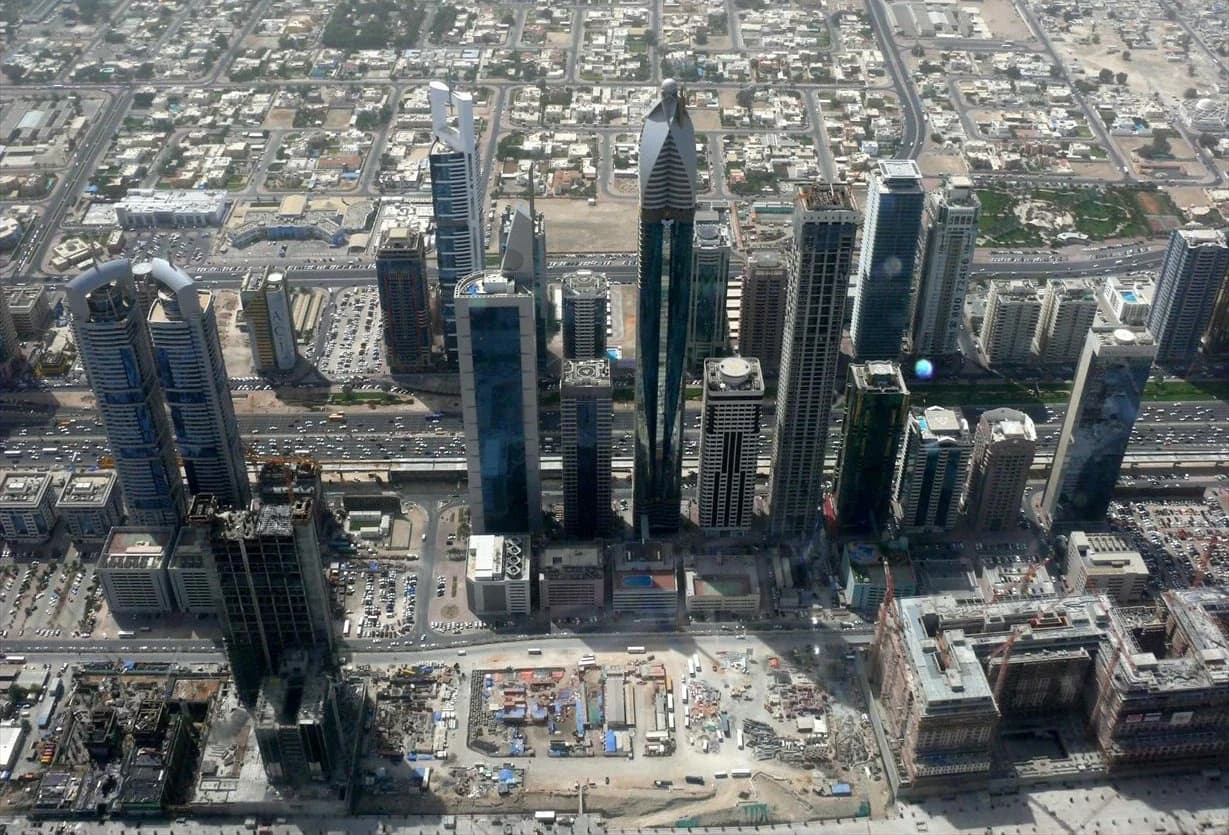
The company said the DIFC hub will expand its cross-border payment and treasury offerings, backed by a Category 3D Payment Service Provider licence from the Dubai Financial Services Authority. That matters because payments is now a strategic layer in global trade, not just a back-office utility. Businesses moving goods, settling invoices and managing cash across jurisdictions increasingly want collections, foreign exchange conversion, vendor disbursements and treasury management in one compliant stack.
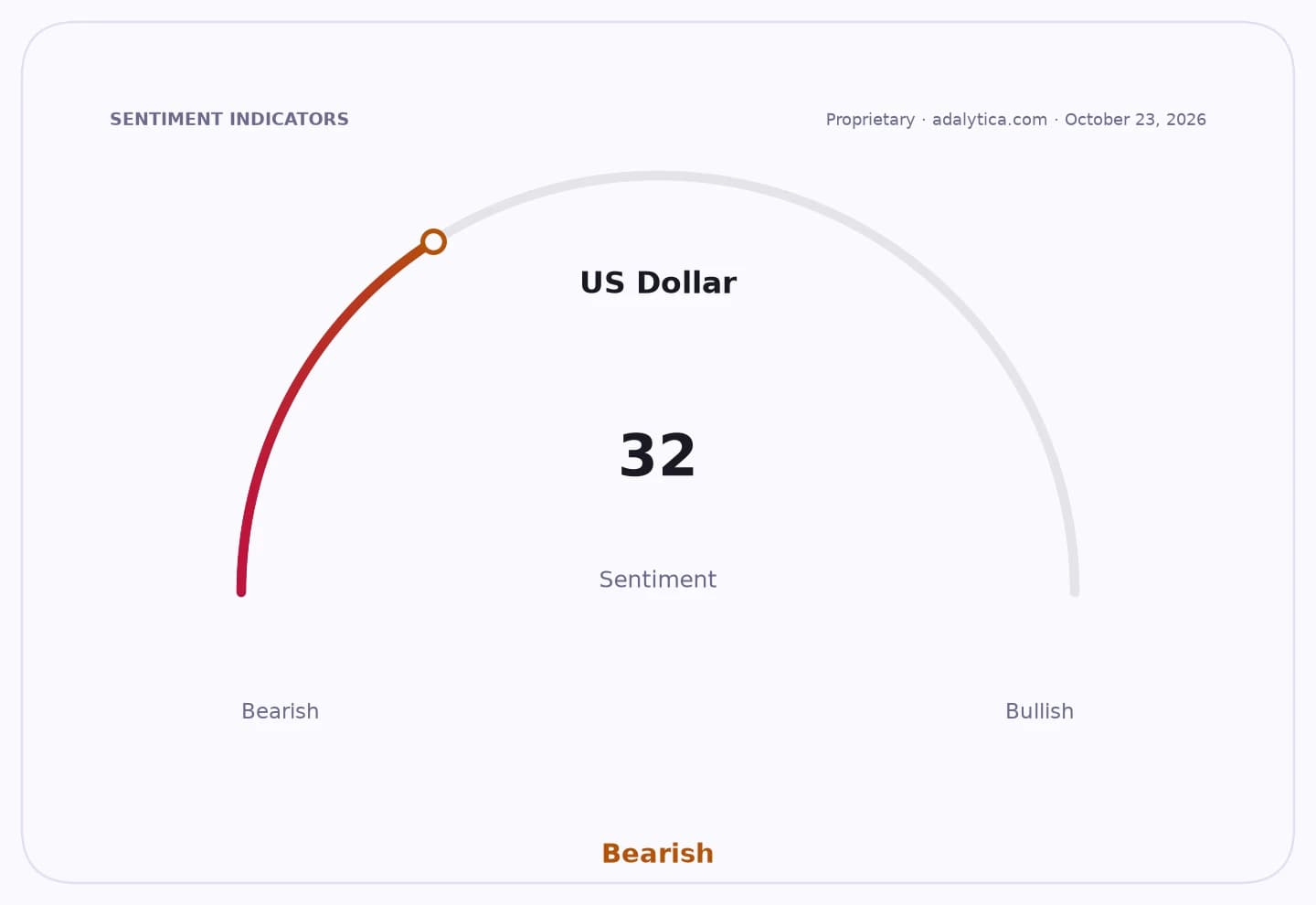
Sentiment Indicators
For investors, the appeal is in the second-order effect. A physical and regulatory foothold in DIFC can help Lianlian deepen relationships with regional banks, marketplaces and enterprise customers while lowering the friction that typically slows cross-border settlement. In a market where FX volatility, compliance complexity and working-capital pressure all eat into margins, providers that can compress payment cycles and improve liquidity management have pricing power.
That is especially relevant across the China-UAE corridor, where trade flows are expanding and Dubai is pushing its D33 agenda to double the emirate’s economy and lift foreign trade to AED 25.6 trillion over the next decade. Lianlian is positioning itself to capture that growth by serving companies operating between China, the Middle East and global markets, with localised capabilities including collections, FX hedging and global vendor payouts.
The company is also building on existing commercial ties in the region, including partnerships with Noon and merchant settlement support on Amazon UAE and Amazon Saudi Arabia. Those relationships matter because payment platforms rarely win by landing one large contract; they win by becoming embedded in recurring commerce flows. If Lianlian can keep scaling that network from DIFC, the revenue opportunity is more durable than a one-off expansion announcement suggests.
The stock has not priced in a straightforward operating transformation yet, and the market usually underestimates how much value sits in regulated payment infrastructure that sits close to trade, treasury and FX activity. In a world of fragmented payment rails and rising geopolitical pressure on settlement channels, the winners are likely to be the firms that can bridge regions with compliance-first digital infrastructure.
For now, the key catalyst is execution: whether Lianlian turns DIFC from a regional outpost into a meaningful hub for China-GCC payment flows. If it does, this could become a multi-year growth runway rather than a headline opening.
| Entity | Gains | Losses |
|---|---|---|
| Lianlian DigiTech | ▲Regional growth platform | ▼Low-market-share rivals |
| DIFC / Dubai | ▲Financial hub credibility | ▼Competing hubs |
| China-UAE traders | ▲Faster settlement, better liquidity | ▼Legacy payment frictions |
| Incumbent payment processors | ▲— | ▼Disintermediation pressure |