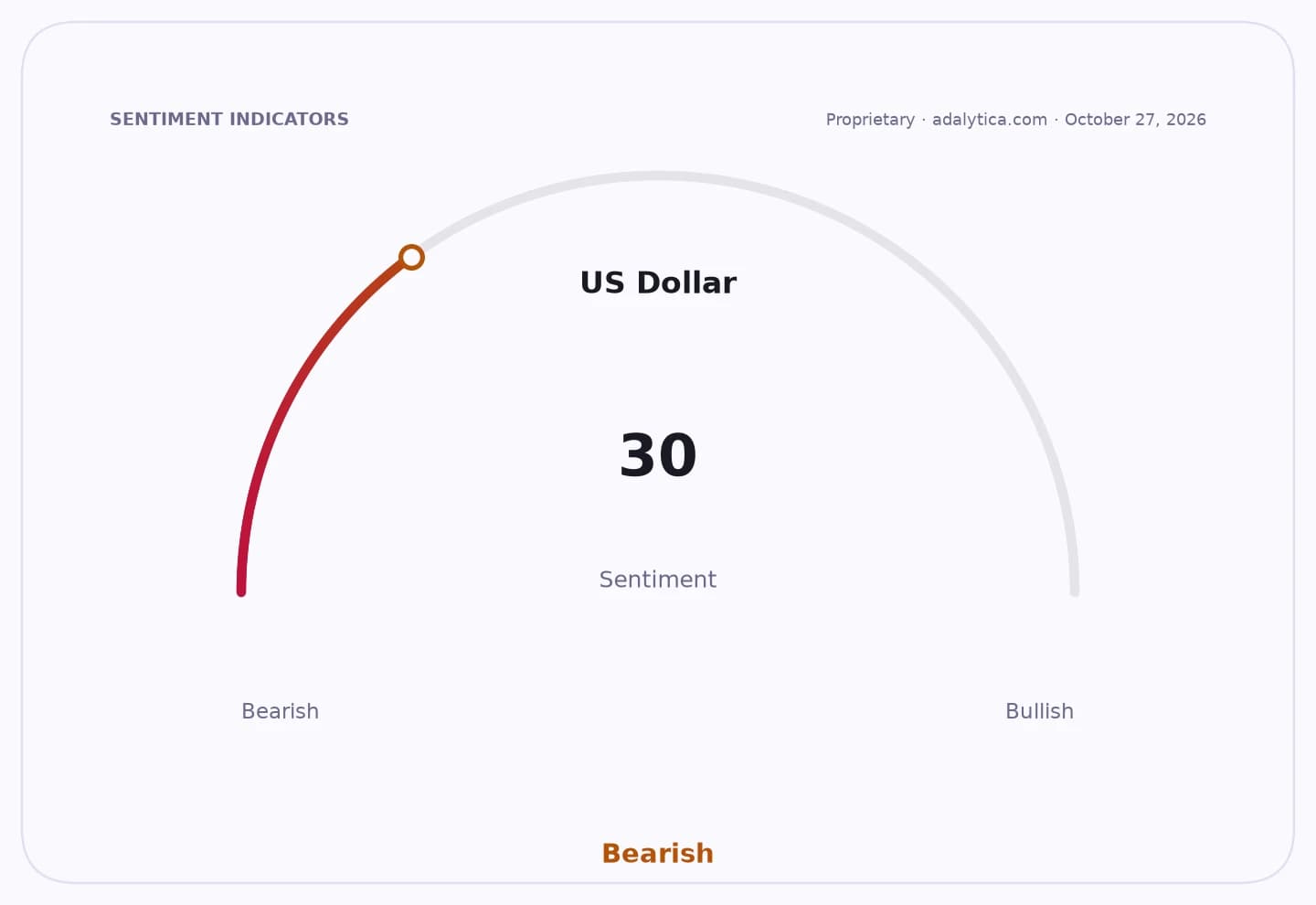
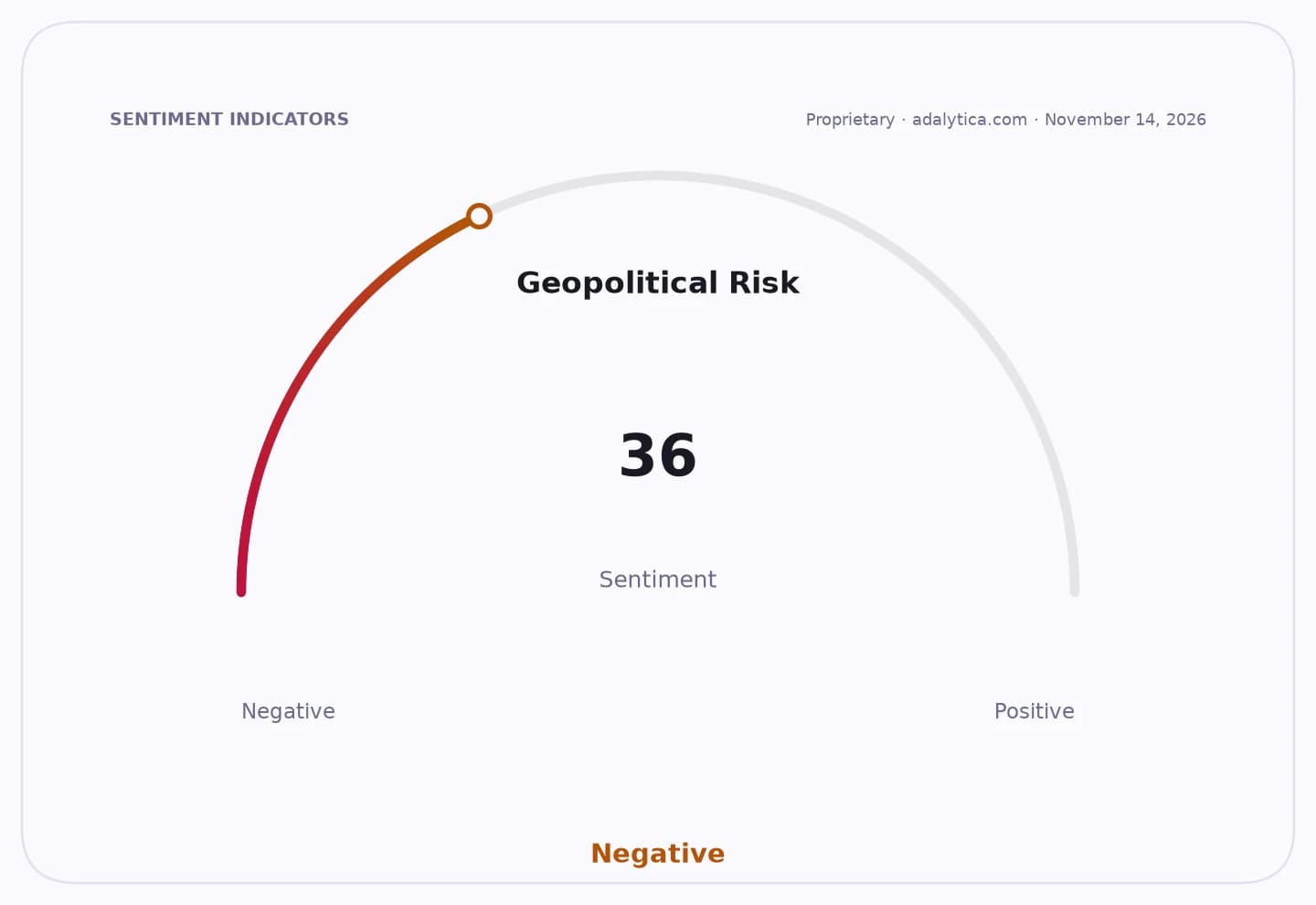
The US Treasury has cut eight Canada-based money services firms off from the dollar financial system, a move that underscores how aggressively Washington is still policing Iran-related payments and how quickly sanctions risk can turn a niche remittance business into a stranded asset.
US Treasury cuts Canada money firms off dollar system
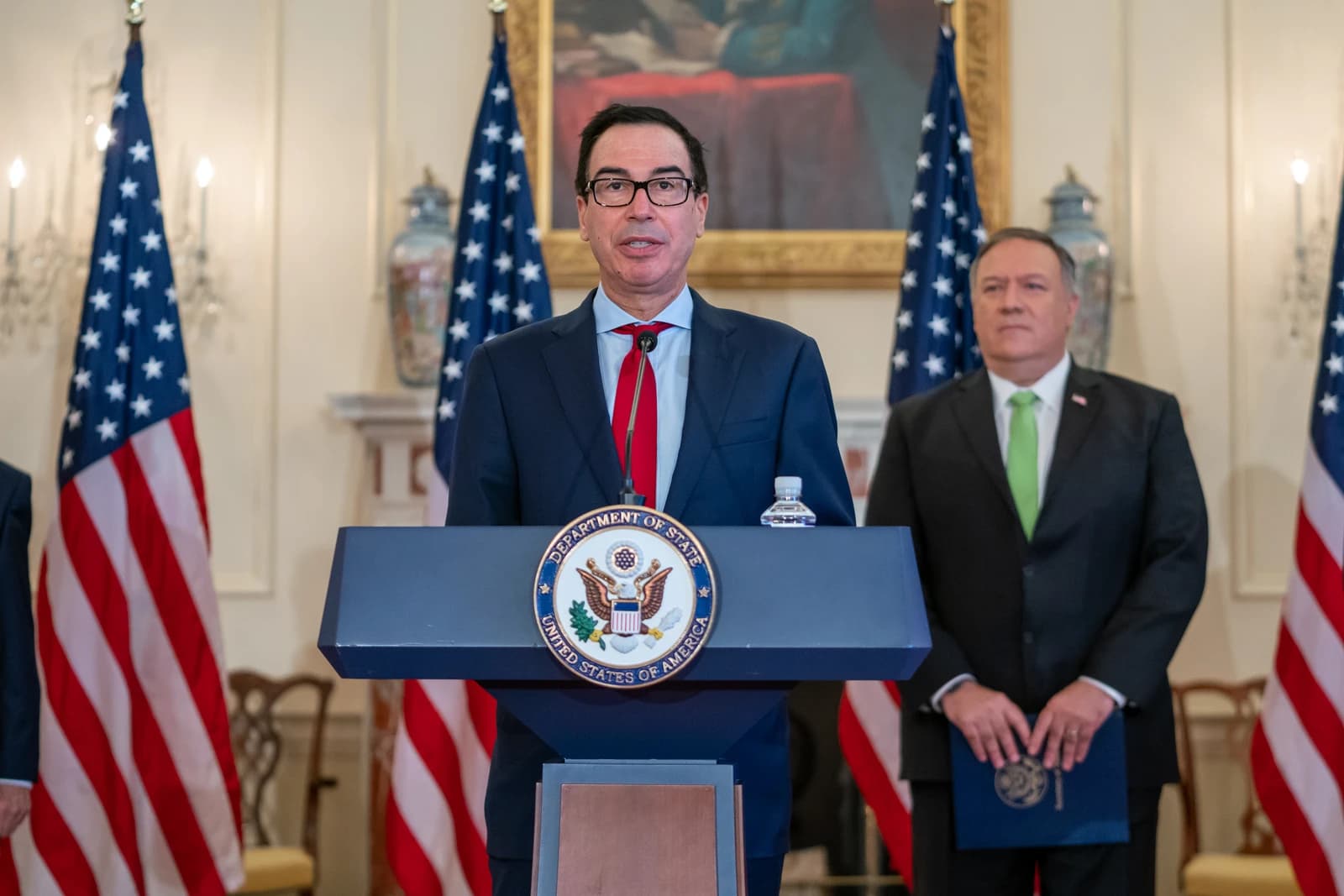
For investors, the immediate lesson is that sanctions enforcement is no longer just about Tehran’s banks or front companies in the Middle East. It is reaching into developed-market financial plumbing, including Canada, where small exchange businesses can still be accused of helping sanctioned entities move money. Treasury said the firms were based in Ontario and British Columbia and allegedly facilitated transactions for sanctioned Iranian entities, a reminder that compliance failures can trigger the harshest possible penalty: exclusion from the US financial system.
Sentiment Indicators
That matters economically because the dollar network remains the core artery of global trade and capital flows. Once Treasury designates a business, US banks cannot process its transactions, any assets it holds in the United States can be frozen, and counterparties are likely to walk away. Even for firms that are not household names, the effect is existential. Sanctions of this kind also raise the cost of compliance for money transmitters, exchanges and correspondent banks that must now screen more aggressively for Iran-linked activity.
Treasury paired the Canada action with a separate order against Seychelles-incorporated virtual currency exchanger MEXC Global, saying it had facilitated at least $16 billion in illicit transactions tied to Iran, North Korea and Russia. That expands the story beyond traditional money services into crypto and offshore payment channels, where regulators increasingly see sanctions evasion migrating as old routes are blocked. For markets, it is another sign that enforcement risk around digital assets remains elevated, particularly for venues exposed to cross-border flows and weaker know-your-customer controls.
The broader geopolitical message is equally clear: Washington is keeping pressure on Iran even as diplomatic tensions remain high and allies such as France sharpen their own response to alleged Iranian cyber activity. In practice, that means sanctions are likely to stay a live risk factor for financial firms with international footprints, especially those handling remittances, currency exchange and digital transfers.
Long term, investors should treat this as part of a durable trend: sanctions policy is becoming a structural feature of the global financial system, not a temporary burst of punishment. That favors well-capitalized institutions with strong compliance budgets and hurts firms that depend on thin margins and loose oversight. If you own banks, payment processors or crypto infrastructure businesses, the key question is not whether enforcement will intensify, but whether they are built to survive it.
| Entity | Gains | Losses |
|---|---|---|
| US Treasury | ▲Stronger enforcement reach | ▼None immediately |
| Sanctions-compliant banks | ▲Less illicit flow risk | ▼Higher compliance costs |
| Canadian money services firms | ▲— | ▼Dollar-system access |
| Crypto exchanges with weak controls | ▲— | ▼Regulatory pressure |