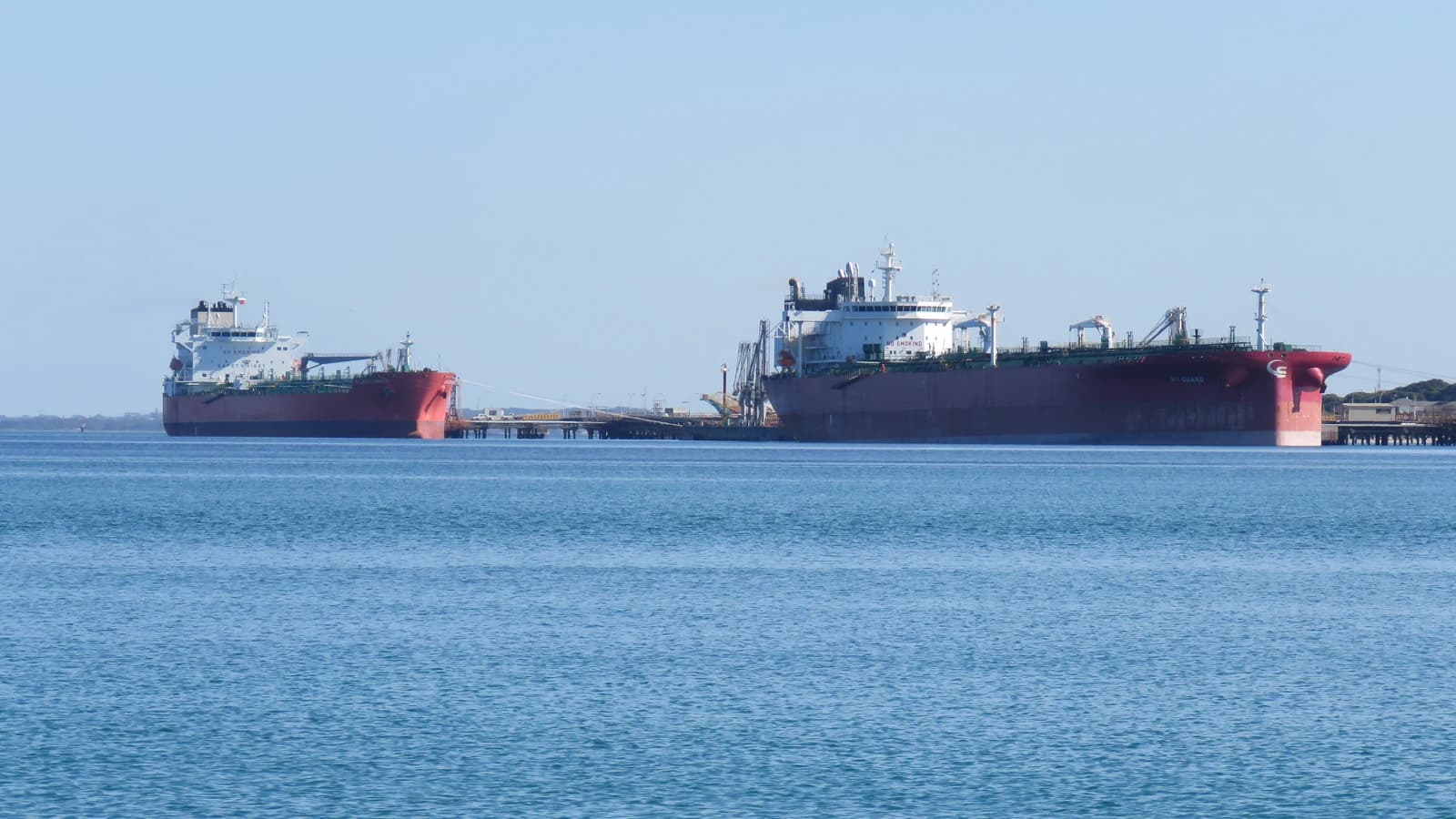
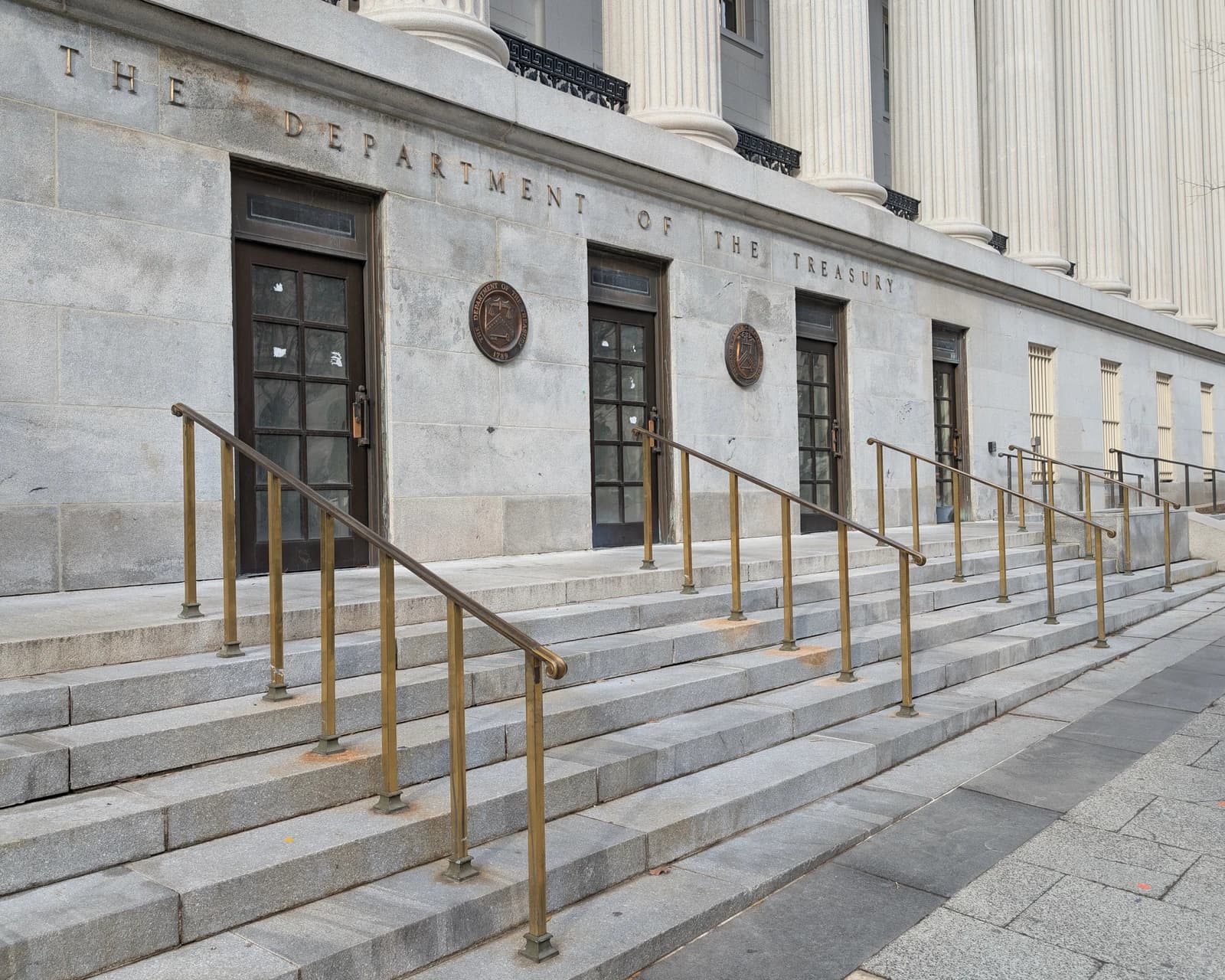
The US Treasury has widened its campaign against Iran’s export and finance networks, sanctioning five people, four companies and nine vessels in a move aimed at choking off the maritime, legal and banking services that help Tehran move sanctioned oil and steel.
US Treasury sanctions Iran oil and shipping network
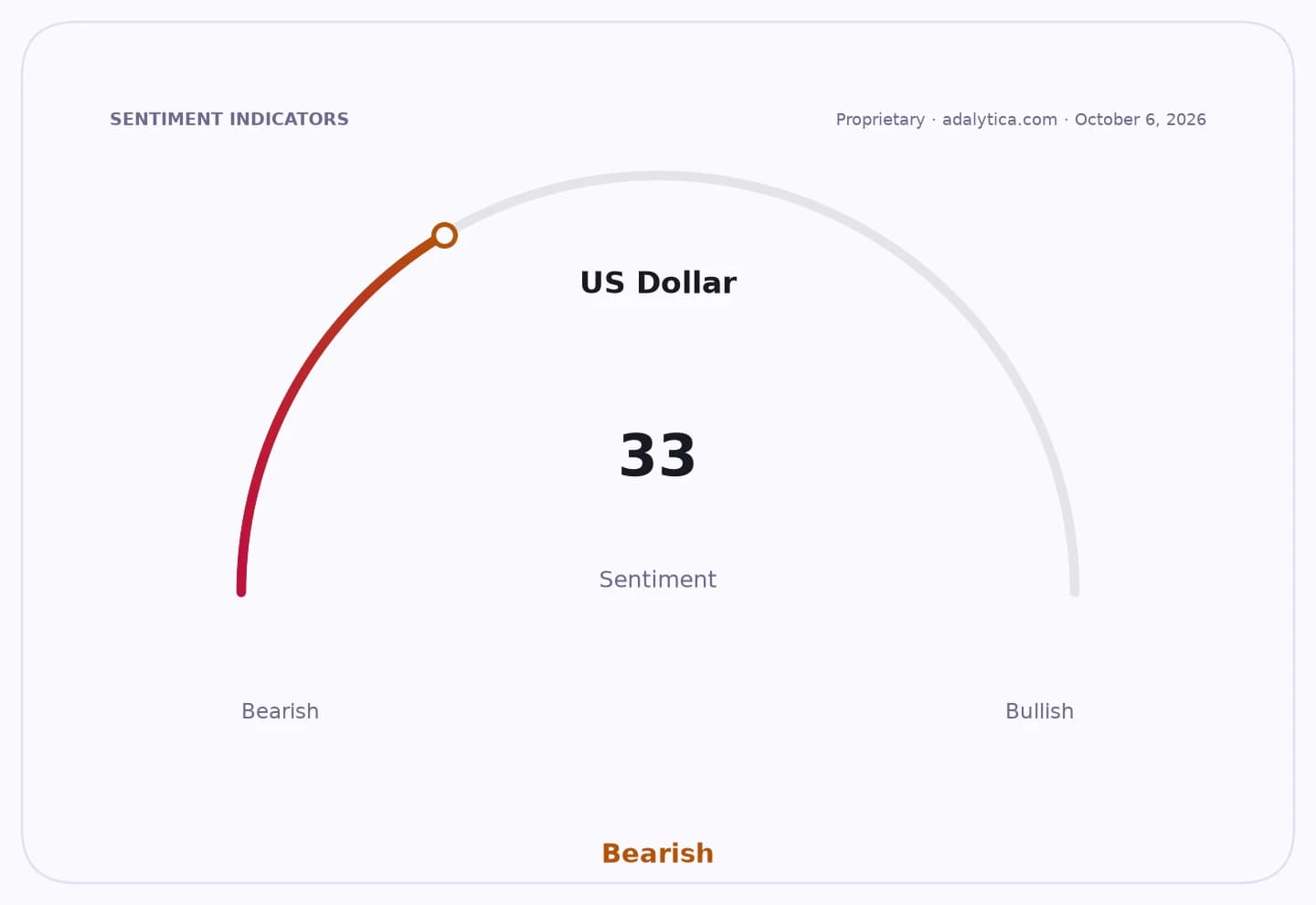
US Dollar
The latest designations matter economically because they target the plumbing of Iran’s trade, not just the cargo itself. By going after a Panama- and Greece-based law firm, shipping entities and a broader “shadow fleet,” Washington is trying to raise the cost of every leg of Iran’s export chain — from vessel ownership and flagging to legal representation, insurance, payments and port access. Treasury also said its financial-crime unit sent an administrative subpoena to a Greek bank as part of a separate inquiry and requested information from six other European banks about ties to sanctioned Iranian institutions, underscoring that the pressure campaign is moving beyond ships into correspondent banking and compliance risk.
Sentiment Indicators
That broader reach is why markets tend to pay close attention. Sanctions that disrupt maritime logistics can tighten the effective supply of Iranian crude and related products, even if volumes are rerouted through opaque intermediaries. In a world where benchmark oil prices are already sensitive to Middle East risk and supply discipline, any extra friction around Iranian barrels can feed into freight costs, refining margins and short-term price volatility. USO, the crude ETF, has climbed to $166.23 after trading as high as $169.53 on Friday, while the energy sector ETF XLE has risen to $69.64, reflecting a market that remains alert to any constraint on oil supply. DBC, a broader commodities basket, has also advanced to $33.78, suggesting investors are still pricing geopolitical risk into hard assets.
Treasury Secretary Scott Bessent made clear the intent was deterrence as much as enforcement, warning that Washington will reach those that support the Iranian system whether they are involved in offshore oil transfers or sitting in law offices. The naming of a legal services provider is notable because it signals the US is willing to target enablers that sit farther from the tanker decks but are still essential to keeping the network functioning. That raises compliance risk for maritime brokers, ship managers, insurers and lenders with any exposure to complex ownership structures, transshipment hubs or sanctioned counterparties.
For Iran, the sanctions add to the strain on an economy already reliant on opaque trade routes and non-Western channels to move oil and industrial exports. For the US, the measures are a low-cost way to sustain pressure without immediate military escalation, but their effectiveness will depend on enforcement and cooperation from foreign regulators and banks. The bullish case for oil is that every new restriction on shipping and finance makes Iranian exports harder and costlier to sustain; the bear case is that shadow-fleet operators adapt quickly, blunting the supply impact while leaving only higher compliance costs in their wake.
Investors will now watch for any follow-through from European banks and flag registries, as well as whether the sanctions translate into measurable disruption in tanker availability, freight rates or Iranian export volumes. The bigger signal is that Washington is still willing to broaden its net across the commercial ecosystem supporting Iran, which suggests more designations are likely if trade flows persist.
| Entity | Gains | Losses |
|---|---|---|
| US Treasury | ▲More enforcement leverage | ▼Higher compliance burden |
| Iran | ▲Short-term leverage narrative | ▼Shipping and finance access |
| Oil producers | ▲Tighter supply backdrop | ▼Potentially higher volatility |
| Banks and ship operators | ▲Clearer compliance lines | ▼Sanctions risk and lost business |