Libya’s central bank is heading into a rare meeting with the US Federal Reserve at a moment when the country’s financial system is under strain and the credibility of its monetary institutions is being tested.
Libya central bank meets Fed amid governance strain
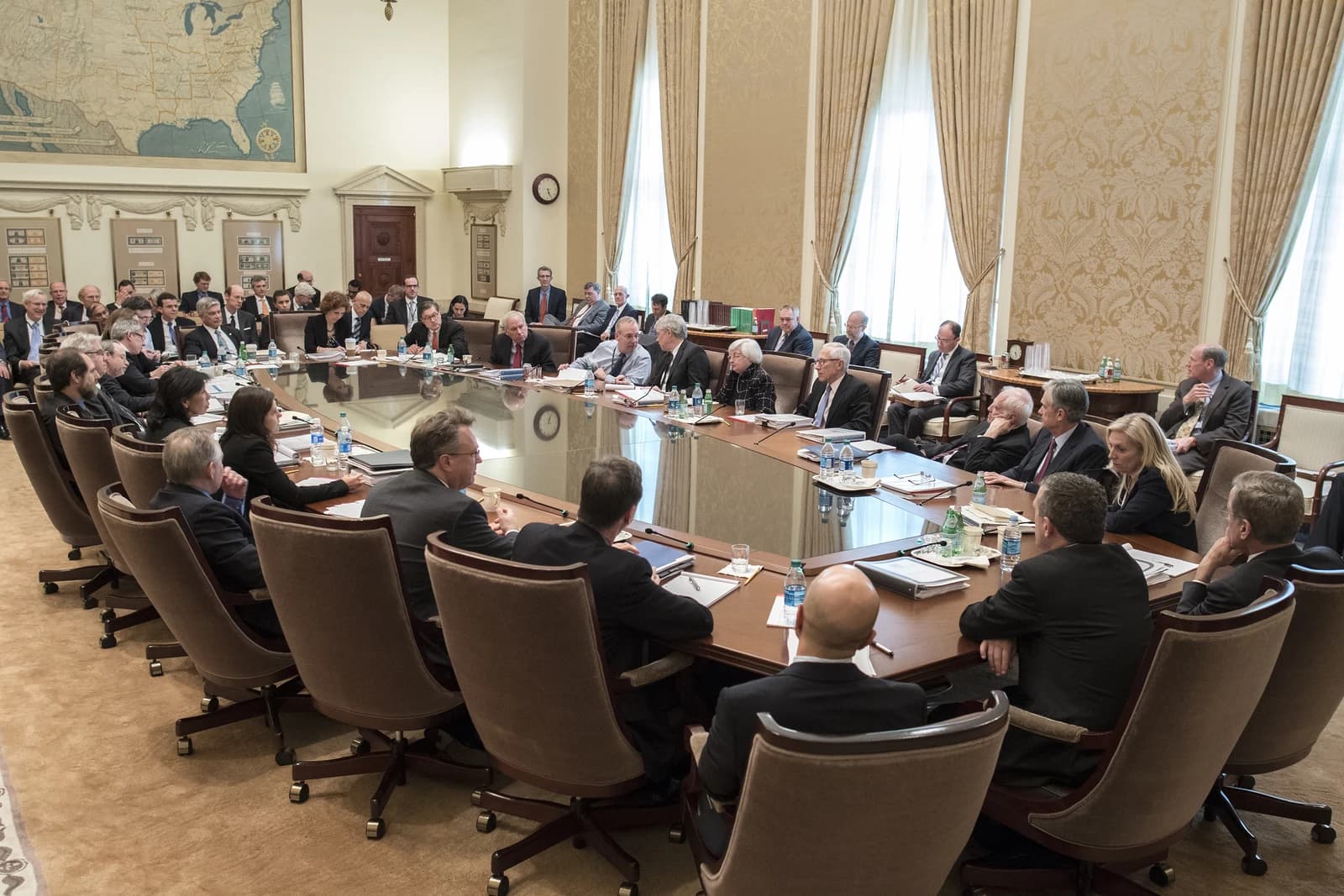
The talks matter because the Central Bank of Libya is trying to restore governance after an overnight raid on its headquarters and the forced removal of Governor Naji Issa, events that deepened concern over whether the institution can operate independently. Any engagement with the Fed would be viewed less as a routine diplomatic exchange than as a bid to rebuild confidence in Libya’s banking system, improve oversight and reconnect with the international financial architecture that supports oil receipts, payments and foreign reserves.
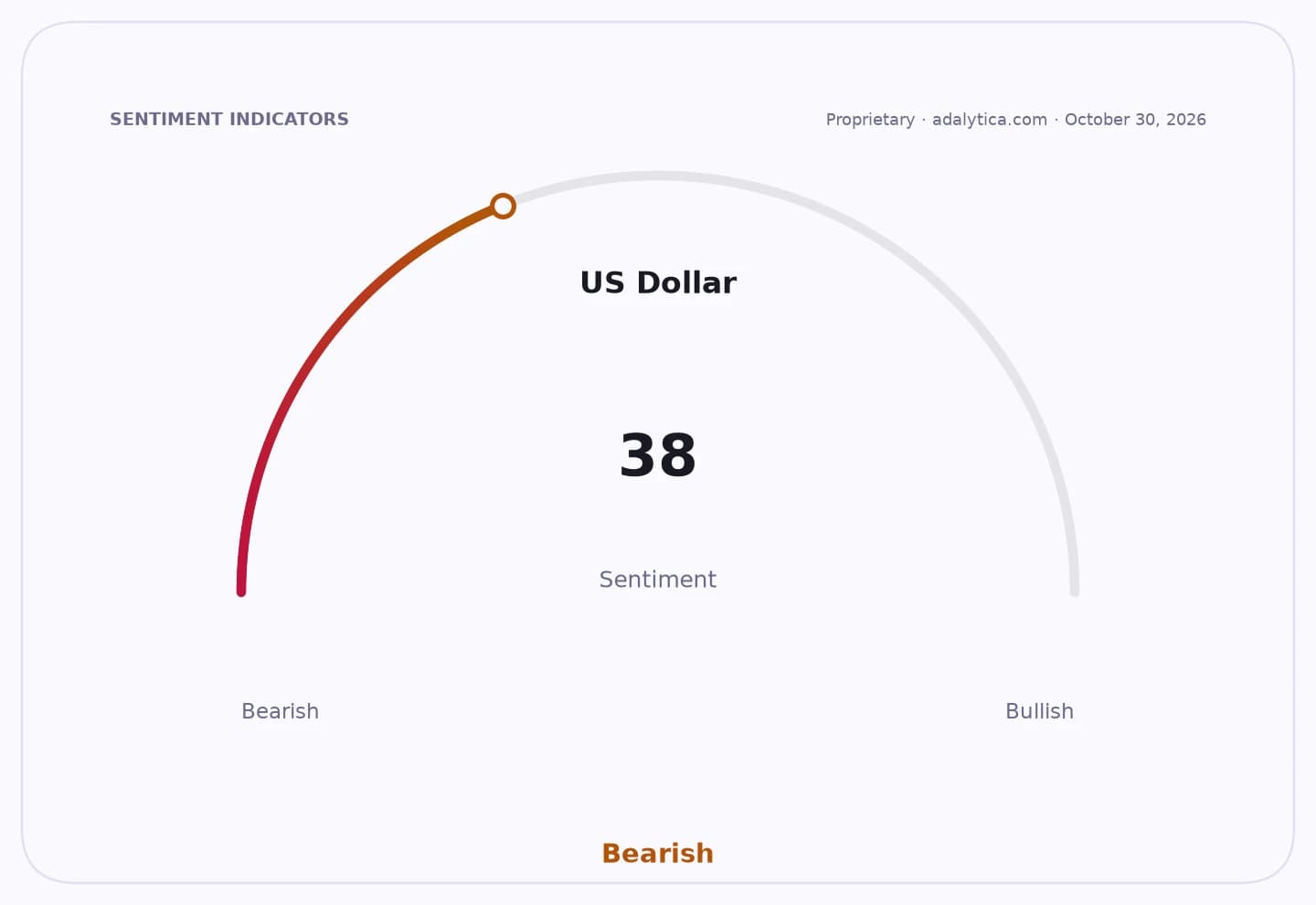
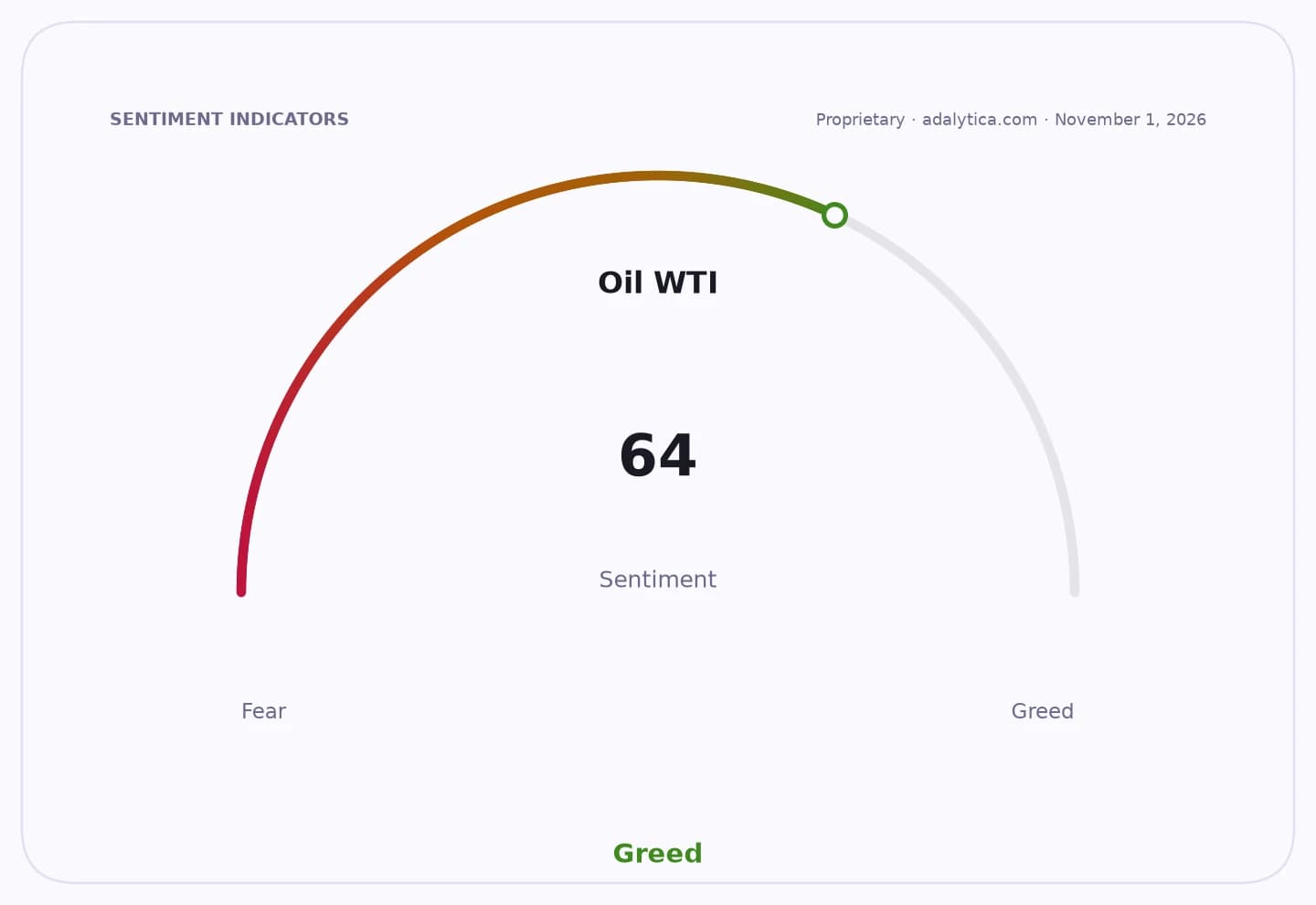
Sentiment Indicators
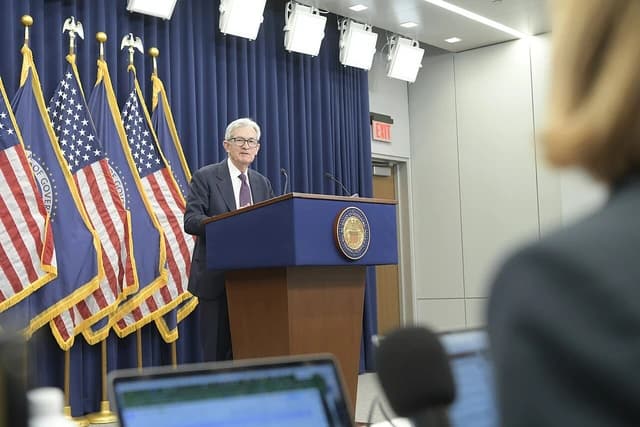
For investors, the significance is broader than Libya alone. Central bank stability is a prerequisite for functioning capital flows, credible reserve management and orderly access to dollar clearing. If the meeting produces a practical channel of cooperation, it could support Libya’s efforts to tighten controls, strengthen compliance and reduce the risk premium attached to its financial system. If it does not, the uncertainty could linger over oil revenue management and the country’s ability to translate hydrocarbon income into macroeconomic stability.
The backdrop is fragile. The Central Bank of Libya has already announced measures aimed at strengthening oversight and governance, while the US has voiced serious concern about the turmoil. The United Nations Support Mission and the World Bank have also been working to preserve the bank’s independence and help develop Libya’s financial system, underscoring how much external support is now needed to keep the institution functioning normally.
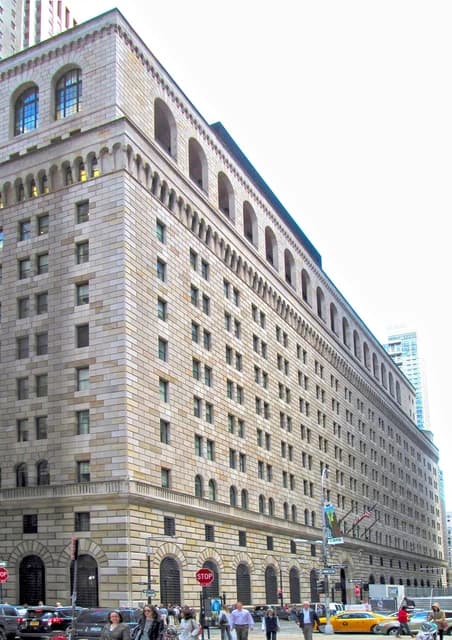
That makes the meeting important as a signal of whether Libya can move from crisis management to reform. A constructive outcome would not resolve the country’s political divisions or oil-sector disruptions, but it could help anchor a recovery in banking credibility. A failure to stabilize the central bank would leave investors confronting the same problem that has dogged Libya for years: a resource-rich economy without the institutional discipline needed to turn oil income into durable financial strength.
| Entity | Gains | Losses |
|---|---|---|
| Central Bank of Libya | ▲Reform support | ▼Loss of credibility |
| US Federal Reserve | ▲Regional influence | ▼Exposure to instability |
| Libya’s oil economy | ▲Better oversight | ▼Payment and governance risk |
| Investors and counterparties | ▲Clearer rules | ▼Higher risk premium |