The United Nations mission in Libya has warned that pressure on the central bank to finance rising public spending could weaken the dinar, stoke inflation and accelerate the depletion of foreign reserves, underscoring how fragile the country’s economic balance remains.
Libya UN Mission Warns on Central Bank Pressure
The warning matters because Libya’s macro stability still depends heavily on the Central Bank of Libya’s ability to shield foreign exchange reserves from political spending demands. In a country where oil revenues fund most state expenditure and the banking system remains the main channel for managing hard currency, any erosion in the central bank’s independence can quickly translate into a weaker exchange rate and higher imported prices.
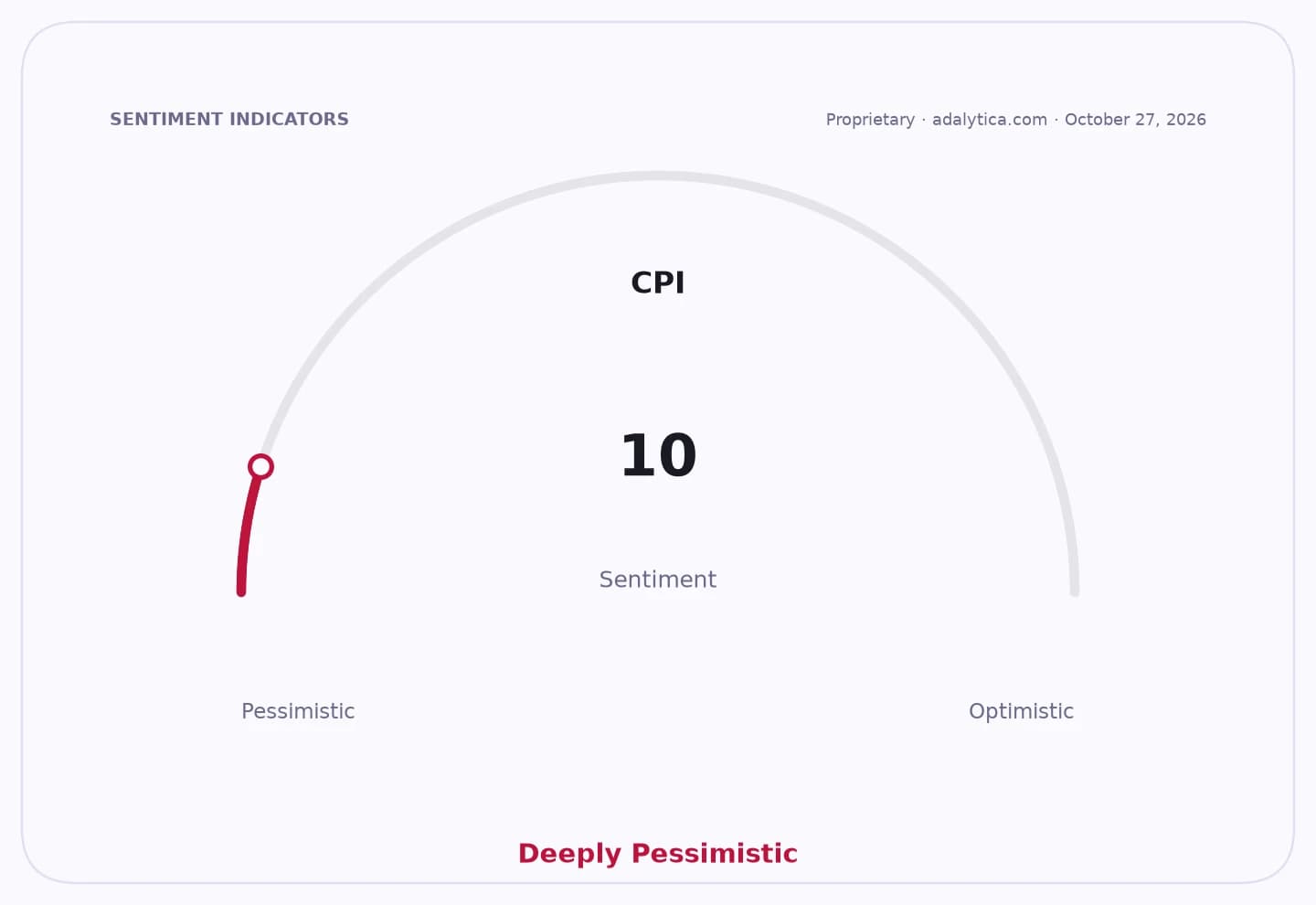
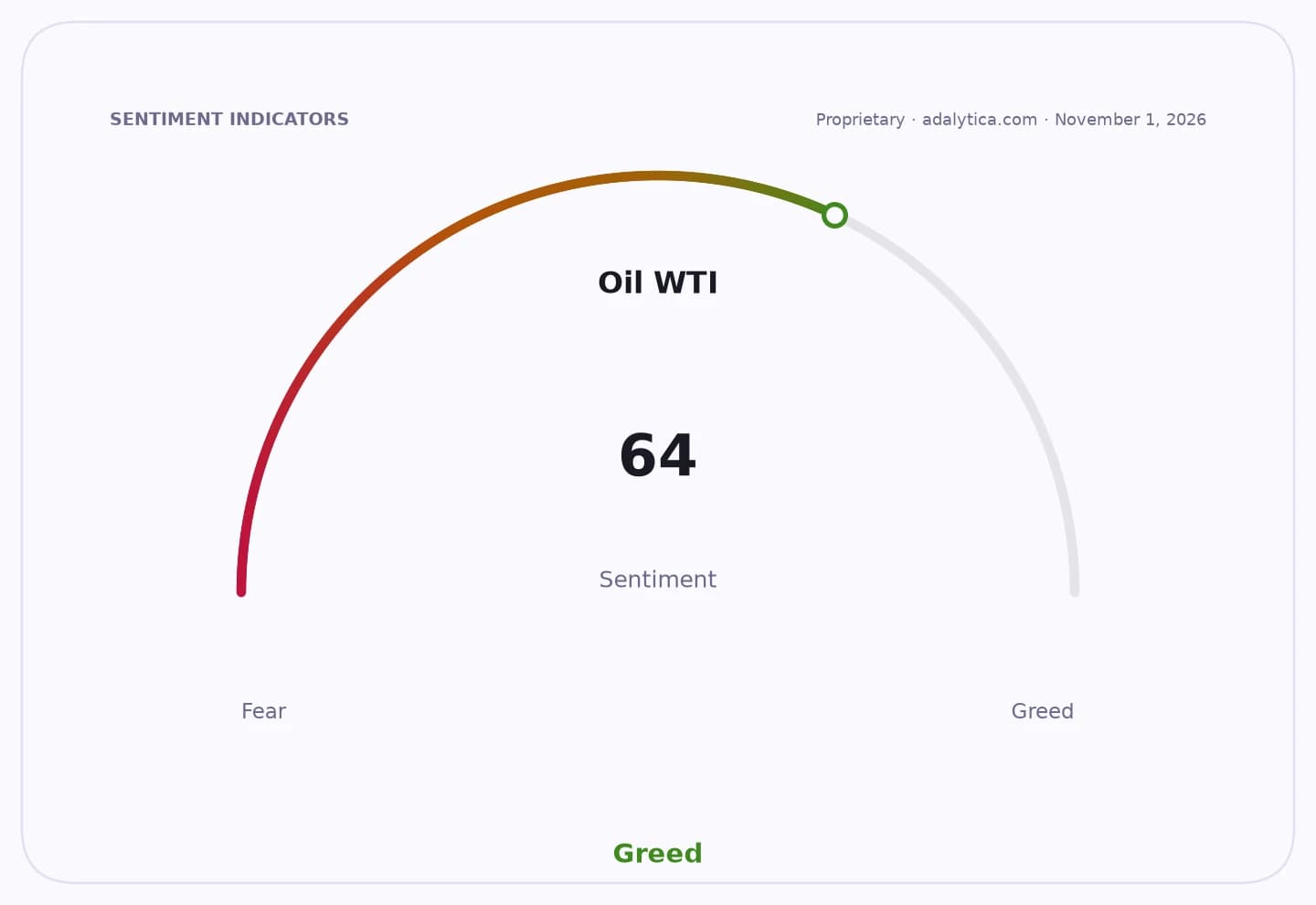
Sentiment Indicators
The mission said it was following developments around the House of Representatives’ decision on the bank’s leadership, but stressed that any change must be rooted in better governance, stronger oversight and legal process. That reflects the core market concern: Libya’s monetary institutions are not just technical bodies, but the backbone of currency management, reserve preservation and banking-sector regulation.
The intervention also lands against a backdrop of persistent currency stress. Recent reporting has pointed to a package of central bank measures aimed at stabilising the dinar through tighter foreign-exchange management and greater financial discipline. Even with a reported $33 million increase in reserves, authorities acknowledge that exchange-rate moves alone will not restore lasting stability without broader fiscal and economic reform.
For investors and creditors, the risk is straightforward. If public spending continues to be financed in ways that force the central bank to expand liquidity or tap reserves, the dinar could come under further pressure, inflation could accelerate and confidence in Libya’s policy framework could deteriorate. That would complicate trade settlement, import financing and the country’s ability to keep essential goods flowing into the economy.
There is also a geopolitical dimension. The UN mission’s message effectively backs institutional continuity at the central bank at a time when rival domestic actors are contesting control over key state levers. A prolonged struggle over the bank’s leadership would not just be a governance dispute; it would raise the odds of monetary fragmentation, reserve leakage and renewed social strain.
For now, the key issue for markets is not whether Libya can announce another exchange-rate support measure, but whether it can keep fiscal demands from overwhelming the central bank’s balance sheet. Without that restraint, the dinar’s stability will remain temporary, and the reserve position will stay vulnerable to political pressure.
| Entity | Gains | Losses |
|---|---|---|
| Central Bank of Libya | ▲Institutional independence | ▼Political spending pressure |
| Libyan dinar | ▲Policy discipline | ▼Exchange-rate depreciation risk |
| Importers and consumers | ▲Price stability | ▼Higher inflation |
| Rival political actors | ▲Short-term leverage | ▼Credibility and market confidence |