Zimbabwe’s government has ruled out replacing its own money with the US dollar, a move that keeps the country’s fragile currency regime in place and signals authorities are not ready to surrender one of their last policy levers.
Zimbabwe rules out replacing currency with US dollar
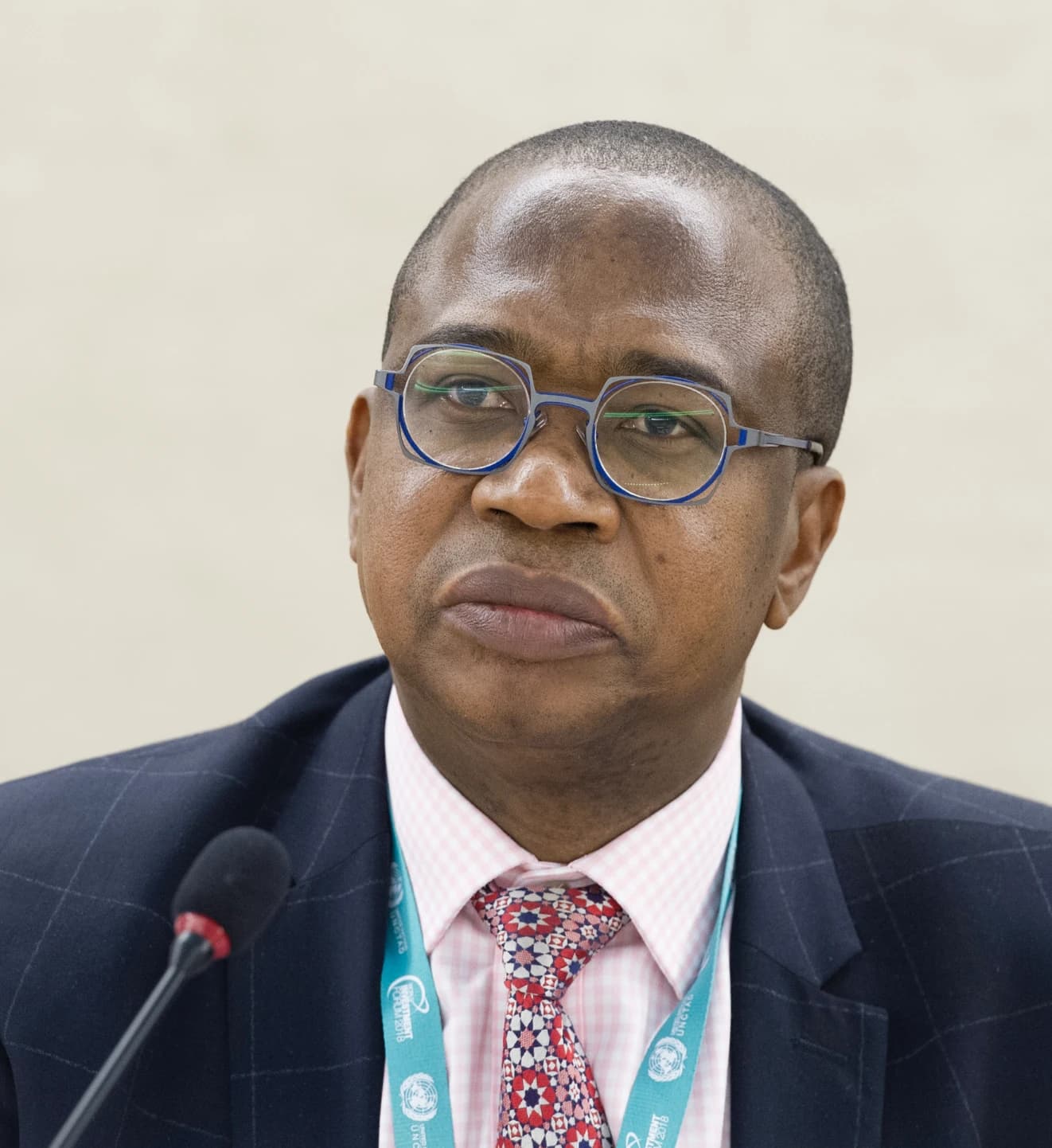
Finance Minister Mthuli Ncube called full dollarization “suicidal,” according to the state-run Sunday Mail, underscoring the government’s view that abandoning the Zimbabwean currency entirely would strip it of seigniorage income and leave fiscal and monetary policy at the mercy of imported dollar conditions.
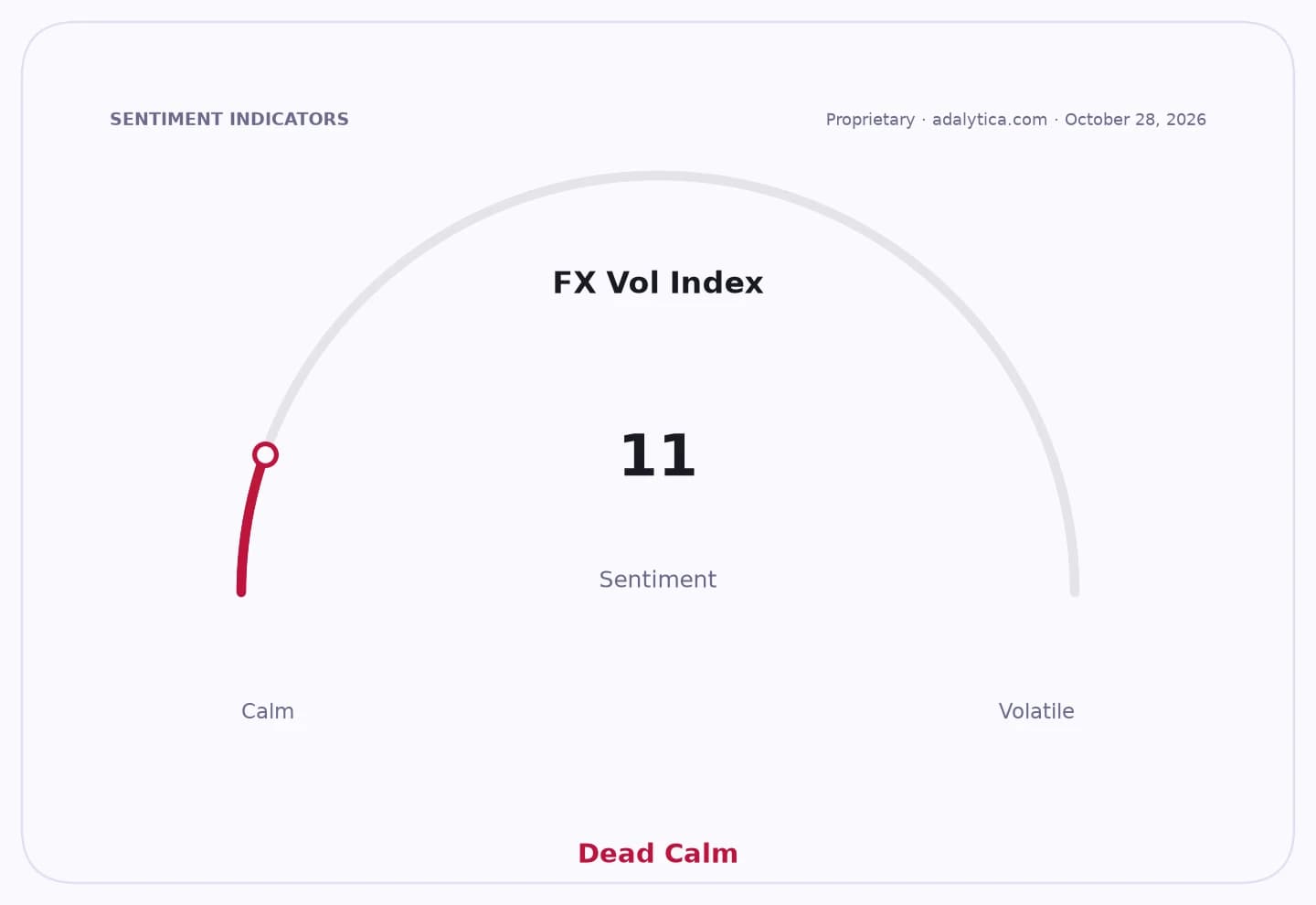
Sentiment Indicators

That matters economically because Zimbabwe is still fighting to restore confidence in local money after years of inflation, exchange-rate instability and repeated currency reforms. A sole-US-dollar system would likely stabilize prices faster, but it would also force the state to fund itself without the ability to print domestic cash, a constraint that can be brutal for an economy with thin foreign-exchange reserves and uneven export earnings.
For investors, the refusal to dollarize is both a warning and an opportunity. It warns that policy volatility remains high and that any gains in pricing stability or capital inflows may be fragile. But it also creates a setup where hard-asset businesses, exporters and firms with dollar revenues can continue to benefit from local-currency weakness and periodic dislocations, while import-heavy sectors remain exposed to currency risk and balance-sheet stress.
The backdrop is a global market that still prizes the US dollar as the ultimate safe asset. Conventional technical indicators on the dollar, including the 50-day and 200-day moving averages for dollar-linked assets and standard momentum gauges such as RSI and MACD, have reflected a still-powerful trend even as near-term pullbacks appear. Adalytica’s US Dollar Trade Signals snapshot also shows the greenback in “Fear” sentiment but “Extreme Greed” awareness, a reminder that the currency remains heavily watched and potentially crowded.
That external dollar strength helps explain why Zimbabwe is resisting the simplest fix. Dollarization can stop hyperinflation, but it can also lock in austerity, constrain credit and make any domestic downturn harder to manage. For a government already balancing public finances, social pressure and the need to preserve policy autonomy, giving up the currency would be a drastic surrender.
The more likely path is continued muddling through: tighter controls, periodic currency adjustments and efforts to coax confidence back into the local unit without fully abandoning it. For investors, the key is to focus on businesses that can earn in hard currency, hedge inflation or profit from currency scarcity, because Zimbabwe’s refusal to dollarize means the underlying FX risk is not going away.
| Entity | Gains | Losses |
|---|---|---|
| Zimbabwe government | ▲policy control | ▼credibility with investors |
| US dollar | ▲reserve-currency demand | ▼none directly |
| Exporters/hard-currency earners | ▲pricing power | ▼local-currency volatility |
| Importers/local-currency borrowers | ▲none | ▼FX losses, higher costs |