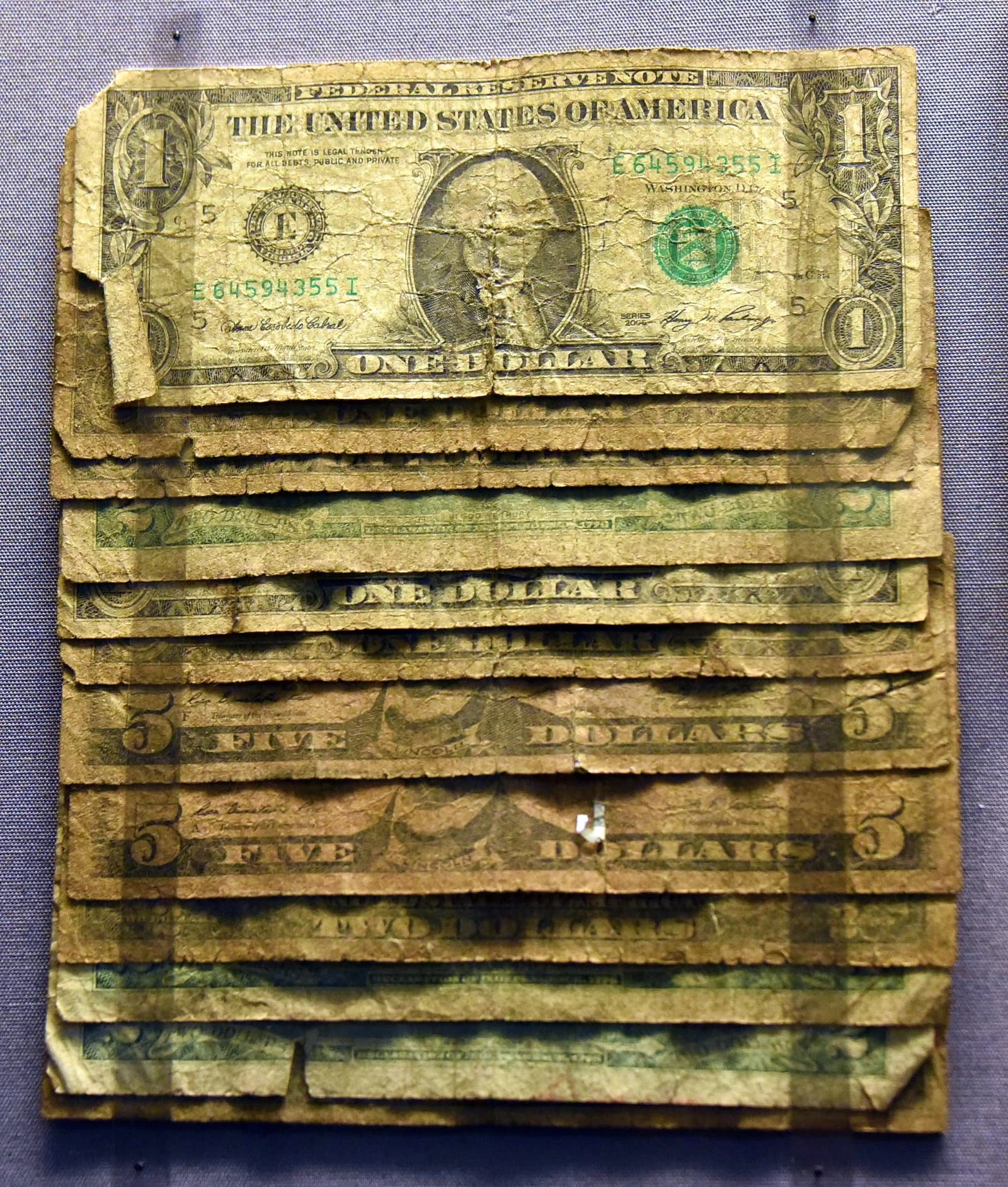
Zimbabwe’s gold-backed ZiG may have been designed to restore confidence, but the US dollar still does the one thing people and businesses care about most: it holds its value. That is why, despite repeated efforts to push the local currency deeper into everyday use, Zimbabweans continue to price, save and settle transactions in dollars whenever they can.
Zimbabwe ZiG struggles as dollar stays dominant
For investors, the real story is not simply about one currency losing out to another. It is about trust, inflation memory and the speed at which an economy can rebuild monetary credibility after years of instability. A gold link can help, but it does not automatically create faith in a new unit of account. People adopt currencies when they believe prices will stay stable, wages will keep pace and they will not be forced to convert their savings again at a loss.
Sentiment Indicators
That is especially important in a country like Zimbabwe, where businesses need predictability to plan imports, inventory and payroll. If merchants, landlords and workers still prefer dollars, the ZiG struggles to become the dominant medium of exchange, no matter how well it is engineered on paper. In practical terms, that keeps the economy partially dollarized and limits the central bank’s ability to steer credit and liquidity through its own currency.
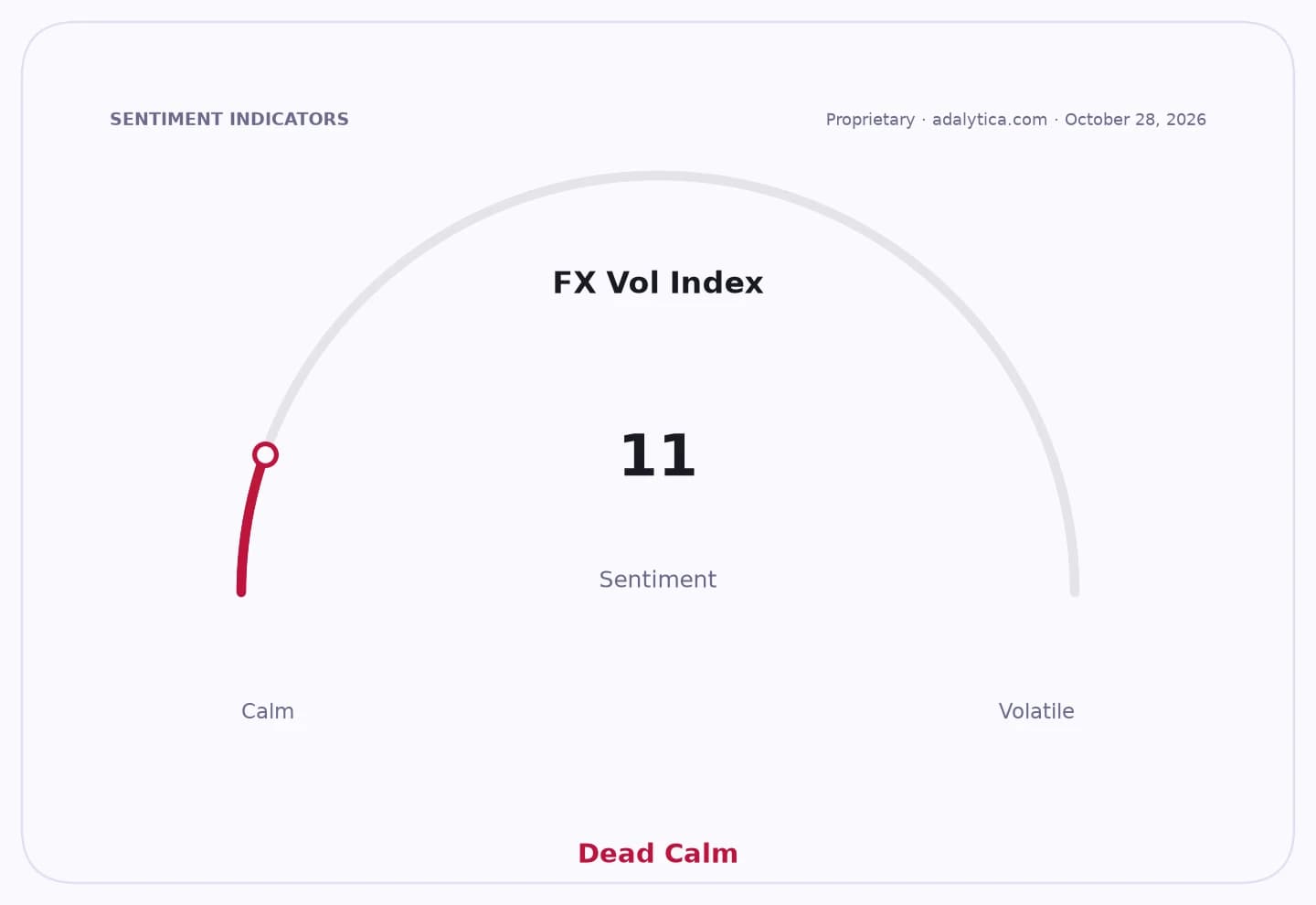
The broader backdrop also matters. The US dollar has been softening globally, according to Adalytica.com’s US Dollar Trade Signals, but it remains the world’s benchmark currency and a refuge in uncertain times. Adalytica’s FX volatility gauge is flashing “Extreme Fear,” underscoring how sensitive currency markets remain to policy shifts, inflation and geopolitics. Even with the dollar under pressure abroad, Zimbabweans are still choosing it over ZiG because relative weakness elsewhere does not erase the dollar’s credibility at home.
That leaves Zimbabwe in a familiar bind. A gold-backed currency can improve the optics of stability, but lasting change requires more than metal reserves. It needs disciplined policy, low inflation and a track record long enough to convince savers that the new unit will not be another temporary experiment. Until then, the dollar’s advantage is likely to endure, and investors should read that as a reminder that in emerging markets, monetary trust can be more valuable than the backing of gold itself.
| Entity | Gains | Losses |
|---|---|---|
| US dollar | ▲Trusted store of value | ▼None in Zimbabwe’s short term |
| ZiG | ▲Policy support, legal status | ▼Public confidence, circulation |
| Zimbabwe consumers | ▲Dollar savings, price stability | ▼Local-currency adoption |
| Zimbabwe authorities | ▲A chance to rebuild credibility | ▼Monetary control and flexibility |