Libya’s plan to bring a new gas project online by June 30, 2026, with output of 800 million cubic meters a year, matters because it points to a bigger shift: the country is trying to turn a fragile energy system into a more dependable source of supply just as global gas markets remain jumpy and investors keep paying for reliability.
Libya Gas Project Signals Modest Supply Boost

For long-term investors, that’s the real story. More Libyan gas does not just mean one more project on a map. It means a country with some of Africa’s most important hydrocarbons is trying to rebuild production, improve measurement and distribution, and attract foreign capital after years of disruption. If Libya can keep expanding output, it strengthens the case that North African energy assets remain relevant to global supply security, especially when geopolitical stress can quickly tighten markets elsewhere.
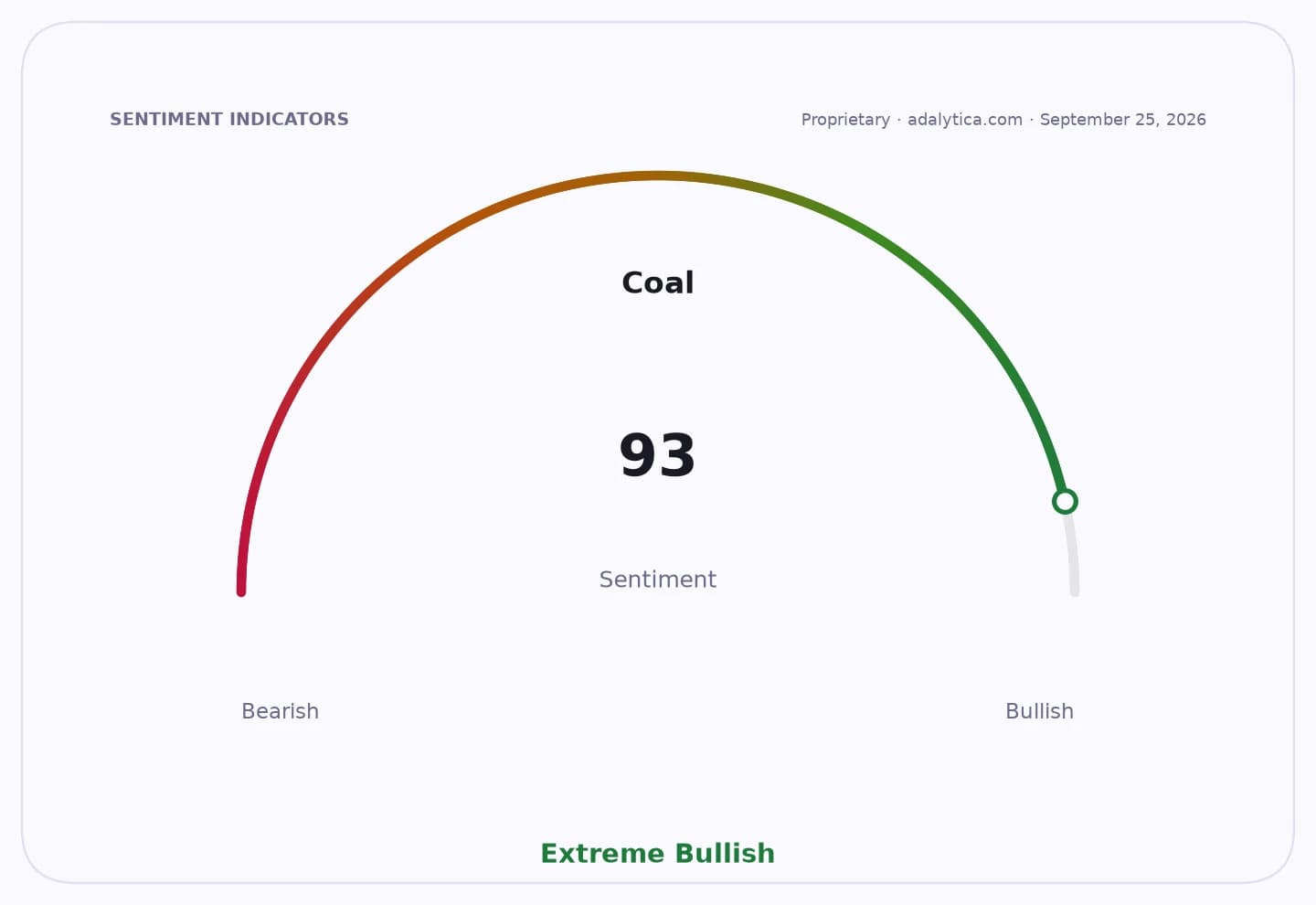
Sentiment IndicatorsⓘProprietary · adalytica.com · July 15, 2026
This is a snapshot — live sentiment, awareness and momentum for 130+ markets update continuously in the dashboard.Open AlphaPulse
The scale is meaningful. Libya produced 11.7 billion cubic meters of gas in 2025, according to the context, so an additional 800 million cubic meters a year would be a material boost to an already important base. It also comes alongside an oil and production-sharing agreement with Qatar-based UCC Holding aimed at 80,000 barrels a day, signaling that the gas project is part of a wider effort to accelerate upstream development, not a one-off announcement.
That broader push matters economically because Libya needs export revenue, infrastructure investment and operational credibility. Better measuring systems and expanded domestic gas distribution can reduce waste, improve collection and support local energy access, while stronger output can help the state earn more from exports and lessen pressure on public finances. In a country where energy output has often swung with politics and security, even incremental gains in reliability can have an outsized effect on economic stability.
Markets are already telling a similar story. Natural gas trade signals from Adalytica.com show sentiment at 82, or “Greed,” after a sharp 30-day rise, suggesting traders are again leaning toward tighter conditions and stronger pricing. At the same time, the global stability gauge sits in “Extreme Fear,” which is exactly the kind of backdrop that can make new supply from a politically complicated producer like Libya more valuable. Investors often reward projects that reduce dependence on any single region or shipping lane.
Energy equities have also been sensitive to these shifts. The Energy Select Sector SPDR Fund has held up well over the past year, while oil-field services names such as OIH remain tied to the pace of upstream spending. If Libya’s revival continues, service companies, engineering contractors and international partners could benefit from more project work. The bigger winners, though, may be consumers and importers who gain another source of supply in a market that still prices in disruption.
There are obvious risks. Libya’s history is full of production interruptions, and any project there has to clear security, governance and execution hurdles. But investors do not need perfection to make money from the theme. They need durable improvement. If the country can steadily raise output, improve transparency and keep foreign partners engaged, the payoff could compound over years rather than weeks.
For investors, the lesson is simple: Libya is worth watching as a reminder that energy resilience often comes from places the market has ignored. A new 800 million-cubic-meter-a-year gas project is not enough by itself to transform the global market, but it is the kind of incremental supply gain that can matter in a tight world. Long-term investors should keep it on the watchlist.
| Entity | Gains | Losses |
|---|---|---|
| Libya | ▲export revenue | ▼production risk |
| Global gas buyers | ▲supply security | ▼pricing power |
| Energy service firms | ▲more project work | ▼delayed execution |
| Existing exporters | ▲stable demand | ▼added competition |