Libya’s national oil company is advancing a gas infrastructure project at the Masla and Sarir fields that could channel about 34 million cubic feet a day of associated gas into productive use instead of flaring it, a move that matters for state revenue, domestic energy supply and emissions reduction.
Libya NOC Advances Masla and Sarir Gas Project
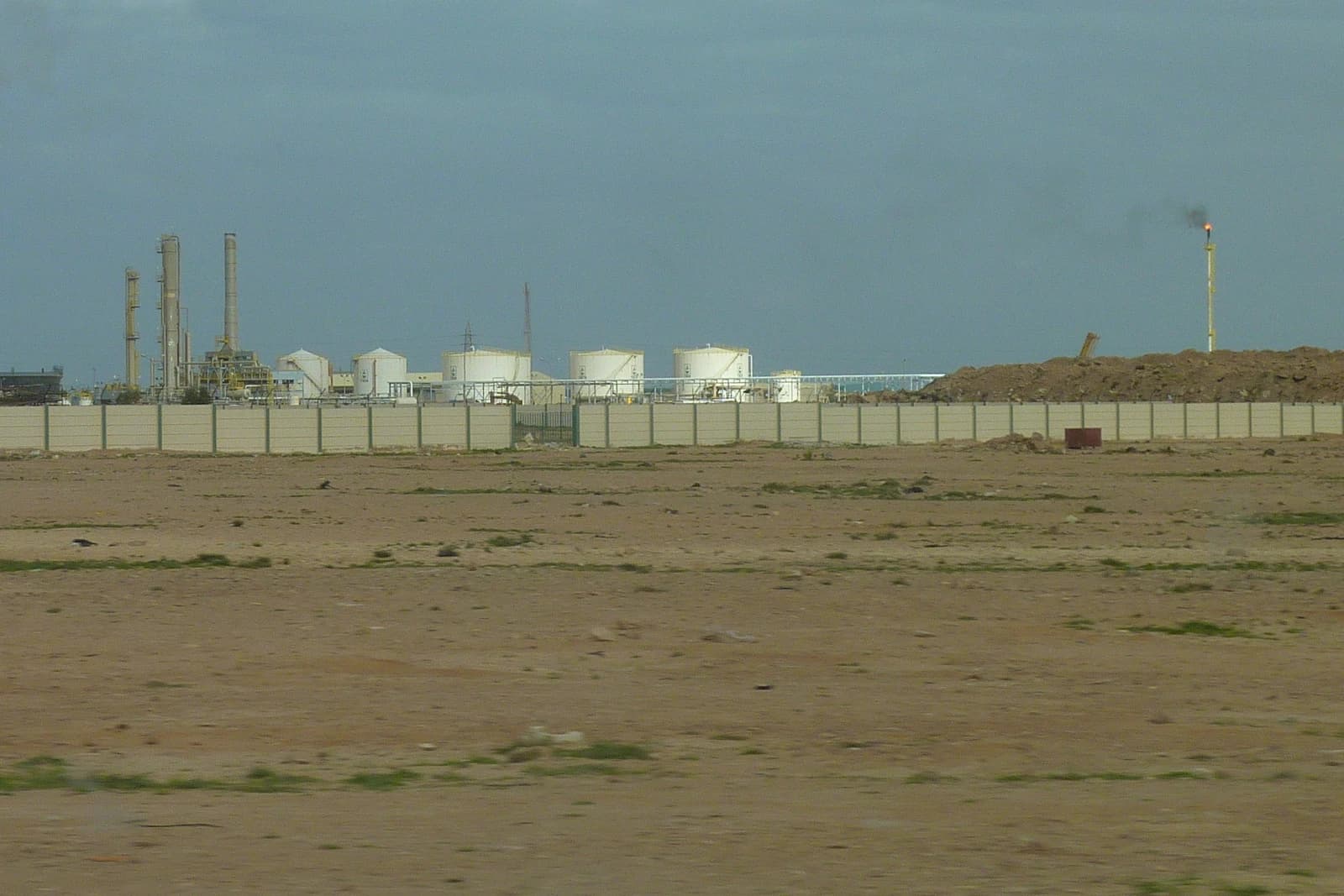
The company said it reviewed the first phase of an engineering study for the project with SLB and agreed to move into a second phase that will complete technical and detailed work in the first quarter of 2027. That keeps the project on a long timeline, but it also signals Libya is trying to turn a waste stream into a commercial asset at a time when producers across the region are under pressure to reduce flaring and raise recovery rates.
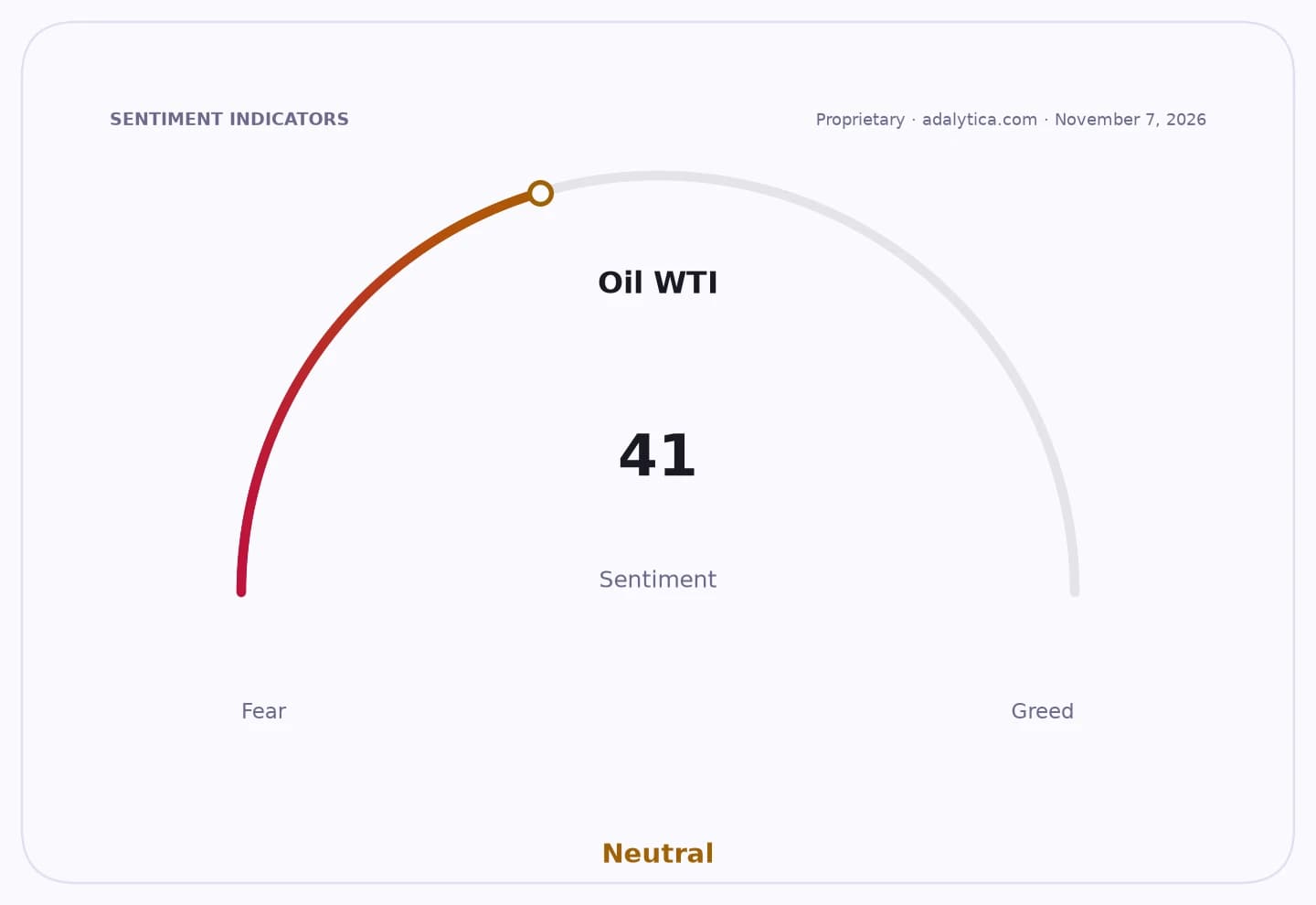
Sentiment Indicators
For Libya, the economics are straightforward: capturing gas that is currently burned can add supply to power generation and industry while lifting returns from existing oilfields. The project also fits the National Oil Corp.’s broader 2030 flare-reduction initiative, which is aimed at maximizing national resources and improving environmental performance without relying on major new field discoveries.
SLB’s role underscores the technical complexity of building gas handling infrastructure in mature fields, where gathering systems, processing capacity and integration with existing operations can be as important as reservoir quality. The involvement of Arabian Gulf Oil Co. engineers suggests the next phase will focus on whether the scheme can be engineered into a bankable execution plan rather than remain a study.
The development is part of a wider push in oil-producing states to squeeze more value from existing assets as gas becomes more important for power balance, export potential and emissions targets. It also comes as investors watch for signals that Libya can translate project announcements into actual barrels and molecules in a sector long constrained by underinvestment, insecurity and infrastructure gaps.
If the second phase advances on schedule, the next catalyst will be whether the project secures the approvals, funding and field-level execution needed to move from design work to construction.
| Entity | Gains | Losses |
|---|---|---|
| Libya’s National Oil Corp. | ▲Higher gas recovery | ▼Continued flaring losses |
| SLB | ▲Engineering work and fees | ▼No immediate downside |
| Arabian Gulf Oil Co. | ▲Better field monetization | ▼Higher project complexity |
| Power users and industry in Libya | ▲More domestic gas supply | ▼Reliance on flared gas if delayed |