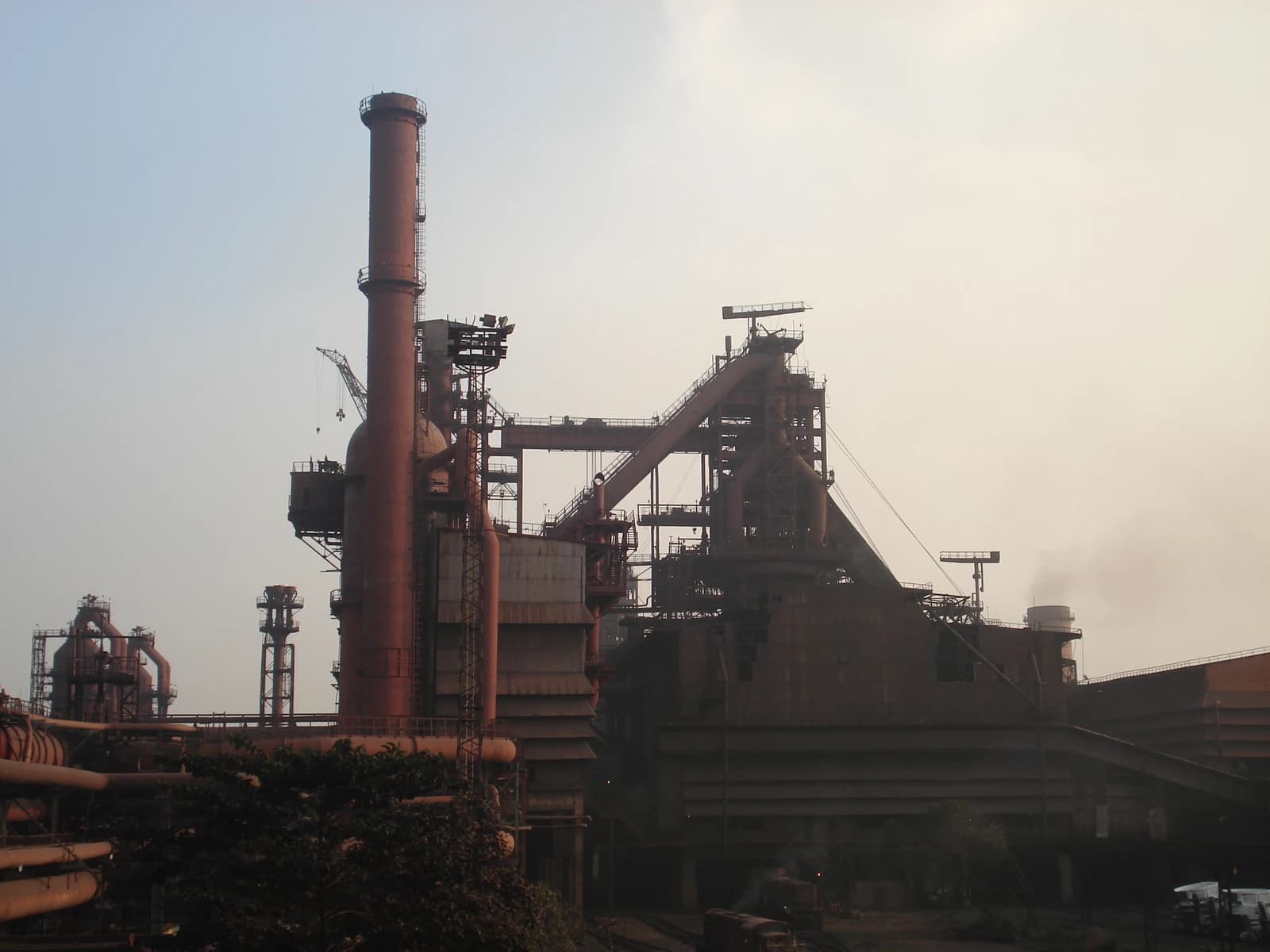
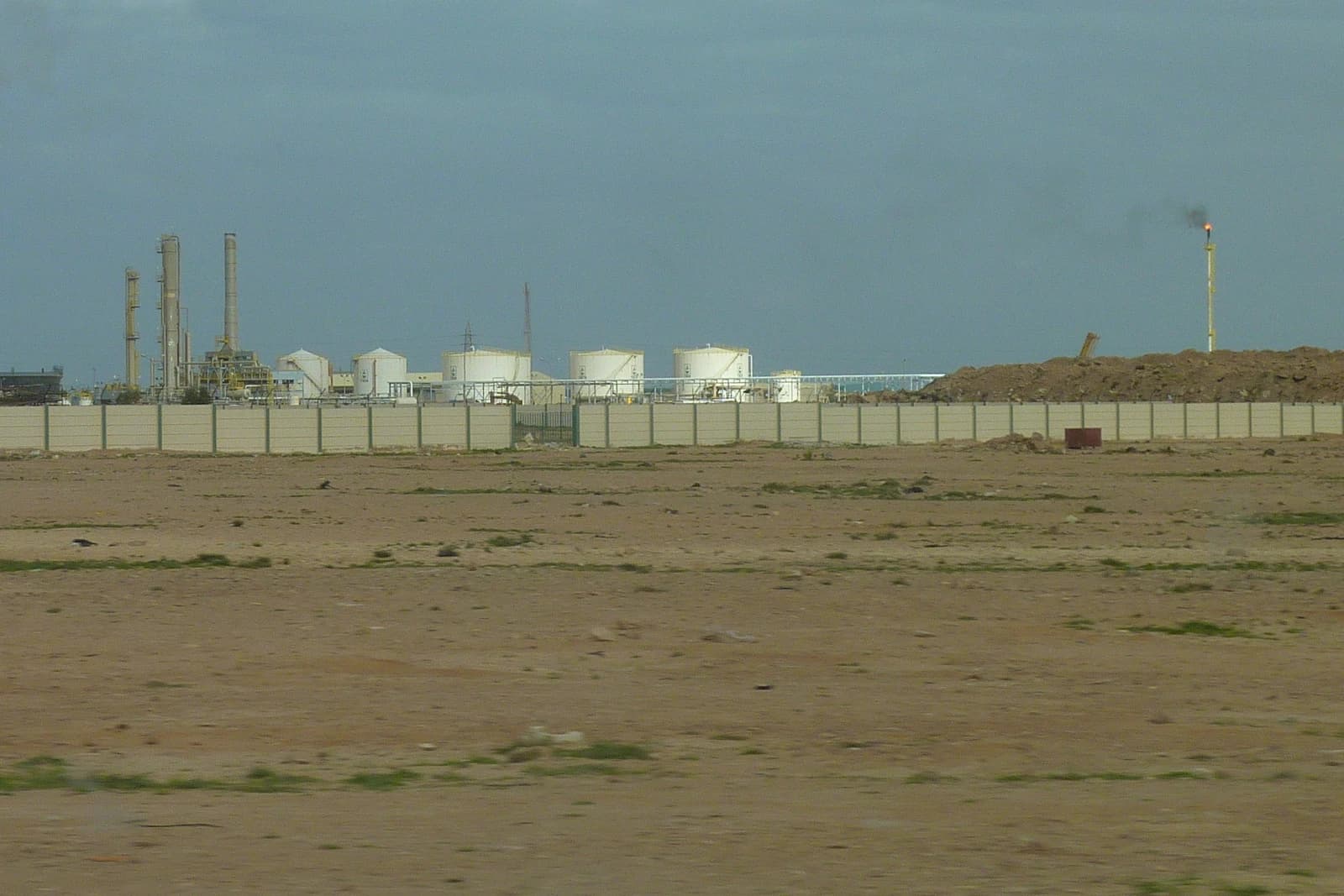
The Libyan Iron and Steel Company has opened talks with U.S. engineering group Midrex on upgrading its direct reduction plants, a move that could lift capacity at one of Libya’s key industrial assets and reduce bottlenecks in a sector where modernization is often constrained by financing, logistics and geopolitical risk.
LISCO talks with Midrex on plant upgrade
LISCO said the discussions in Cairo centered on an engineering, procurement and construction model covering design, equipment supply and construction work, with Midrex potentially overseeing delivery alongside other contractors. The company did not disclose the size of the investment or the expected increase in output, but said the project is intended to modernize production facilities, improve efficiency and raise production.
Sentiment Indicators
For Libya, the significance goes beyond one plant. Steel is a foundational input for construction, infrastructure and industrial activity, and any sustained increase in domestic output can ease reliance on imports while supporting broader economic recovery. A direct reduction upgrade is also strategically important because it can improve metallics quality and throughput, making downstream steelmaking more competitive in regional markets.
The talks also underline the continuing relevance of Western industrial technology in Middle Eastern and North African heavy industry, even as regional producers seek to expand capacity and lower costs. Midrex, best known for direct reduction iron technology, would bring established know-how to a project that likely requires substantial equipment integration and project management discipline. For LISCO, an EPC structure could reduce execution risk if funding and final contracting are secured.
Investor interest is likely to be centered on whether the project becomes a concrete capital spending program rather than a preliminary discussion. Upgrades of this sort can be capital intensive, time consuming and vulnerable to delays, especially in markets where power supply, transport links and project financing can be uncertain. But if implemented, the payoff can be meaningful: higher utilization, lower unit costs and a stronger operating base for a company that has long been seen as central to Libya’s industrial ambitions.
The broader steel backdrop is one of expansion and reinvestment, with producers globally adding capacity or upgrading plants to secure supply and improve efficiency. LISCO’s talks fit that pattern, but the company’s challenge will be converting a strategic intent into a bankable project in a market still shaped by political and operational risk.
| Entity | Gains | Losses |
|---|---|---|
| LISCO | ▲Higher capacity, efficiency gains | ▼Execution risk, capital outlay |
| Midrex | ▲EPC opportunity, technology sales | ▼Project delay risk |
| Libya's construction sector | ▲More domestic steel supply | ▼None if project stalls |
| Steel importers | ▲None | ▼Potentially weaker demand |