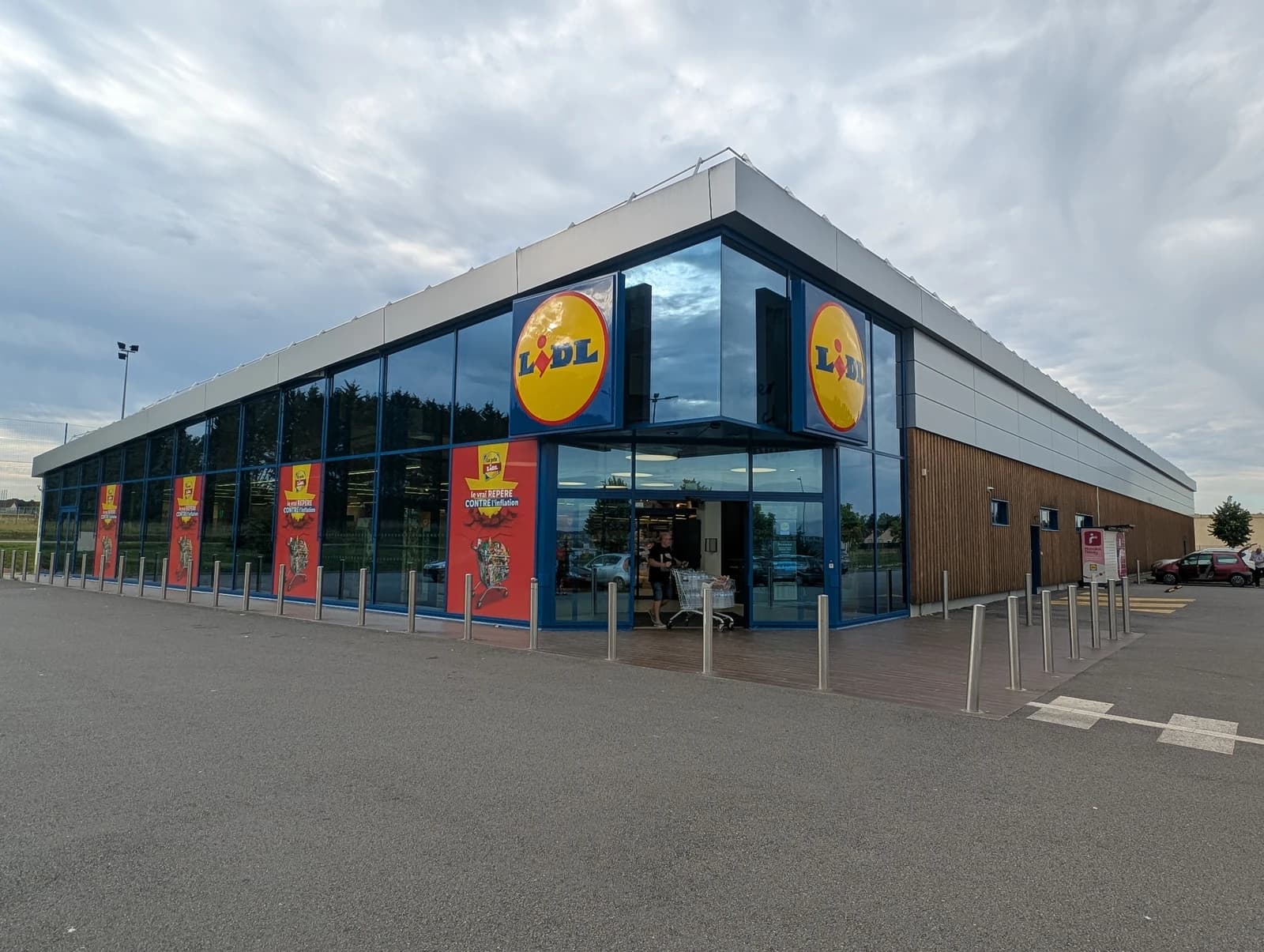
Lidl has launched a fresh round of markdowns across hundreds of Parkside and Silvercrest products, underscoring how aggressively value retailers are leaning on private-label discounts to keep traffic moving in a still-price-sensitive market.
Lidl cuts prices on Parkside and Silvercrest goods
The promotions, which started at 8 a.m. this morning, cover a wide range of tools, home appliances and household items sold under Lidl’s two best-known own brands. For consumers, the appeal is obvious: Parkside power tools and Silvercrest kitchen and home devices are being offered at prices that sit well below their normal shelf levels, with some items cut by double-digit percentages.
For Lidl, the campaign is about more than clearing inventory. Private-label brands are central to the German discounter’s model because they help preserve margins, differentiate the chain from rivals and give shoppers a reason to choose its stores over other low-cost operators. Heavy discounting on Parkside and Silvercrest can also be read as an effort to defend volume in categories where bigger-ticket purchases have been delayed by cautious households.
Among the highlighted deals, Lidl is offering a 40V cordless electric blower/shredder for 39.99 euros, down from 49.99 euros, a cordless 12V random-orbital sander or vibrating sander for 39.99 euros, and a 20V cordless edger for 29.99 euros. On the Silvercrest side, a 4.8-litre cast-iron casserole dish is priced at 27.99 euros, a 500-watt electric milk frother at 14.99 euros and a stainless-steel insulated mug at 7.99 euros.
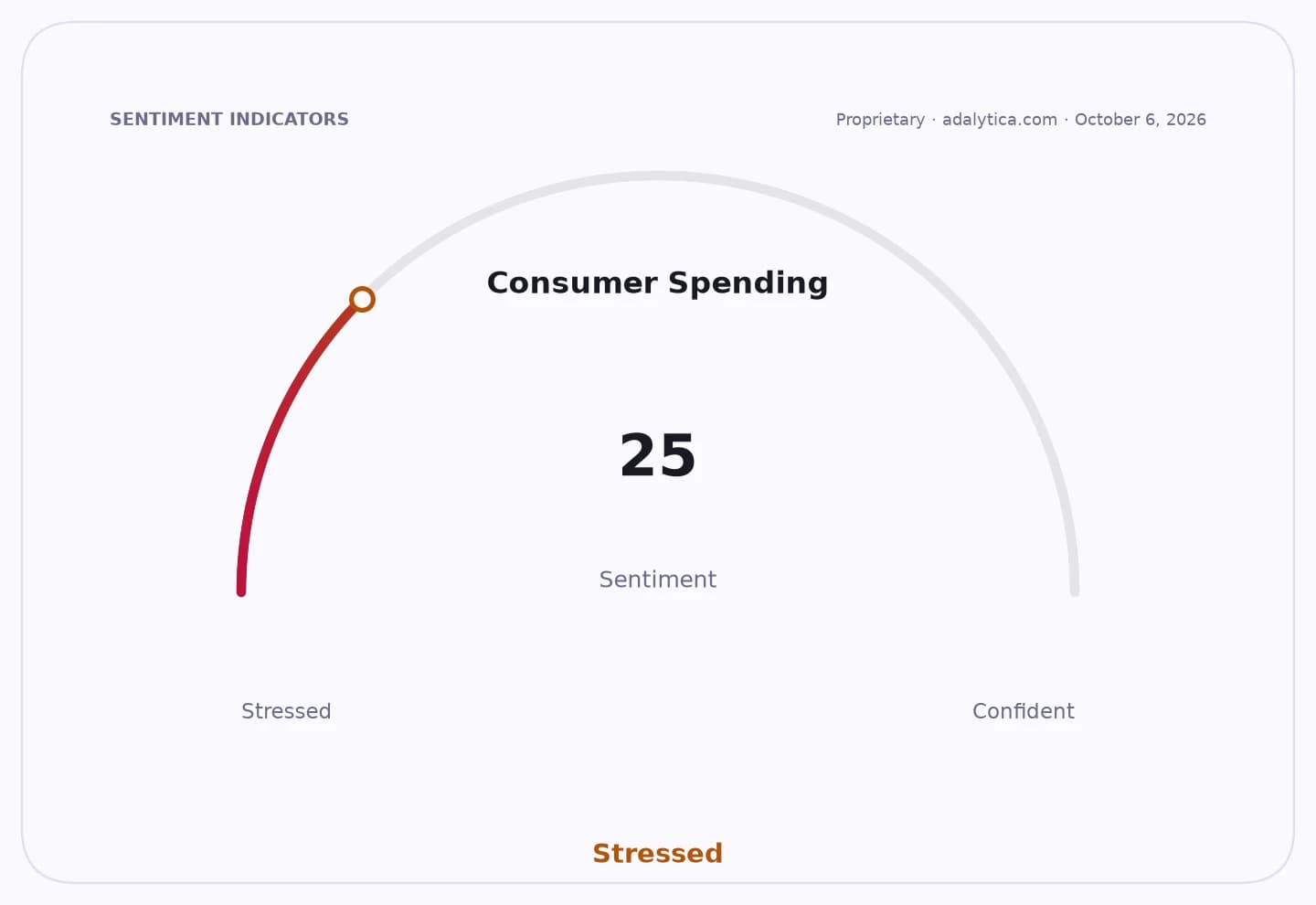
The timing matters because discount-driven retail campaigns remain a key indicator of consumer demand at the lower end of the market. When chains such as Lidl lean into sharp price cuts, it often reflects a mix of seasonal inventory management, intense competition and a broader consumer focus on essentials and affordability rather than premium goods.
That makes the offer attractive not only to bargain hunters but also to investors tracking the resilience of the discount grocery and general merchandise sector. Aldi, Lidl and other value-led retailers have continued to take share from traditional grocers by combining aggressive pricing with increasingly broad non-food ranges. The downside is that sustained markdowns can pressure gross margins if they are not offset by higher volume or supplier terms.
The Parkside and Silvercrest brands are also strategically important because they function as Lidl’s answer to branded goods, giving the chain more pricing power and tighter control over assortment. Parkside, which Lidl says is celebrating its 30th anniversary, has built a following among DIY shoppers, while Silvercrest has become a staple for low-cost kitchen and household appliances.
For investors, the broader takeaway is that value retail remains underpinned by a consumer base that is still looking for relief on discretionary and semi-discretionary purchases. If these promotions succeed in driving traffic and basket size, they support the case for discounters to keep gaining market share. If they merely deepen reliance on markdowns, they point to a tougher margin backdrop ahead.
| Entity | Gains | Losses |
|---|---|---|
| Lidl | ▲Higher traffic, inventory turnover | ▼Margin pressure from markdowns |
| Bargain shoppers | ▲Lower prices on own-brand goods | ▼Fewer full-price options |
| Rival grocers | ▲Less likely to win price-sensitive customers | ▼Share loss to discounters |
| Suppliers/brands | ▲Better sell-through at volume | ▼Weaker pricing power |