Lithuanian lawmakers are proposing to let employers pay a tax-advantaged annual bonus of up to one average monthly wage, a move that would effectively create a 13th salary and could reshape pay practices if the Seimas approves the plan.
Lithuania Tax-Advantaged Bonus Bill for 13th Salary

The bill, registered by Karolis Neimantas of the Nemuno aušra faction with several other MPs, would allow the annual incentive to be paid once a year in December or January and exempt it from additional employer taxes, as well as from employees’ health and social insurance contributions, so long as the payment stays below two average wages from the previous quarter.
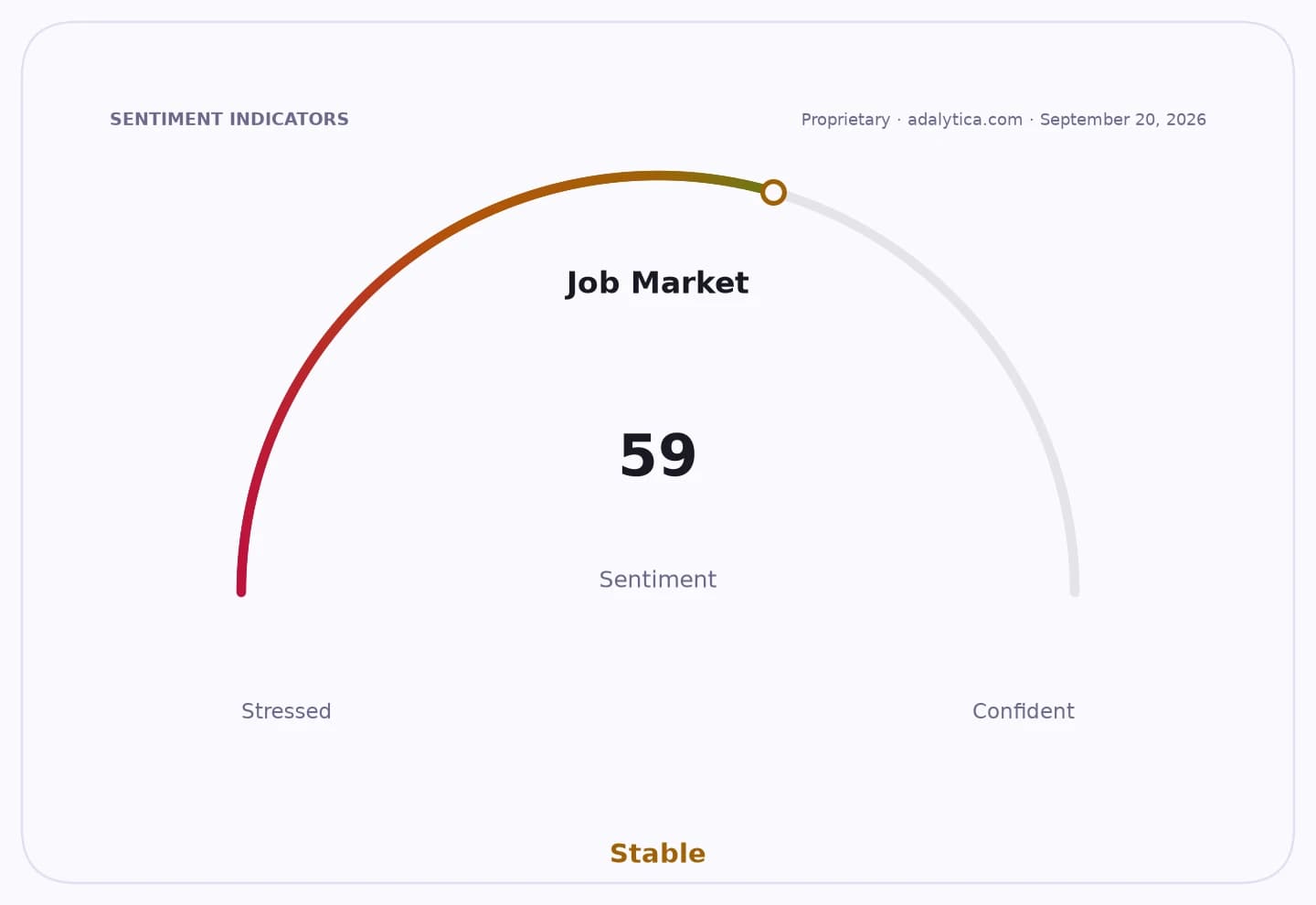
Sentiment IndicatorsⓘProprietary · adalytica.com · September 8, 2026
This is a snapshot — live sentiment, awareness and momentum for 130+ markets update continuously in the dashboard.Open AlphaPulse
For companies, the measure is designed to be optional rather than a legal obligation to share profits, giving employers room to use the bonus as a retention and motivation tool. The lawmakers argue that tying a year-end payment to performance could keep workers from leaving, lift productivity and improve results without forcing firms into a formal profit-sharing regime.
The proposal comes at a time when labor markets remain relatively tight. Lithuania’s unemployment rate was 4.1% in August, near forecast levels, while nonfarm employment stood at 159,075 in the same month, underscoring the pressure on employers to compete for staff even as hiring remains steady.
That matters for investors because any broadening of tax-favored pay could affect labor costs and consumer spending. Retailers, consumer-facing groups and other labor-intensive businesses would gain a potentially more flexible compensation tool, while workers could see an extra cash payout at the end of the year that may support holiday spending.
The policy also fits a wider European pattern. The bill’s sponsors point to countries including Italy and Belgium, where 13th salary-style bonuses are common, and to Spain and Portugal, where a 14th salary is also widespread, while France uses such payments through collective agreements.
If passed, the new rules would take effect on Jan. 1, 2027, giving employers time to adjust internal pay policies before the scheme becomes available. The main question for markets now is whether lawmakers see the plan as a competitiveness measure or as an unwanted tax break for companies.
| Entity | Gains | Losses |
|---|---|---|
| Employers | ▲Flexible retention tool | ▼Higher payroll commitments |
| Workers | ▲Tax-free year-end bonus | ▼No guaranteed payment |
| Retailers/consumer firms | ▲Potential spending boost | ▼Margin pressure from incentives |
| State budget | ▲Possible formalized pay compliance | ▼Forgone tax and contribution revenue |