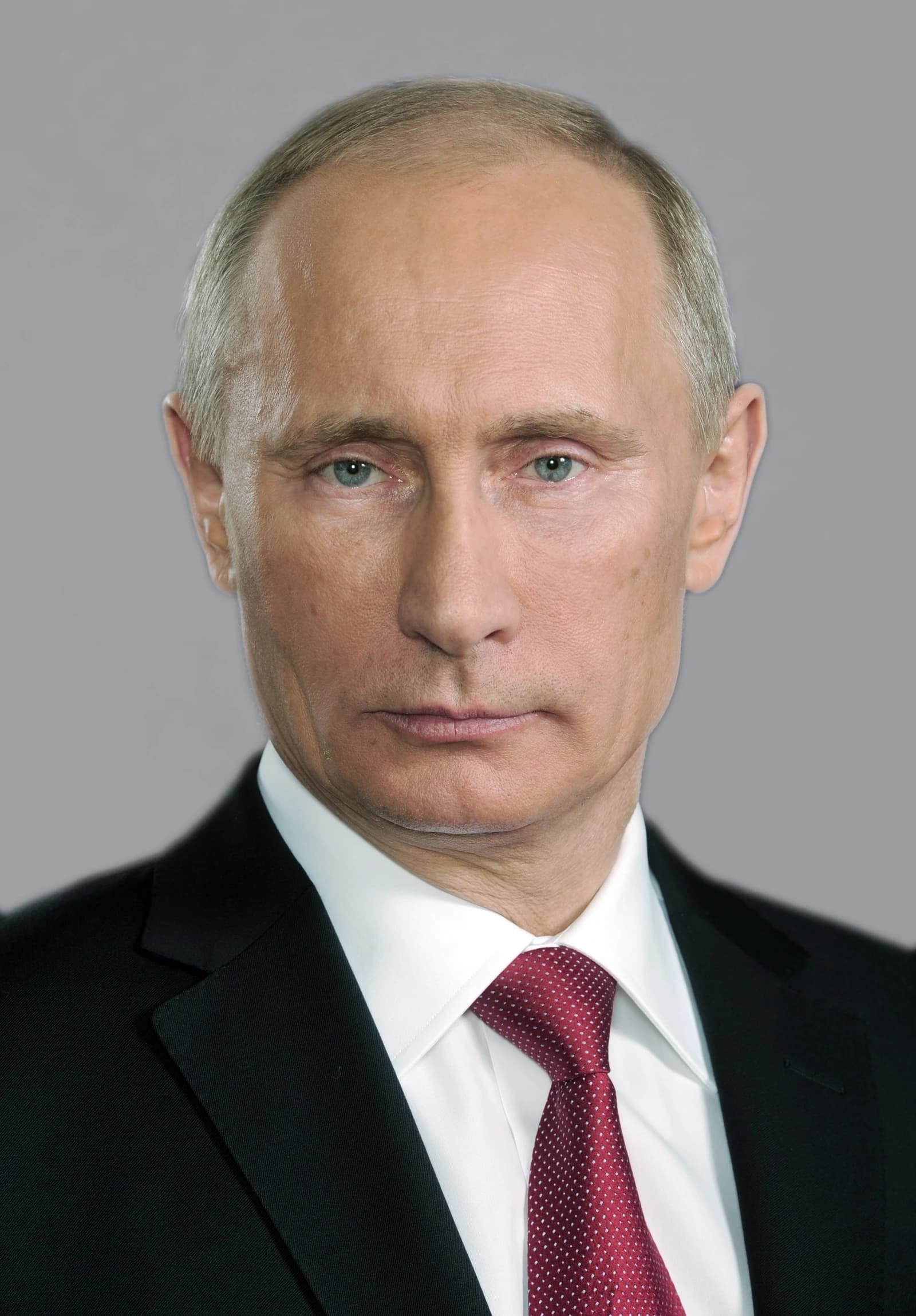
Putin’s push to build an “eastern rampart” around Russia is reinforcing the most durable investment theme in Europe right now: defense spending is no longer cyclical, it is structural.
Lockheed Martin Rises on Defense Spending
That matters because the Kremlin is not just fighting a war in Ukraine; it is reorganizing military logistics, hardening its air defenses and signaling a longer confrontation with the West. The result is a fresh pressure point on European security planners already scrambling to counter missile and drone threats, and a steady bid underneath defense contractors, air-defense systems and the broader military supply chain.

The market is beginning to price that in. Lockheed Martin has surged from about $492 in late June to nearly $598, while the iShares U.S. Aerospace & Defense ETF has climbed to $249.69 from $224.71 over the same stretch. Both remain well above their 50-day and 200-day moving averages, a sign that investors are still willing to pay for visibility even after the latest pullback. Lockheed’s RSI has cooled from overbought levels to 58.0, suggesting the stock has room to run if the next wave of orders and budget commitments lands.
The bigger point is that Russia’s militarization is not creating a one-off trading event. It is extending the runway for procurement across the NATO perimeter, from missile defense to electronic warfare, munitions, surveillance and command-and-control. Ukraine’s repeated calls for more air-defense help, together with Europe’s exposed anti-drone posture, point to an investment cycle that can last years, not quarters.

That is why the “eastern rampart” story matters for investors. It shifts capital toward the companies that sell the toll roads of modern conflict: Patriots, interceptors, radar, satellites, secure communications and the industrial capacity to replenish them. Lockheed is the obvious beneficiary, but the broader trade also favors names tied to European rearmament, missile defense and supply-chain bottlenecks that can keep margins and backlog elevated.
The market still underestimates how quickly geopolitics can become capex. If Russia keeps deepening its defensive posture and the West answers with more air-defense spending, defense equities should remain one of the cleanest secular winners in the market. For investors, the message is simple: stay positioned early in the defense infrastructure trade, because this rampart is being built with real money and it is likely to keep flowing.
| Entity | Gains | Losses |
|---|---|---|
| Lockheed Martin | ▲Higher missile-defense demand | ▼Budget pressure if delays hit |
| ITA ETF | ▲Broad defense inflows | ▼Near-term overbought risk |
| NATO air-defense suppliers | ▲Multi-year procurement cycle | ▼Peace dividend trade |
| Russia | ▲Strategic deterrence posture | ▼Sanctions and arms race costs |