Luckin Coffee’s attempted entry into Taiwan matters less as a coffee-shop opening than as a test of how far Chinese consumer brands can move across the Taiwan Strait before politics steps in.
Luckin Coffee Taiwan Entry Faces Review

Taiwan’s economy ministry has said any investment tied to Luckin must be filed for direct review, after local media reported the Chinese coffee giant was preparing its first store in Taipei’s busy Nanjing Fuxing district through a company called Ruiyi Holdings. For investors, that is the key issue: the island is not treating this as a routine franchise launch, but as a potential case of Chinese capital trying to enter by way of a locally registered shell.
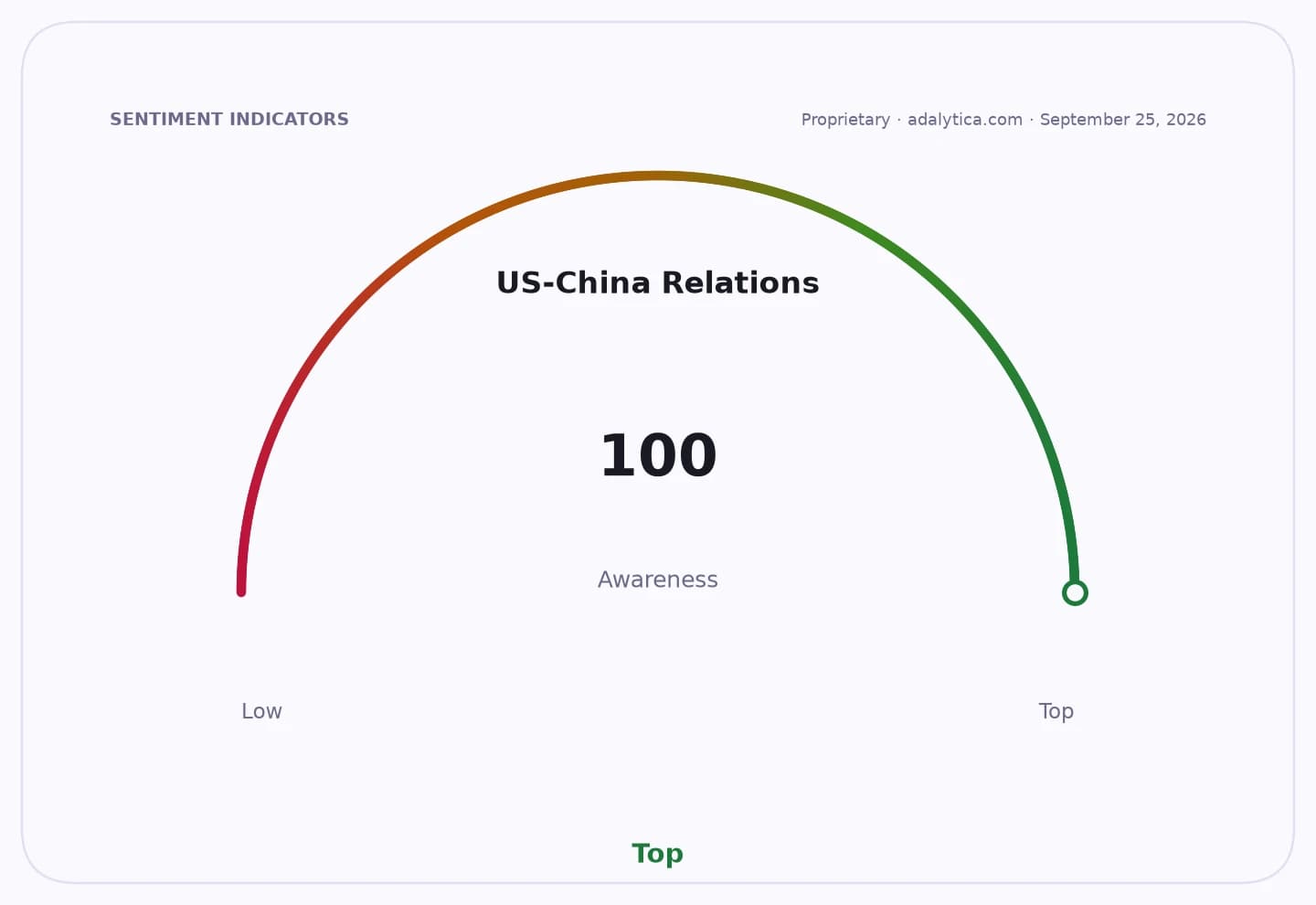
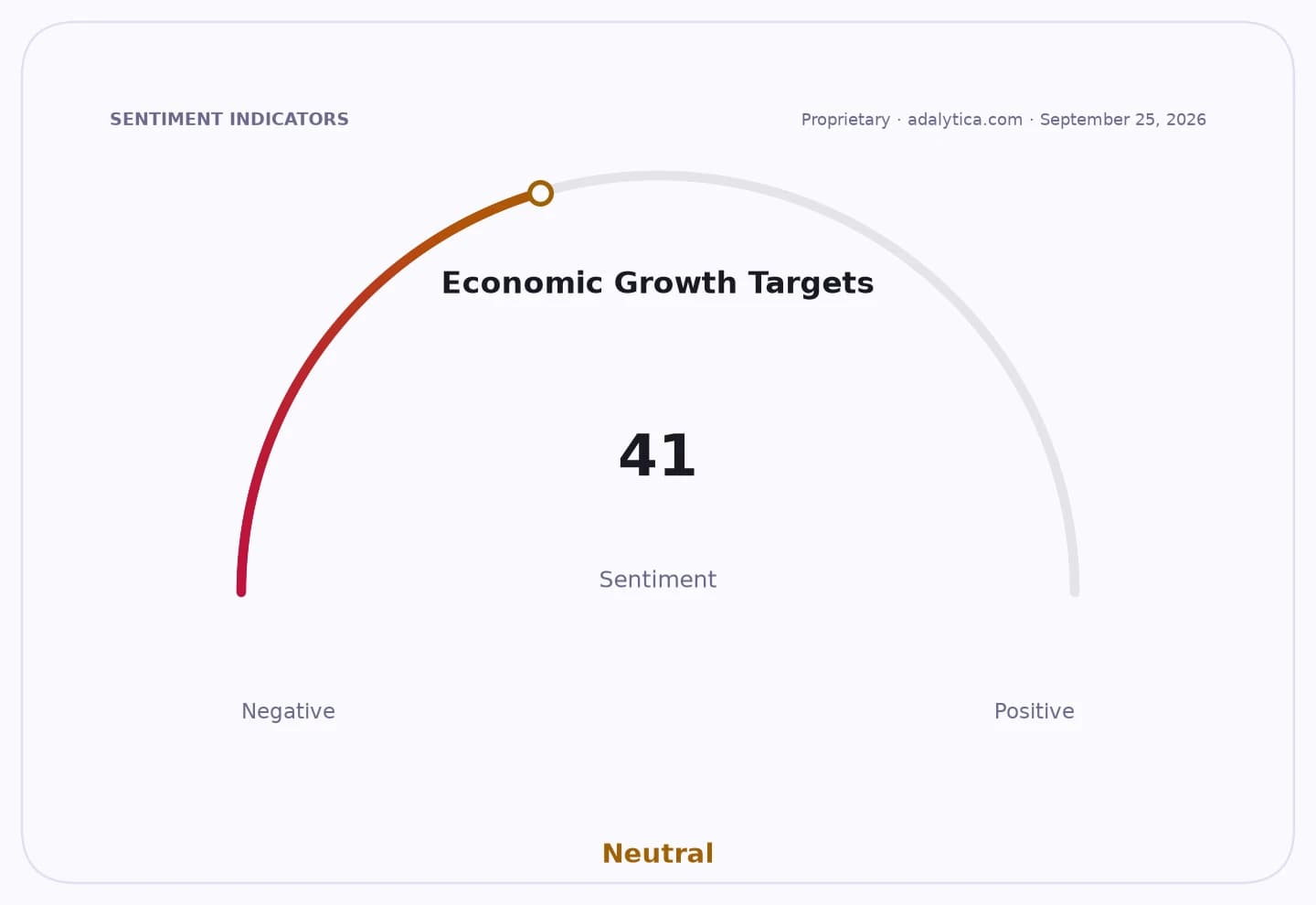
Sentiment IndicatorsⓘProprietary · adalytica.com · September 13, 2026
This is a snapshot — live sentiment, awareness and momentum for 130+ markets update continuously in the dashboard.Open AlphaPulse

That distinction matters economically because Taiwan is signaling it will police ownership, funding and control more aggressively when a mainland brand tries to expand through a local vehicle. Ruiyi Holdings is registered in Taiwan with capital of just NT$5 million, or about $154,000, but officials are examining whether it is really independent from Luckin’s supply chain and whether its structure conceals mainland involvement. In other words, the gatekeeper risk is now part of doing business.
For Luckin, the world’s largest coffee chain by stores in China, the prize is symbolic as much as financial. Taiwan is a relatively small market, but a successful launch would have given the brand a rare cross-strait foothold and a fresh growth narrative outside its crowded home market. Instead, the company faces delays, higher legal and compliance costs, and the possibility that its planned rollout stalls before the first latte is sold.
The timing also reflects a broader economic and geopolitical backdrop. Cross-strait tensions remain elevated, and Taiwan’s authorities are increasingly wary of investment channels that could blur the line between commercial expansion and Chinese influence. That is why the ministry’s move to require investment-review approval is more important than the store location itself: it raises the bar for any mainland-linked consumer brand hoping to expand into Taiwan.
Markets have already shown that Luckin remains a volatile name, but not an uninvestable one. The ADR has traded around $34.64 recently, with its 50-day moving average near $34.00 and the 200-day average around $33.80, suggesting the stock is hovering close to its longer-term trend even as momentum has softened. For long-term investors, that means the Taiwan story is unlikely to change the core thesis on its own, but it does reinforce a familiar truth: Luckin’s growth path will continue to depend on execution in China and on its ability to navigate regulatory friction abroad.
Starbucks and other coffee rivals also have reason to watch closely. Any added friction for Luckin in Taiwan makes it harder for the Chinese challenger to export its scale playbook, while established global brands may benefit if Taiwan keeps barriers high for mainland entrants. Still, this is bigger than one opening or one market. It is a reminder that in Asia’s consumer sector, geopolitics can shape expansion plans as much as menus, pricing or brand recognition.
For investors, the takeaway is simple: Luckin remains a powerful operating story, but political risk is part of the valuation. If you own the stock, this looks more like a headline to monitor than a thesis breaker. If you are building a long-term portfolio, the better move is to treat cross-border expansion risks as one more reason to diversify and hold names like this with patience, not urgency.
| Entity | Gains | Losses |
|---|---|---|
| Taiwan regulators | ▲Stronger oversight | ▼Faster market entry |
| Luckin Coffee / Ruiyi Holdings | ▲Potential brand expansion | ▼First-mover timing |
| Starbucks and other rivals | ▲Reduced mainland competition | ▼None directly |
| Investors | ▲Clearer risk pricing | ▼Near-term growth hopes |