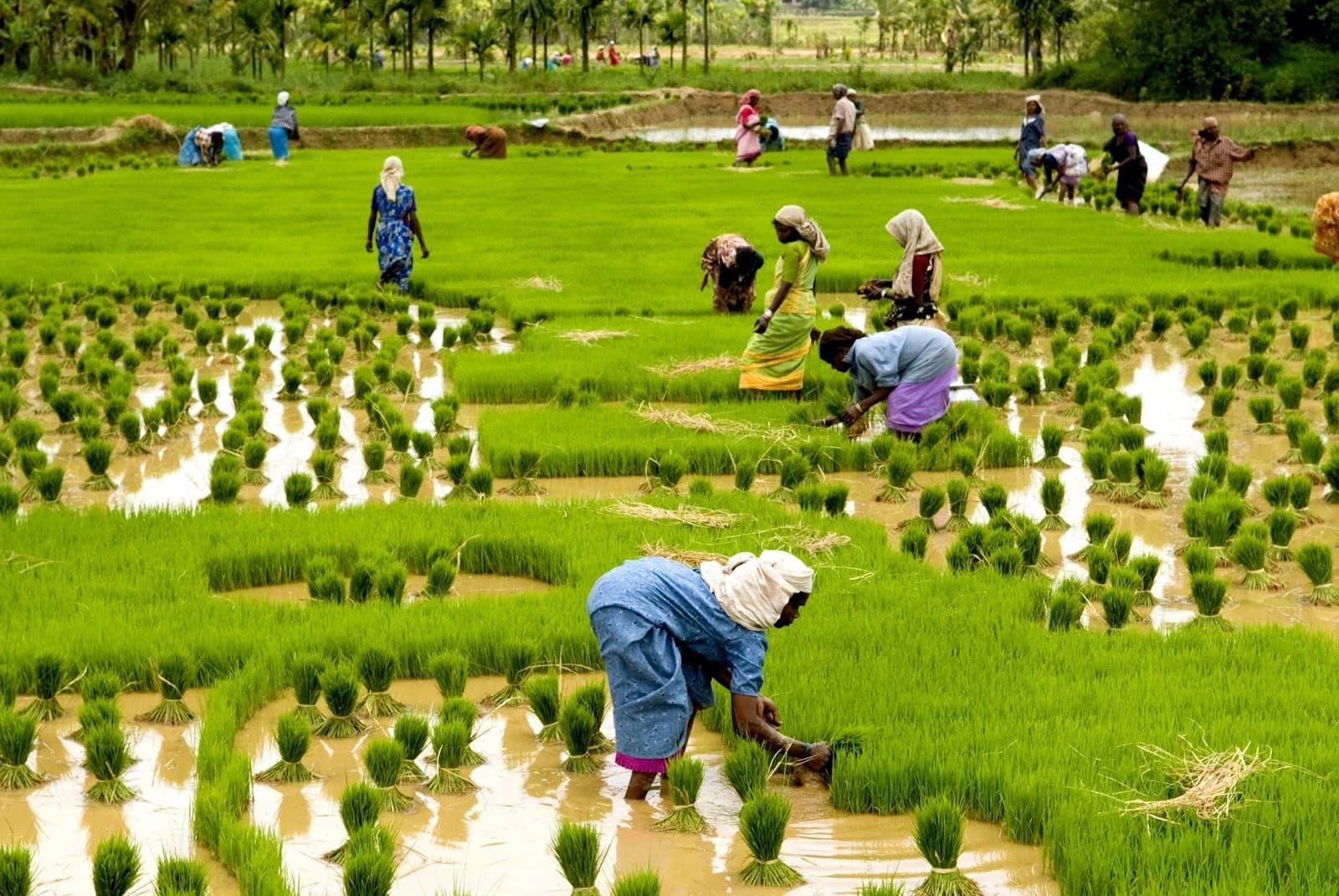
Cotton fields in Chhatrapati Sambhajinagar have dried up after months without rain, worsening a broader drought squeeze on Maharashtra farmers and raising fresh pressure on the state to extend aid before losses spread into the rabi season.
Maharashtra cotton crops dry up in drought
The immediate economic hit is on farm incomes in one of India’s key cotton-growing belts. In Gidhada village, crops planted four months ago have withered, while farmers say the upcoming rabi season is also at risk if moisture conditions do not improve.
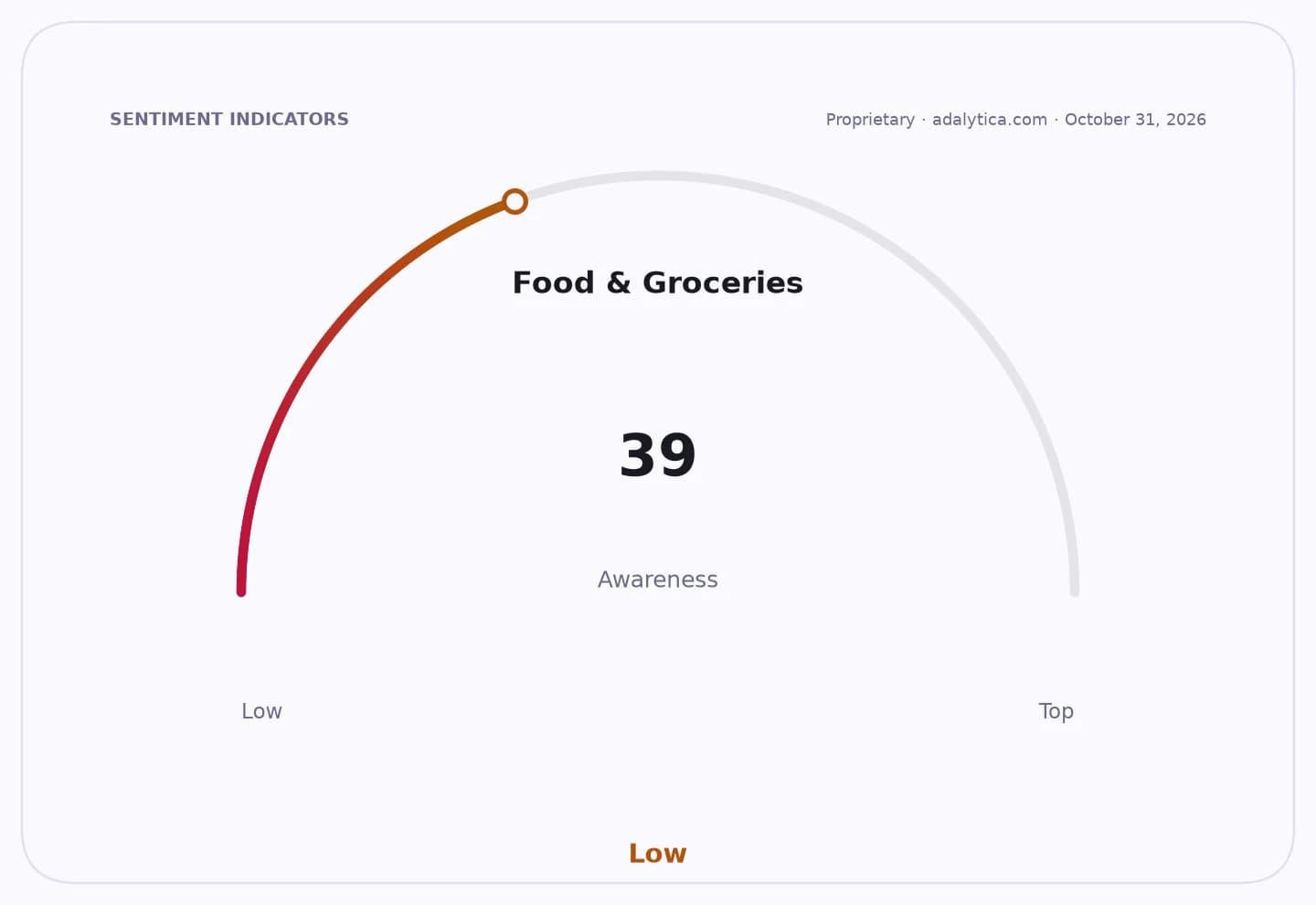
Sentiment Indicators
Growers are demanding compensation of 50,000 rupees per hectare, a sign that the damage is no longer limited to a single harvest but is beginning to threaten household cash flow, debt repayment and seasonal planting decisions. For an agriculture-heavy district, that means weaker rural spending, more stress on informal credit and a higher risk of distress sales or loan defaults.
The drought is also feeding into a wider political and social flashpoint across Maharashtra. Opposition leaders are pressing for relief, while reports from other districts show similar crop damage, migration and even farmer suicides linked to crop failure and debt pressure.
Cotton matters beyond the village economy because it feeds India’s textile supply chain, from ginners and traders to yarn mills and apparel makers. A prolonged regional drought can tighten local supply, lift procurement risk and add volatility to farmgate prices, even if national output is less immediately affected.
The next catalyst is rainfall, but for farmers in Chhatrapati Sambhajinagar, the more important test is government response: compensation, water management and whether relief reaches the field before the dry spell becomes a longer-term production shock.
| Entity | Gains | Losses |
|---|---|---|
| Chhatrapati Sambhajinagar farmers | ▲Relief aid hopes | ▼Cotton and income |
| Maharashtra government | ▲Chance to respond | ▼Political pressure |
| Cotton buyers/textile mills | ▲Potential policy support | ▼Supply uncertainty |
| Rural lenders | ▲Higher demand for restructuring | ▼Rising default risk |