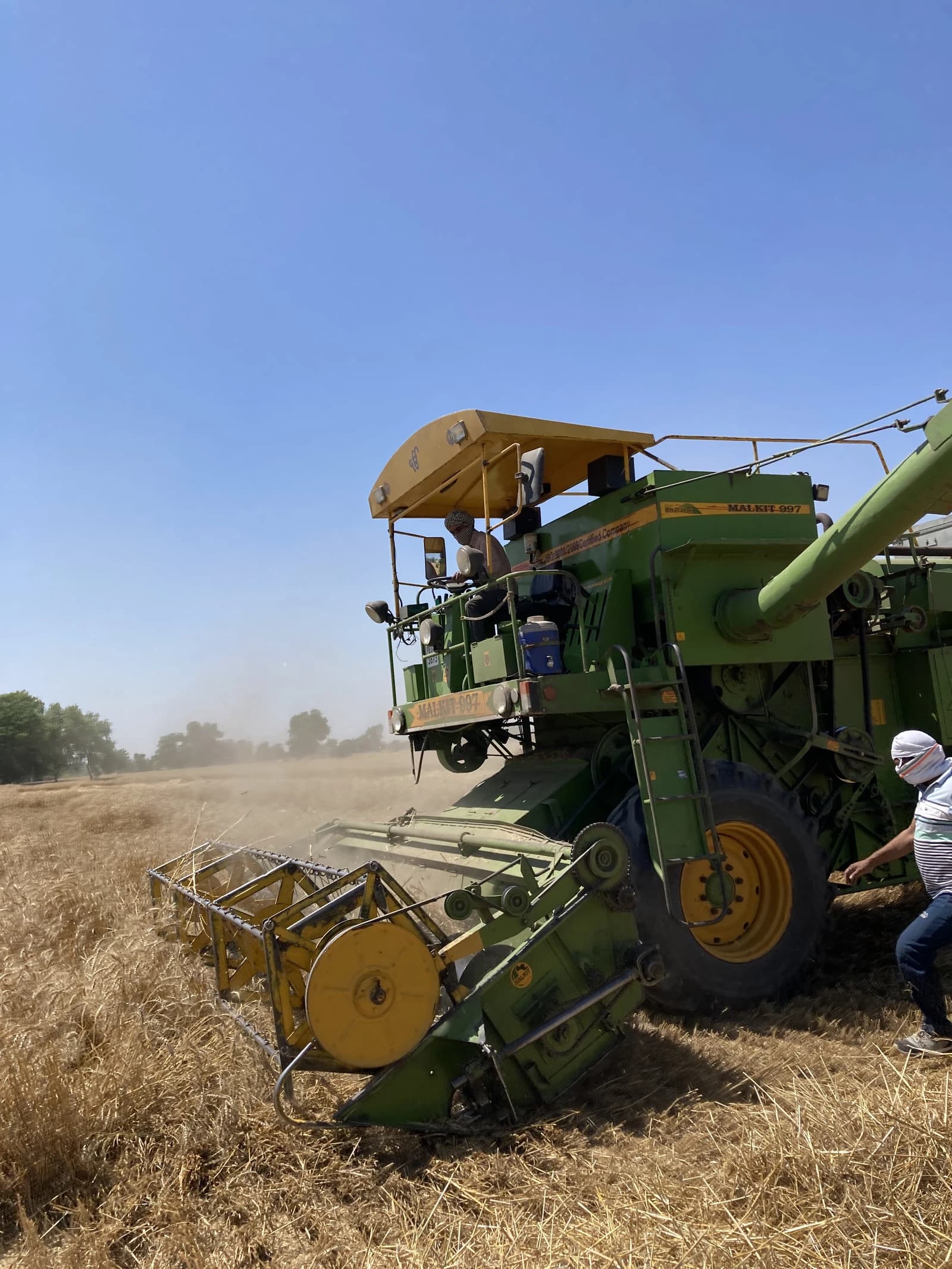
A new cotton buying center has opened in Degalamadugu in Telangana’s Bhadradri Kothagudem district, giving local farmers a formal procurement channel just as the crop faces wider pressure from volatile prices, rising input costs and shifting weather patterns.
Telangana cotton buying center opens in Degalamadugu
The center, run under the Cotton Corporation of India at the Manjeet Cotton Mill in Sujatanagar mandal, was inaugurated on Friday by local agriculture market officials and political representatives. For growers in the region, the immediate significance is practical: a nearby state-linked buyer can reduce transport costs, cut dependence on middlemen and improve the odds that farmers receive benchmark prices during peak arrival season.
Sentiment Indicators
That matters economically because cotton remains a crucial cash crop in India’s farm belt, and procurement infrastructure can shape whether farmgate prices hold up or sag under local supply gluts. The broader policy backdrop is also supportive. Authorities have been pressing to accelerate cotton seed approvals from a years-long process to about 12 months, a sign New Delhi wants to raise farm productivity and reduce the lag between innovation and adoption. At the same time, export demand for cotton yarn and textiles has been improving, helping cushion the sector after localized procurement weakness tied to adverse weather.
The opening in Degalamadugu is therefore less about a single warehouse than about the state’s effort to keep the cotton supply chain functioning in a year when farm incomes remain vulnerable to crop damage, quality issues and uneven access to buyers. If the center operates smoothly, it could stabilize prices locally and give farmers more bargaining power at a time when inflation in broader farm inputs has left many producers squeezed.
For investors, the immediate read-through is modest but real. Better procurement can support raw-cotton availability for mills, smooth working capital cycles across the textile chain and reduce volatility in local supply. It also reinforces the case that India’s cotton market is becoming more policy-managed, not less, with government agencies and market committees playing a larger role in price discovery.
The main risk is execution. Buying centers only help if payments are timely, grading is transparent and procurement volumes are sufficient. If not, farmers will continue to route crop through informal channels, limiting the center’s impact. Still, the opening points to a constructive shift: India is trying to strengthen the weakest link in cotton economics, the point where farmers first convert a harvest into cash.
| Entity | Gains | Losses |
|---|---|---|
| Cotton farmers in Degalamadugu | ▲Easier local sales | ▼Transport and bargaining frictions |
| Cotton Corporation of India | ▲Stronger procurement reach | ▼Higher operating responsibility |
| Local mills and textile buyers | ▲More organized supply flow | ▼Less pricing flexibility |
| Middlemen and informal traders | ▲— | ▼Smaller role in procurement |