Malawi’s inflation is easing on paper, but the drop has not yet translated into cheaper living for households squeezed by still-elevated food, fuel and utility costs.
Malawi inflation eases as food and fuel costs stay high
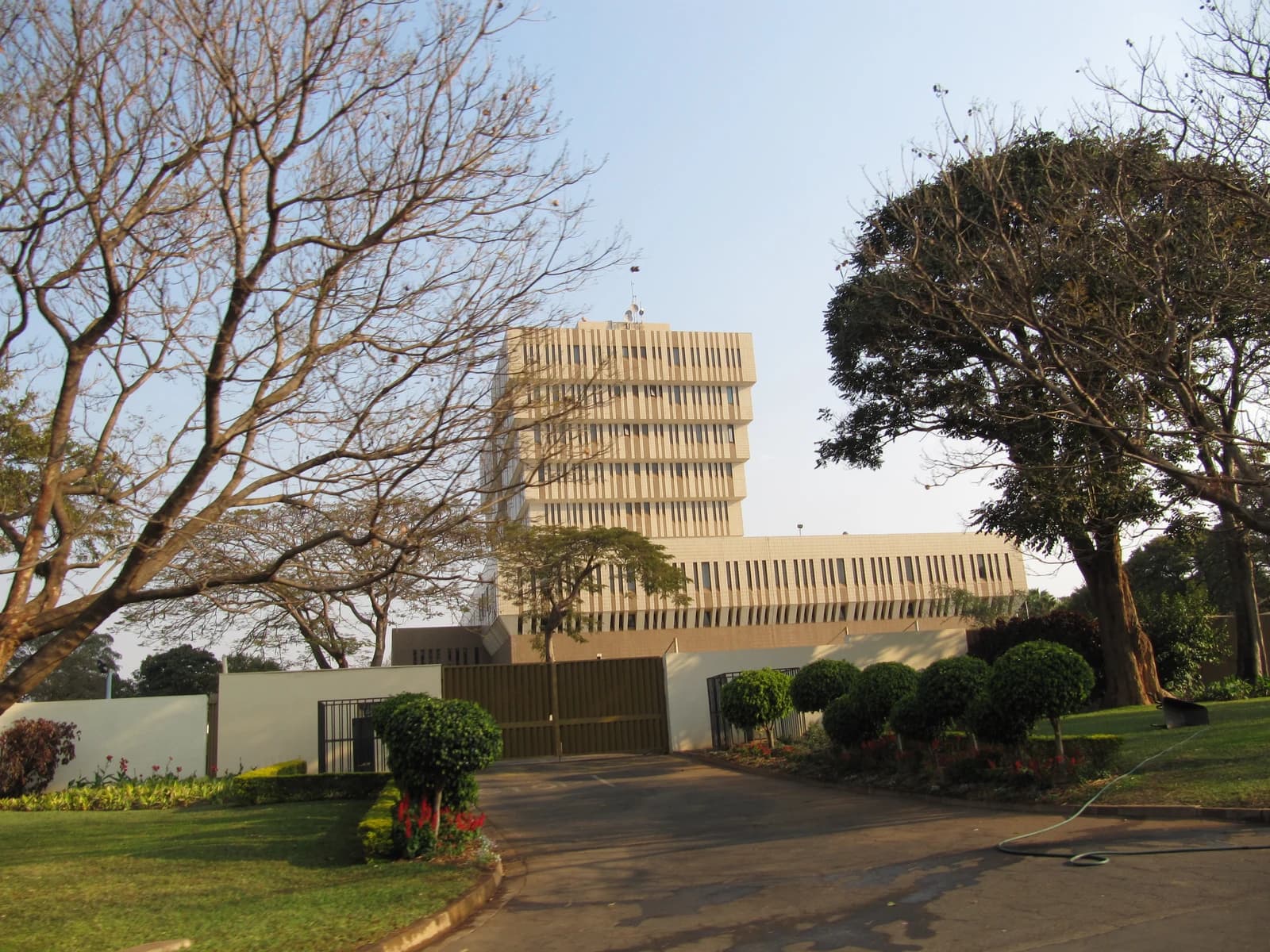
The National Advocacy Platform said headline inflation fell to 20% in August 2026 from 28.2% a year earlier, while food inflation slowed to 13.4%. Even so, it said non-food inflation remained far higher at 31.8%, leaving many families unable to feel any real improvement in purchasing power.
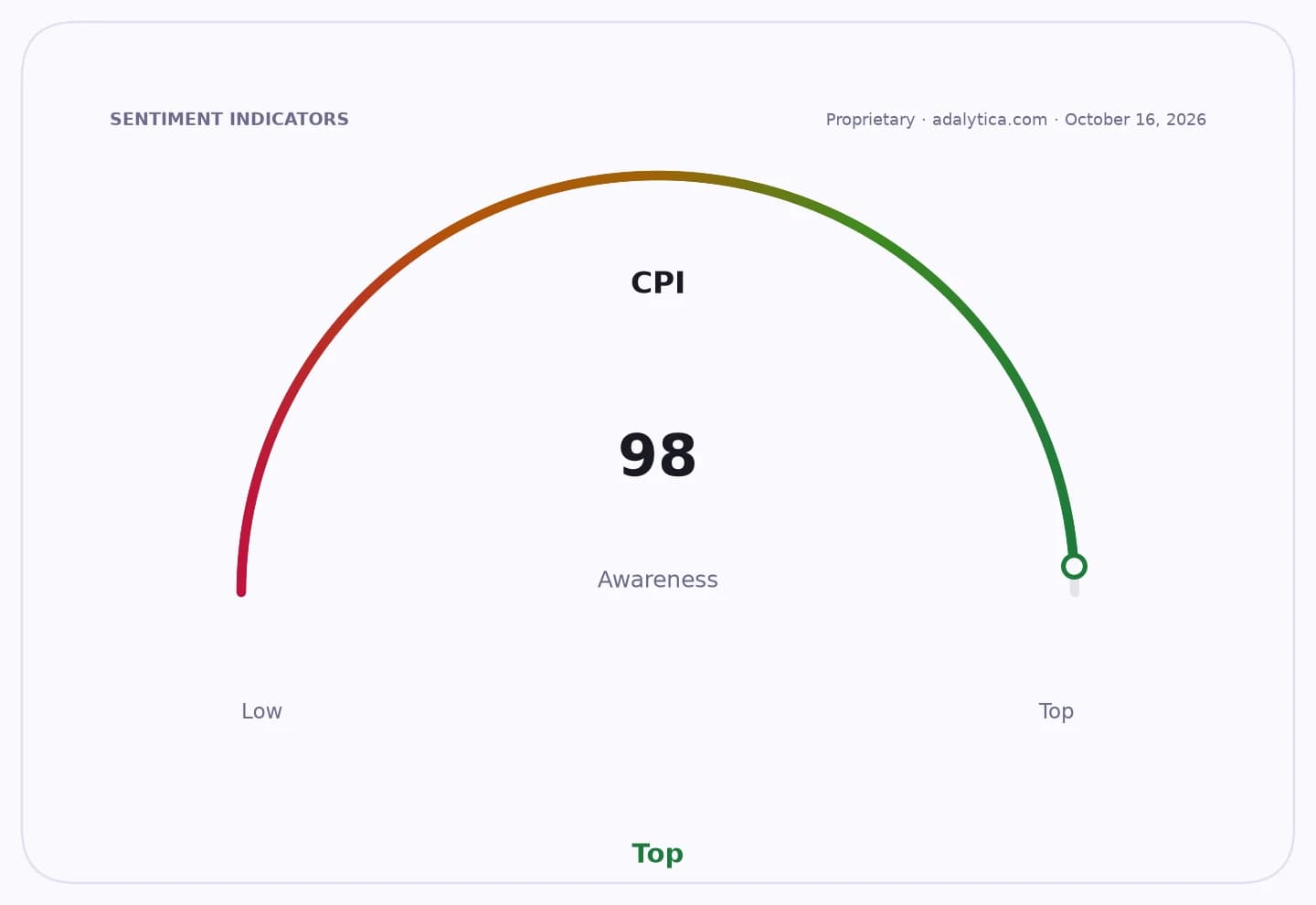
Sentiment IndicatorsⓘProprietary · adalytica.com · October 9, 2026
This is a snapshot — live sentiment, awareness and momentum for 130+ markets update continuously in the dashboard.Open AlphaPulse
That gap matters for the economy because falling headline inflation can mask persistent pressure in the items that shape daily life, from transport and energy to school fees and basic household goods. NAP said the administration’s second year should be judged less by the stabilization of price growth and more by whether Malawians can buy more, find work and spend less on essentials.
The group’s warning lands at a sensitive moment for President Arthur Peter Mutharika’s government, which inherited an economy strained by high inflation, debt, forex shortages, food insecurity and unreliable power. NAP said the first year of the administration brought some progress, including better maize availability, expanded free secondary education, more development financing and road repairs.
But it said the recovery is still incomplete because shortages of foreign exchange and weak energy supply continue to restrain business activity and investment. For companies, that means higher operating costs, disrupted production and limited room to pass on price relief even as the inflation rate slows.
For investors and lenders, the report suggests Malawi’s stabilization story is still fragile. Lower inflation can support policy credibility and eventually ease pressure on rates and the currency, but only if it is matched by stronger incomes, more jobs and a reliable flow of imports, power and fuel.
NAP said the government should aim to cut non-food inflation below 25% by the second quarter of 2027, while boosting household purchasing power. The bigger test, it said, is whether the economy becomes visibly cheaper and more predictable for ordinary Malawians, not just statistically calmer.
| Entity | Gains | Losses |
|---|---|---|
| Malawian households | ▲Slower headline inflation | ▼Still-high living costs |
| Mutharika government | ▲Better stabilization optics | ▼Pressure to show real gains |
| Businesses | ▲Potentially steadier pricing | ▼Forex and power shortages |
| Consumers of essentials | ▲Slower food inflation | ▼High non-food prices |